
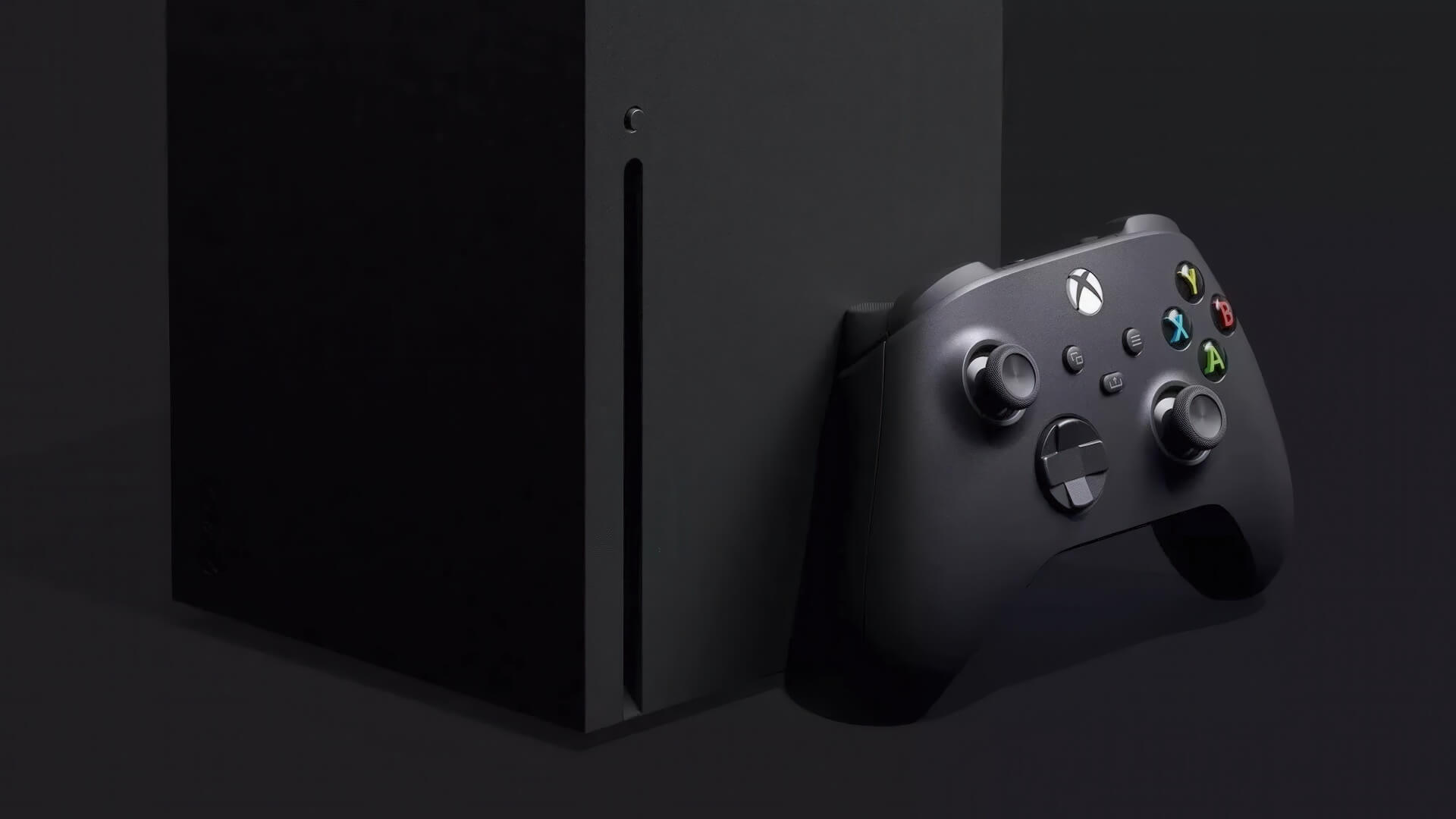
Microsoft has recently reaffirmed its commitment to the console market following a series of setbacks that left the long-term future of the Xbox brand in question. For years, rumors have suggested that the company's next-generation hardware would merge elements of Xbox and Windows. Now, new details continue to leak, further reinforcing this direction. According to rumors, the next Xbox console will have access to all Windows software and support all existing games on the Xbox Series console. This information aligns with previous rumors regarding a radical strategic shift from Microsoft.
Sources familiar with the project recently told Windows Central and Digital Foundry that the Asus ROG Ally - sold under the Xbox brand in some regions - is essentially a user experience preview for the next Xbox. This handheld gaming PC allows users to launch titles from various stores through a controller-friendly interface without needing to load the standard Windows desktop.
New Xbox User Experience and Backward Compatibility
Xbox President Sarah Bond has described the new console as a "premium, curated experience." This could imply a storefront featuring games specifically optimized for the hardware - similar to Steam's "Great on Deck" collection for the Steam Deck. However, initial feedback from ROG Ally owners suggests that Microsoft still has much work to do before Windows provides a seamless feel like a traditional console interface or even SteamOS.
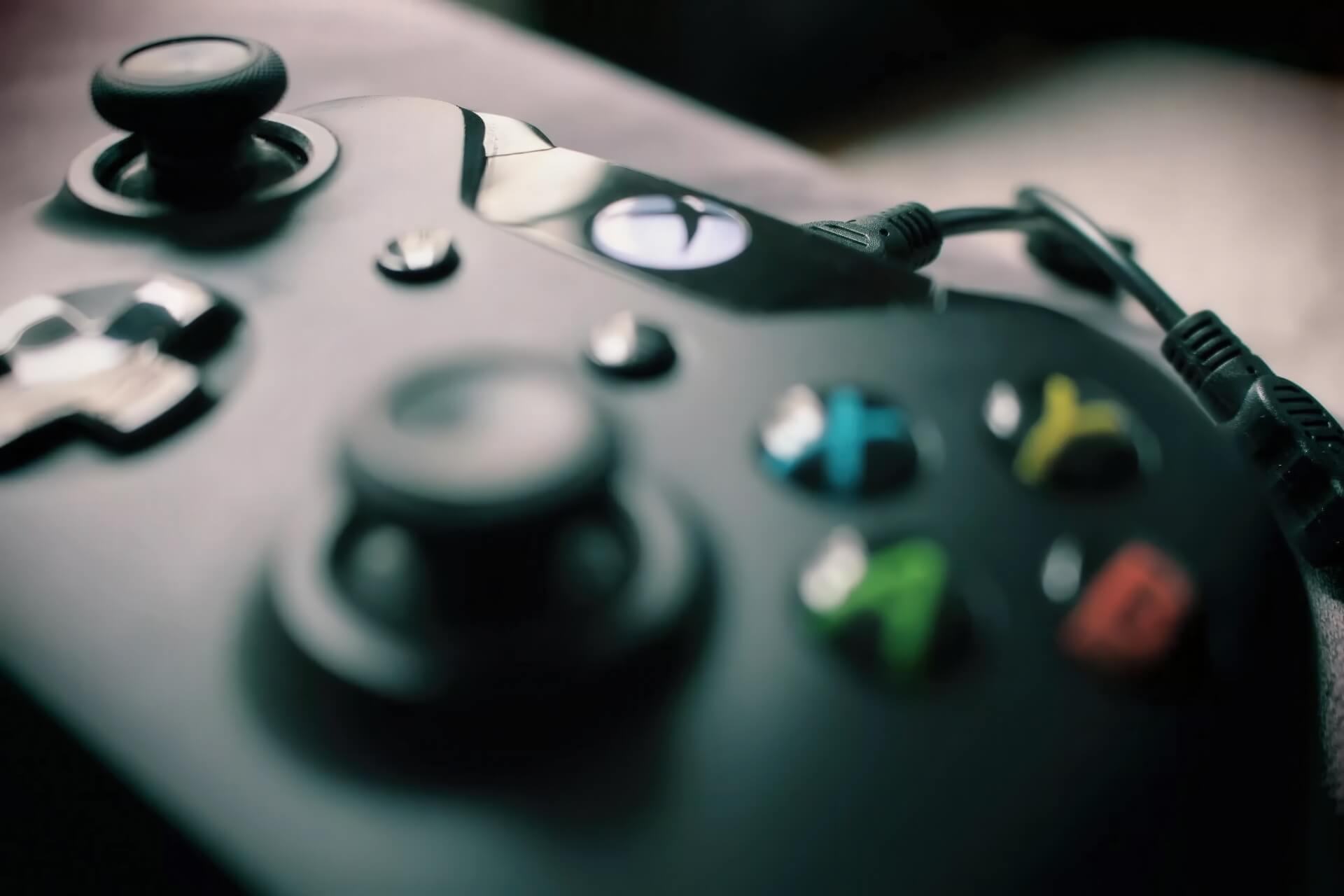
The company is currently refining Windows for use on handheld and living room devices, minimizing performance overhead, and creating a boot process similar to Xbox consoles. Unlike the portable ROG Ally, the next-generation Xbox will natively run all Xbox Series titles, including backward-compatible games from Xbox One, Xbox 360, and the original Xbox, without requiring cloud streaming. Microsoft also plans to integrate Auto Super Resolution and frame generation technology to enhance the quality of older titles.
Powerful Performance and Free Online Multiplayer Issues
Since online multiplayer on Windows has traditionally been free, adopting a Windows-based platform will likely eliminate the Xbox subscription paywall for online play. What this means for Game Pass - especially PC Game Pass - remains unknown. If multiplayer becomes free, the value of Game Pass might be restructured to focus on its massive game library rather than basic online features.
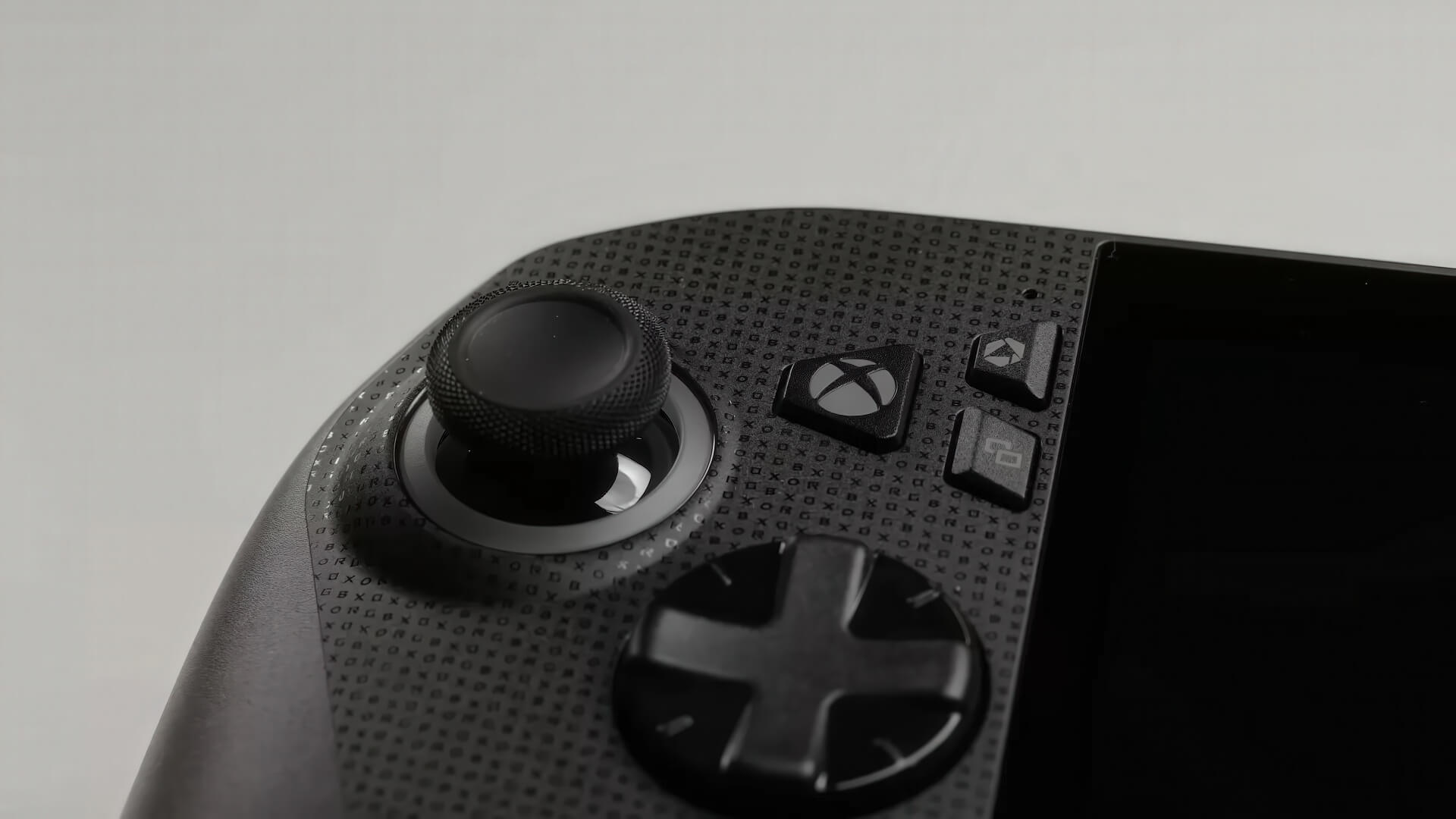
Previous reports suggest that the next Xbox will use an AMD APU codenamed "Magnus." Initial specifications indicate a 10-core design, positioning its performance significantly above Sony's PlayStation 6. However, this could also potentially increase production costs and the console's retail price. AMD has confirmed that they are collaborating with Microsoft on several unannounced devices.
Both Microsoft's and Sony's next-generation consoles, along with a rumored PlayStation handheld device, are expected to leverage AMD's Zen 6 CPU and RDNA 5 GPU. These architectures will bring major performance improvements in ray tracing, path tracing, and machine learning workloads. These new devices are reported to be targeting a launch window in 2027.
In summary, if these rumors are accurate, the next-generation Xbox will be an ambitious hybrid PC gaming machine, blurring the lines between consoles and computers, while bringing unprecedented flexibility and backward compatibility to users.