
In 2025, AI is driving a profound transformation at Amazon, completely changing how software engineers work, collaborate, and develop their careers. The integration of AI into the coding workflow not only accelerates software development but also poses new challenges regarding quality, workload pressure, and the career progression of programmers.
Amazon is requiring software engineers to quickly adapt to AI tools such as Microsoft Copilot and internal AI assistants. Management is continuously raising productivity goals and shortening delivery deadlines, leading many programming teams to reduce headcount by nearly 50% while the workload remains unchanged. One engineer at Amazon shared that building a website feature used to take several weeks, but now it takes only a few days, forcing them to accept AI-generated code, reduce discussion time, and rapidly move products into production.
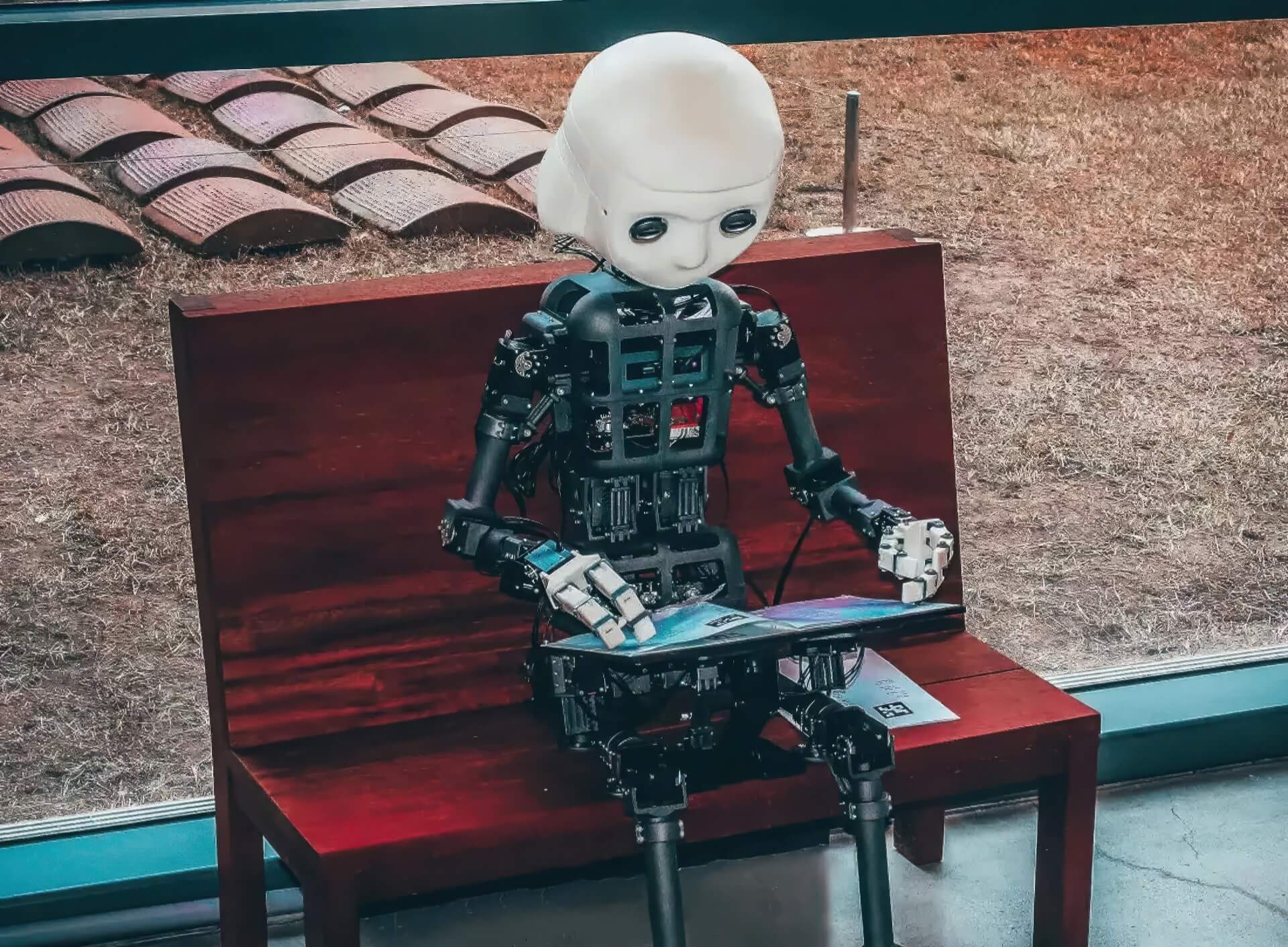
Beyond just speed, the very nature of the work is visibly changing. Programmers are shifting from creative roles to supervisory roles, validating AI-generated code. Many feel like "outsiders" in their own work, as most of their time is spent reviewing rather than writing code. The work is increasingly resembling an assembly line, where every task is broken down into "tickets," each with specific timeframes and priority levels, automatically assigned by AI and continuously monitored for performance.
The Impact of AI on Work Quality and Career Development
AI brings clear economic benefits to Amazon. CEO Andy Jassy affirmed that AI helps save massive costs, increases productivity, and "changes the paradigm" in the field of coding. The Amazon Q tool has shortened application upgrade times from 50 days to just a few hours, saving the equivalent of 4,500 development years and delivering $260 million in annual efficiency. Nearly 80% of AI-reviewed code has been deployed without needing further edits.
This trend is not limited to Amazon; it is spreading throughout the tech industry. Shopify considers AI usage a "basic expectation" when evaluating performance, while Google organizes AI hackathons and now has 30% of its code suggested by AI and accepted by programmers.

However, behind the efficiency and speed lie concerns about source code quality and the role of software engineers, especially for newcomers. Automating tasks such as writing memos and software testing causes junior engineers to lose practical learning opportunities, affecting their career paths and skill development. Although AI is designed to support rather than completely replace a programmer's skills, the pressure to achieve new performance standards makes AI almost mandatory to meet job evaluation criteria.
The Future of Software Development in the Age of AI
According to forecasts from Amazon leadership, within the next two years, many software engineers may no longer write code directly but will instead focus on understanding customer needs and building new solutions, as AI takes over most traditional programming tasks. This creates new skill requirements for programmers, ranging from creative and critical thinking to the ability to work with AI systems and analyze AI-generated results.
Nevertheless, the transition process also causes many Amazon employees to feel anxious about their career future and work quality. The Amazon Employees for Climate Justice group has become a forum for discussing the stress caused by AI-driven work, along with concerns about the long-term impact of automation on the tech industry.
Summary: AI is redefining the role of software engineers at Amazon, turning coding into an assembly line process with unprecedented speed and efficiency. However, workload pressure, the risk of skill attrition, and changes in career paths are significant challenges for both individual programmers and the entire tech industry. The lesson from Amazon shows that to fully leverage AI without losing human value, businesses need to balance efficiency, human development, and innovation.