
Microsoft Edge will no longer display annoying notifications to users to set it as the default browser on Windows - but this only applies in Europe. This is one of the significant changes Microsoft is making to comply with the European Union's Digital Markets Act (DMA).
According to the latest announcement from the Windows Insider Program Team, Microsoft is rolling out several changes to Windows 10 and Windows 11 to meet DMA requirements. The most notable change involves Microsoft Edge - the Windows operating system will no longer pester users to set Edge as the default browser unless they open the application directly.
Unfortunately, this change only applies to users in the European Economic Area (EEA) - which includes EU countries along with Iceland, Liechtenstein, and Norway. This feature was rolled out in the EEA on May 29, 2025, starting with Edge version 137.0.3296.52.
Microsoft Edge and its history of "pestering" users
For a long time, Microsoft has repeatedly crossed the line of acceptability with notifications reminding users to set Edge as their default browser. These notifications, which included full-screen advertisements, could appear even when Edge was not being used, often featuring a prominent "Confirm" button and a less obvious option to decline.
Microsoft has also not hesitated to use rather ill-intentioned tactics to push users toward Edge. Initially, the company made switching from Edge to other browsers more difficult in Windows 11. There was also an Edge link redirection tool in Windows 11 that Microsoft eventually blocked. The company even notified users downloading Chrome from Edge that "Google's browser is too outdated!".
Other changes to comply with the Digital Markets Act
In addition to stopping annoying notifications for Microsoft Edge, Microsoft has announced several other changes to comply with the DMA:
- Windows will set additional types of links and files to open with your default browser, including "read", ftp, and .svg. When setting a default browser, the system will also automatically pin that browser to the Taskbar. This update will be rolled out to Windows 10 and Windows 11 in July 2025.
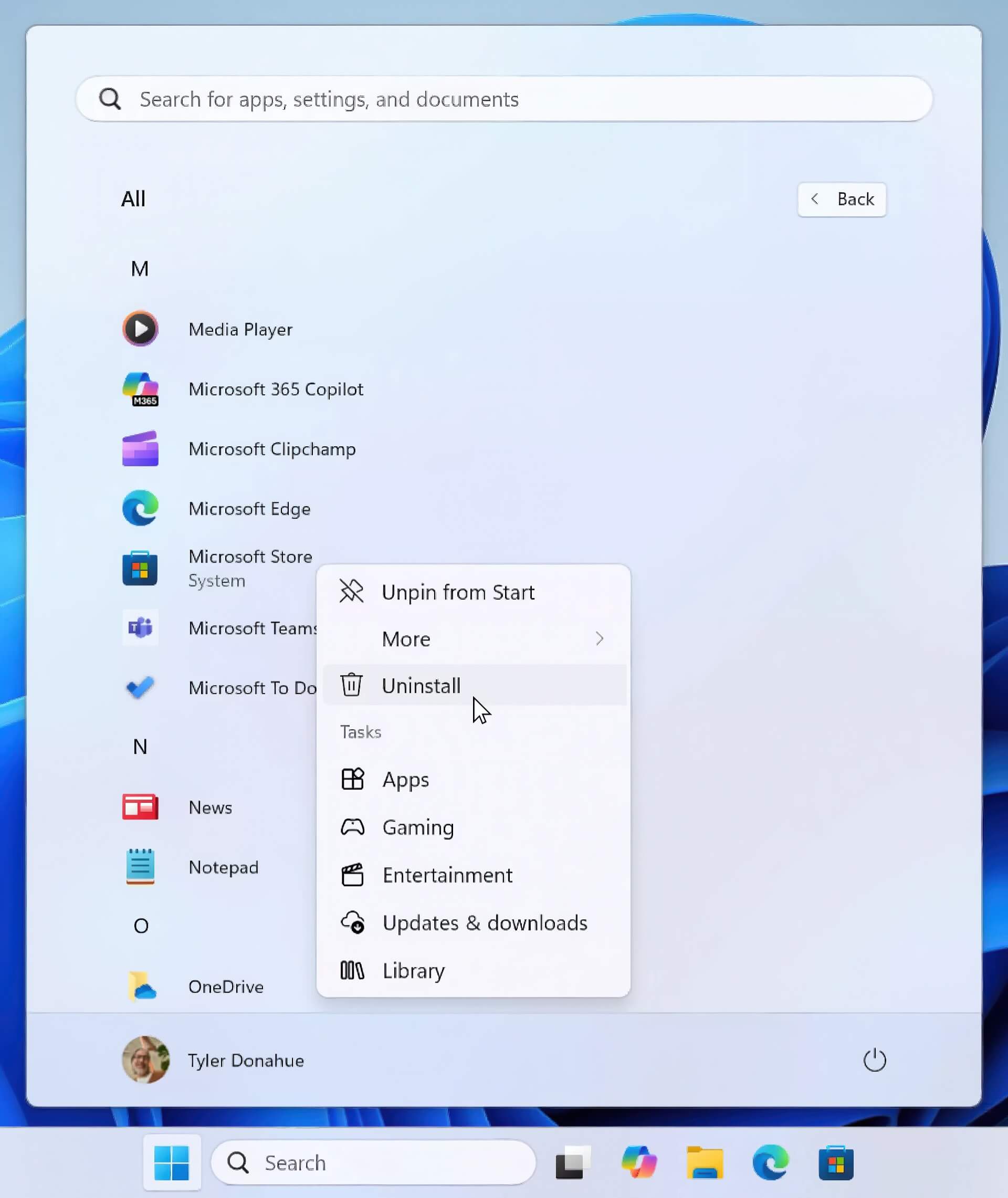
- Users in the EEA will be able to uninstall the Microsoft Store this year. A useful feature is that any applications already installed and distributed from the Store will continue to receive updates even if the Microsoft Store is uninstalled, keeping them secure and up to date.
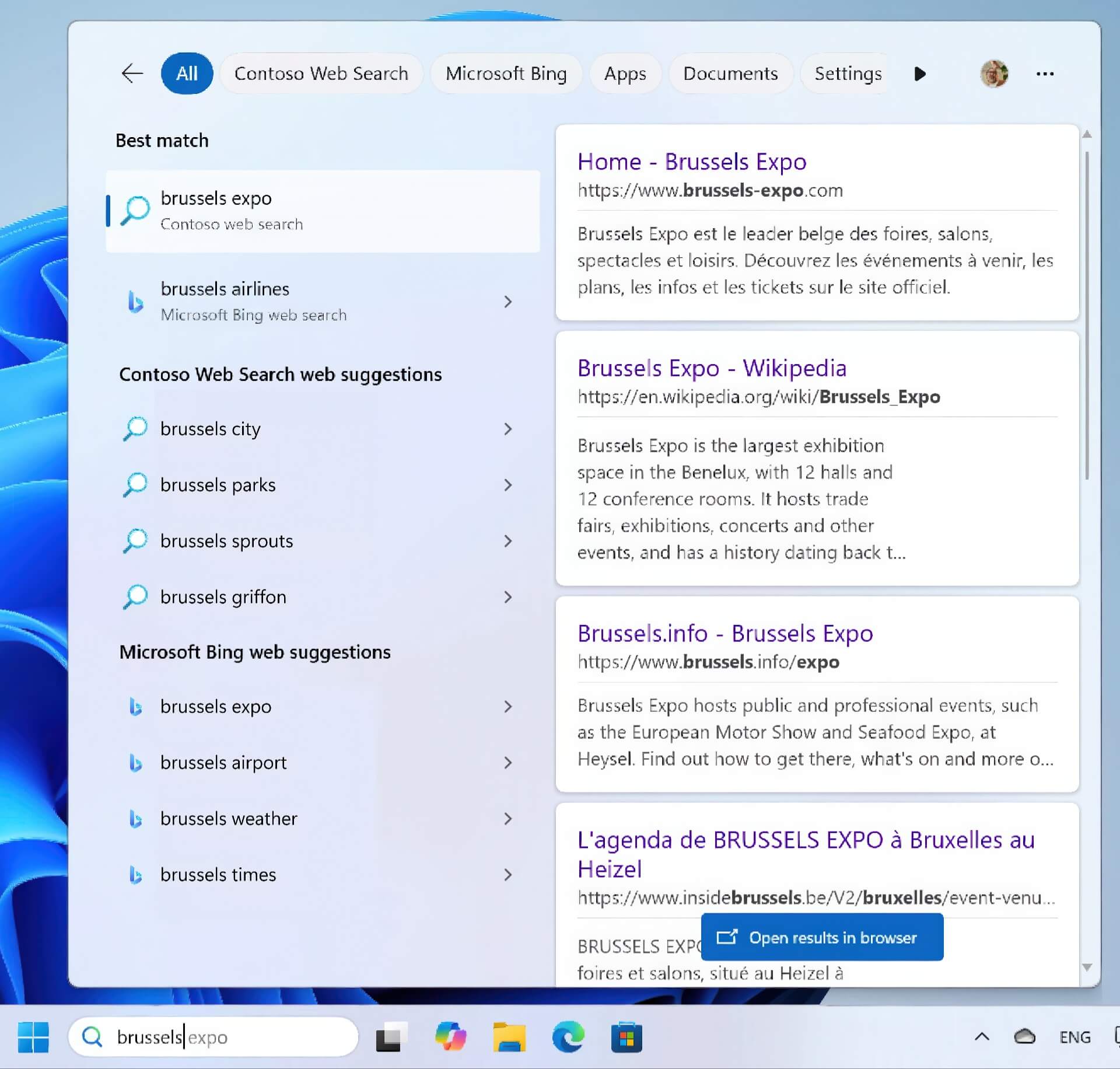
- Microsoft is allowing more third-party applications to provide web search results in Windows Search. Users will also have the option to reorder web search providers in settings based on personal preference. These changes to Search will be rolled out in early June 2025.
All these changes are part of Microsoft's commitment to DMA compliance. The Digital Markets Act is designed to ensure that large online platforms in the EU operate fairly and allow new competitors to enter the market, thereby fostering a more competitive digital environment.
Microsoft has worked hard to implement DMA, engaging with the European Commission and testing DMA-compliant features with customers and the industry to ensure they fulfill their full obligations.
According to Microsoft's compliance report, their approach to DMA compliance is guided by three core principles: transparency, accountability, and open engagement. These principles are reinforced by internal training, controls, and dedicated governance mechanisms.
Summary: Microsoft Edge is undergoing significant changes to comply with the EU Digital Markets Act, including the cessation of annoying notifications asking users to set it as the default browser. However, these changes only apply to users in the European Economic Area, while users in other regions will still face such prompts. Additionally, Microsoft is rolling out various other changes to Windows 10 and Windows 11 to enhance user choice and comply with Digital Markets Act regulations, including the ability to uninstall the Microsoft Store and expanding web search options in Windows Search.