


Since its initial launch in 2008, Chrome has been more than just the world's most popular web browser; it has served as a leader, shaping the standards and development rhythm for the entire digital space. Recently, Google made a surprising announcement by deciding to accelerate the browser's operational speed to a whole new level. Specifically, starting from September 2026, this Chromium-based browser will transition to a new version release cycle every 14 days, instead of the current 4-week interval. This is not merely a race of version numbers, but a strategic move by Google to transform Chrome into an "evolving organism," delivering security and performance enhancements to users almost instantly. In practice, this acceleration will ensure your computer is always equipped with the most advanced protective shields against online threats that change by the hour.
A safer and smoother web browsing experience every 14 days
Instead of waiting an entire month to receive bug fixes or new features, Chrome users from the fall of 2026 will enjoy a sense of innovation every two weeks. Google stated that shortening the cycle helps them distribute security patches and improve reliability significantly faster. The most valuable aspect of this strategy is the breaking down of update volumes. Imagine that instead of a massive overhaul with many complex changes that could cause system conflicts, Google will release small, refined, and easy-to-install fixes in an instant. This helps minimize the risk of serious errors that disrupt your work, ensuring the browser always operates smoothly like a machine undergoing regular scheduled maintenance.
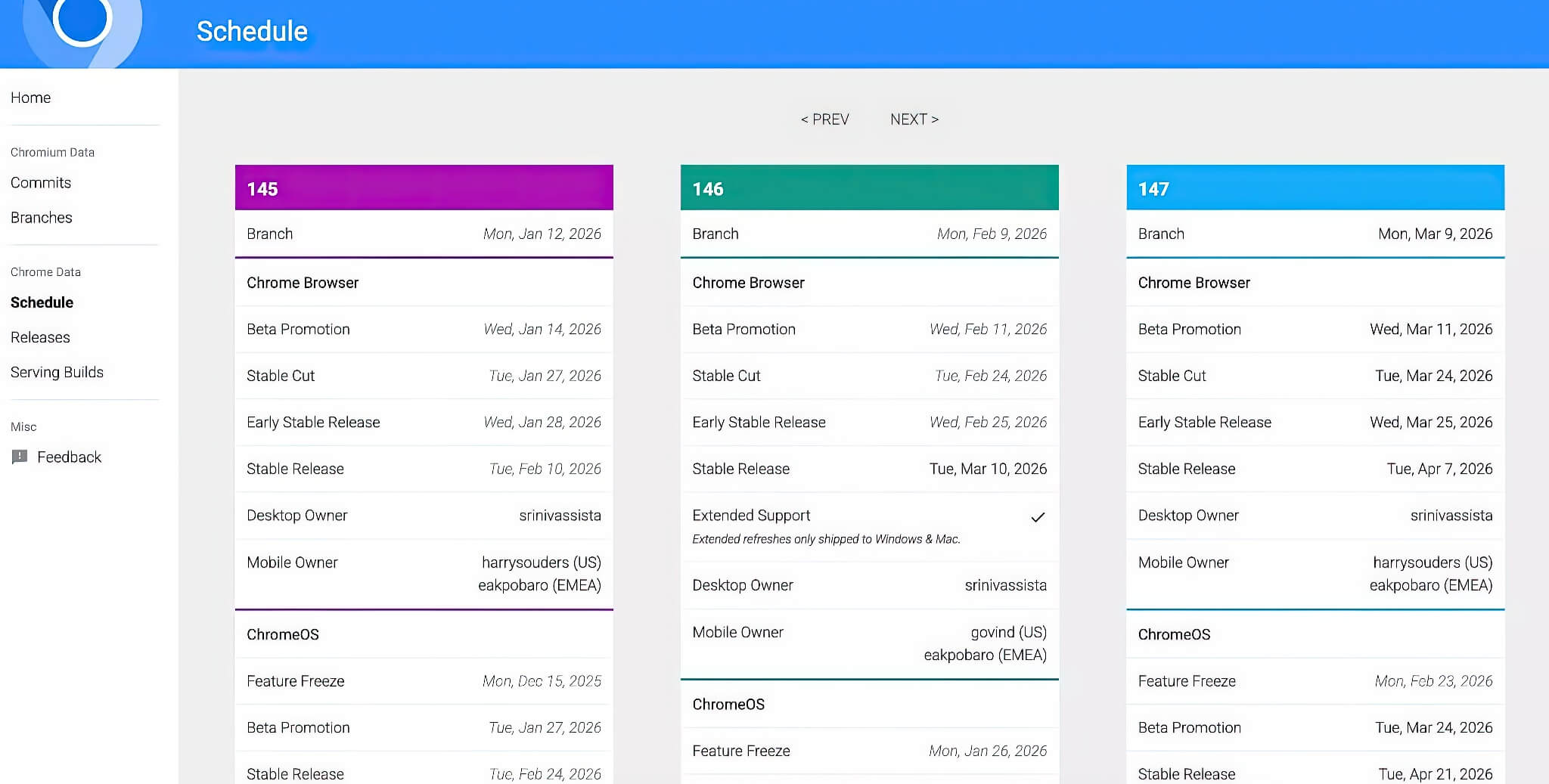
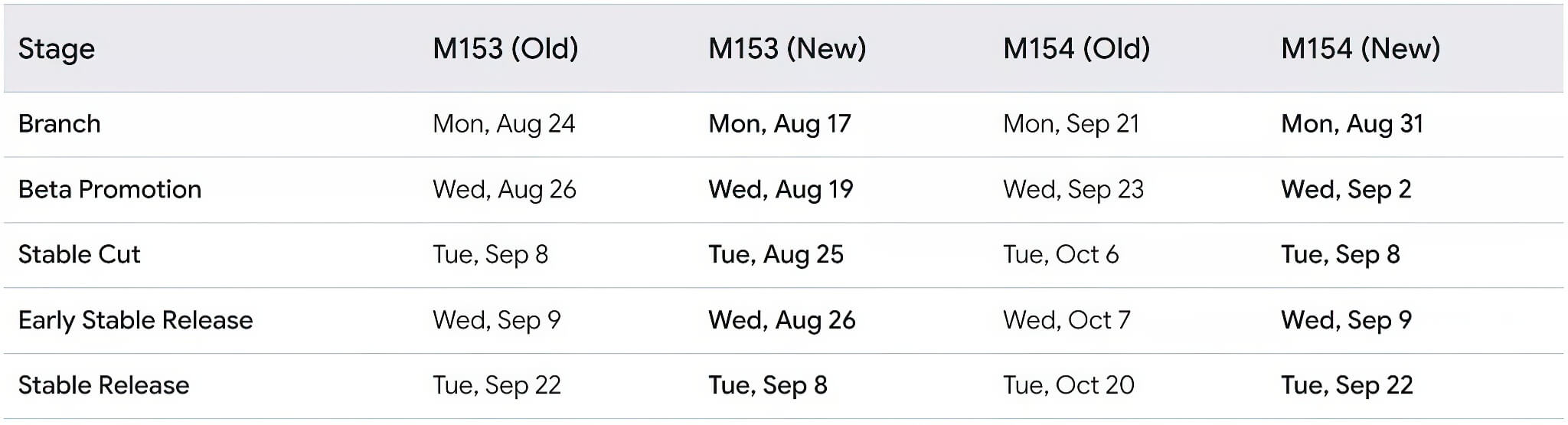
The specific roadmap has been laid out by Google, with the appearance of Chrome 153 on September 8, 2026, and just two weeks later, version 154 will follow on September 22. More frequent releases with a smaller scale allow Google to better control software quality while allowing users to gain early access to the latest web technologies. In reality, when features are released in small batches, users can more easily get used to and adapt to them, rather than feeling overwhelmed by a series of massive changes in previous long-term updates. This change in rhythm will be applied uniformly across all popular platforms, from desktops to Android and iOS mobile devices, providing a seamless and synchronized experience for all users.
The power of the Chromium ecosystem and its impact on the browser world
Google's decision is not confined within Chrome itself but also creates a "butterfly effect" across the entire current web browser market. Because Chrome is built on the open-source Chromium engine-the core foundation for many other browsers such as Microsoft Edge, Opera, Brave, or even Tor Browser-this change will force the entire ecosystem to follow this new high-speed vortex. Third-party browser developers will now have to work more urgently to synchronize patches and features from Chromium into their own products within just 14 days. Furthermore, even Mozilla Firefox, one of the few remaining independent browsers, once had to change to a fast release model in 2011 to avoid falling behind under immense pressure from Google.
For organizations and businesses requiring absolute stability, Google will still maintain a necessary "breathing space." The Extended Stable program for system administrators will continue to maintain an 8-week update cycle, ensuring that businesses have enough time to test the compatibility of internal applications before applying new versions. Analyzing the long-term value, continuous updates every 2 weeks help modern web applications perform at their maximum potential on the browser, providing sharper visual experiences and faster response speeds without requiring customers to upgrade hardware too frequently. This is a significant step toward turning the browser into a powerful, secure, and always-ready platform for all the challenges of the digital technology era in 2026.