
Every time a new member of the Apple family appears, the ruthless law of attrition in the tech world begins. This week, Apple caused a minor earthquake by simultaneously launching 10 new devices while quietly removing 15 existing products from its official business catalog. From short-lived devices released only 6 months ago, such as the MacBook Pro M5 512GB version, to the legendary Pro Display XDR from 2019, all have been phased out. In reality, this is not just a typical inventory clearance but a calculated strategy to guide users toward the most cutting-edge experiences while keeping the product ecosystem streamlined and less confusing. If you are planning to upgrade your device at this time, Apple's discontinued list is vital information to avoid investing in items that are about to become obsolete.
Catalog Purification and Apple's Path-Clearing Strategy
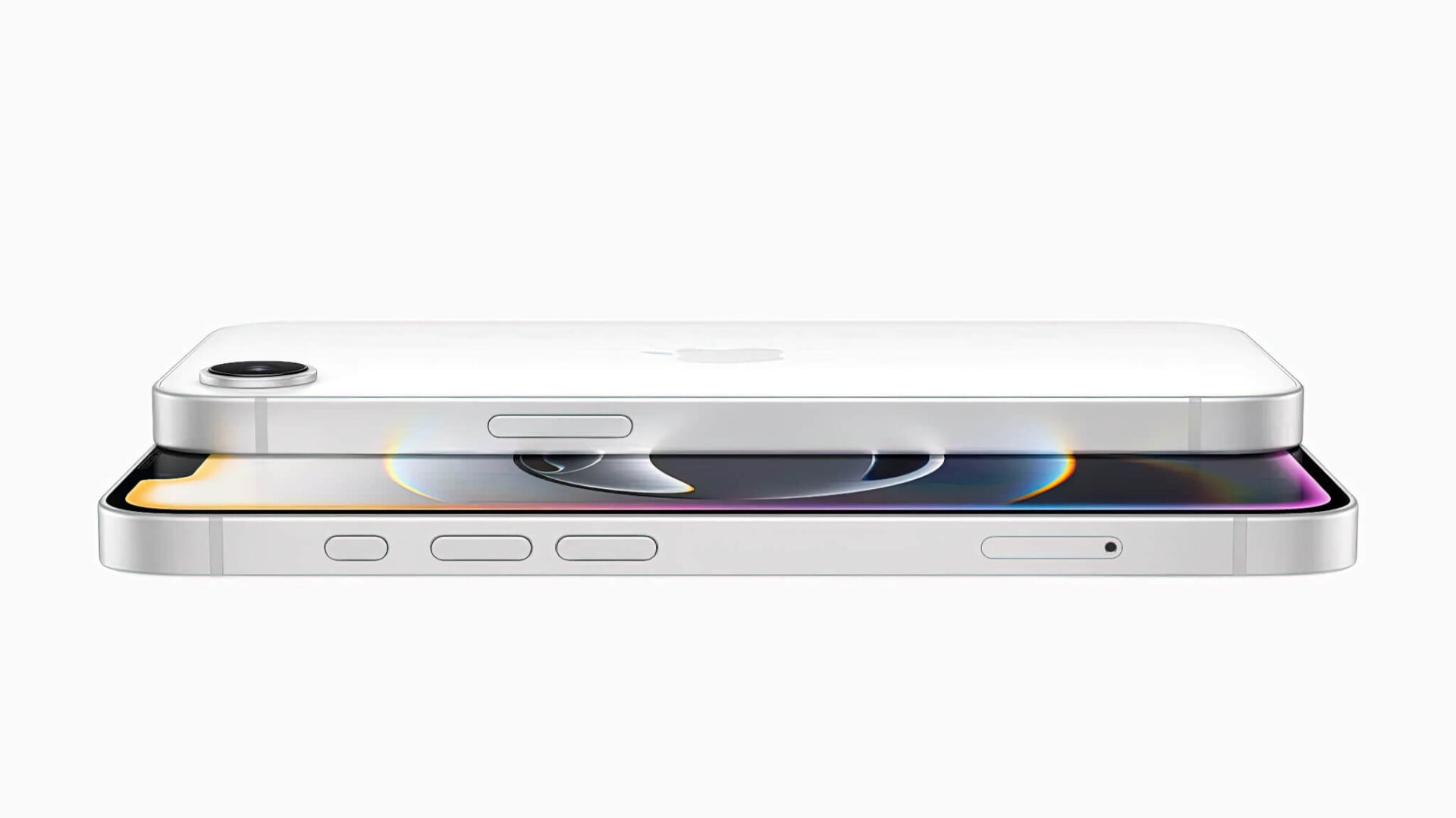
The most significant aspect of Apple's strategy this time is the decisiveness in replacing mid-range and near-premium product lines. The iPhone 16e using the A18 chip, which only appeared in early 2025, has quickly made way for its successor, the iPhone 17e. Similarly, the 11-inch and 13-inch iPad Air models running the M3 chip have officially stepped aside to make room for the more powerful M4 chip generation. The discontinuation of products less than a year old shows that Apple is accelerating its product lifecycle rotation to an unprecedented level, forcing users to stay in a constant state of upgrading if they do not want to be left behind with outdated technology.
Furthermore, the disappearance of veteran names like the Pro Display XDR and its accompanying accessories from 2019 marks the end of an old display era. After over 6 years of dominating the professional segment, the Pro Display XDR finally has a worthy successor in the Studio Display XDR. In practice, maintaining too many product lines with overlapping chip generations from M3, M4 to M5 only serves to confuse customers. By streamlining the list, Apple helps users make decisions more easily: either choose a standard line with the latest chip or move straight to the Pro line with peak performance. This is how Apple optimizes the shopping experience while focusing production resources on the most advanced components.
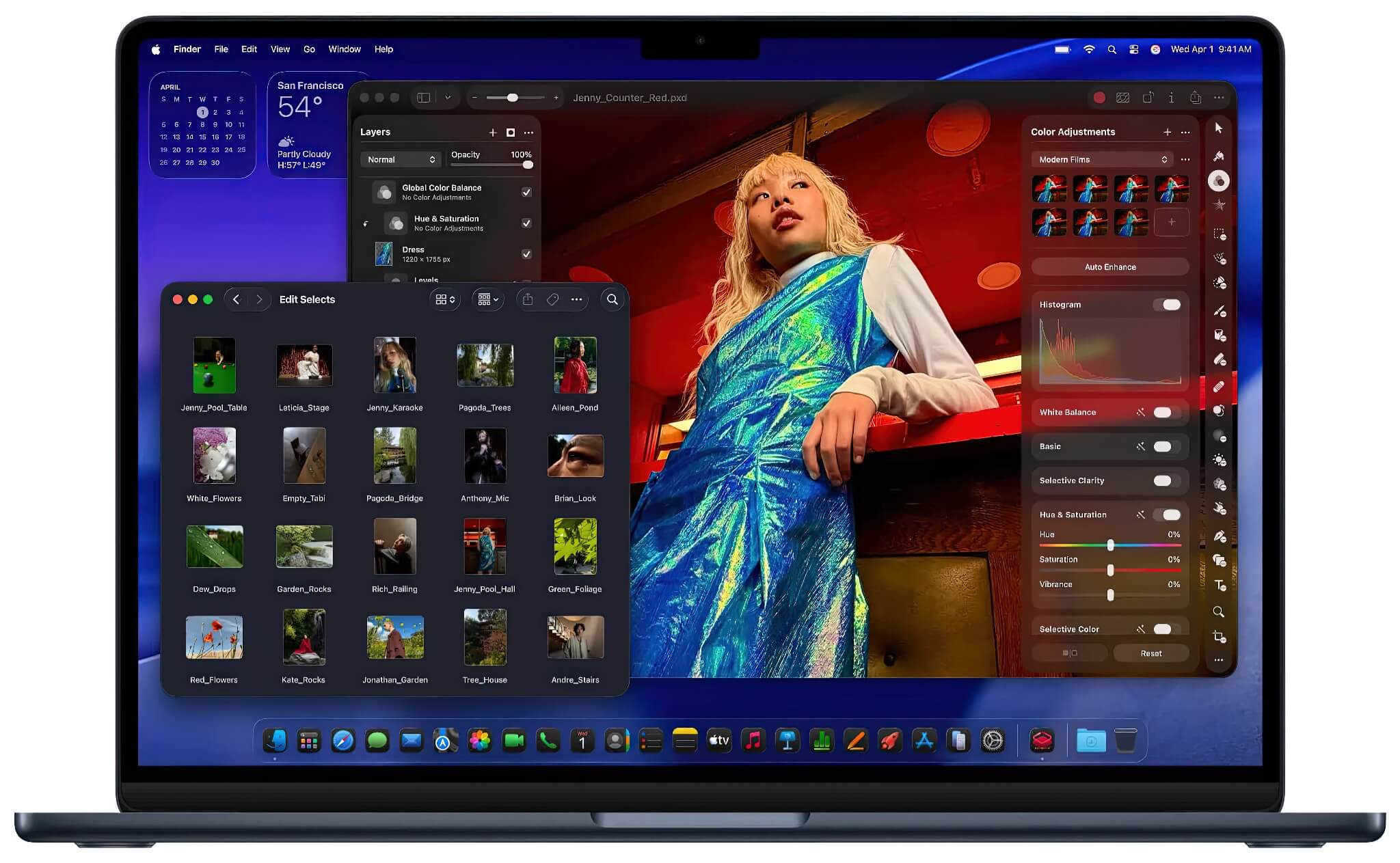
One of the most controversial points in this purge is the fate of the MacBook Pro M5 chip 512GB memory version. Although it was just released last October, this version has been removed to be replaced by the standard 1TB version. This provides a more comfortable storage experience for professional users, helping you work smoothly with heavy graphic files without worrying about running out of space. However, the price to pay for this upgrade is that the starting price of the MacBook Pro line has also been pushed higher, creating a larger financial barrier for new customers entering the brand's highest-end machine line.
Hardware Power and the Economic Equation When Choosing Discontinued Goods
When analyzing performance deeply, Apple's decision to discontinue the series of MacBook Pro running M4 Pro and M4 Max chips (released in 2024) to focus on the M5 line is an inevitable step. The M5 chip not only brings superior processing speed but also optimizes Artificial Intelligence processing capabilities, a key factor in today's computing era. For content creators or programmers, owning the latest devices means maintaining long-term usability and perfect compatibility with future software updates. The Mac Studio M3 Ultra version with 512GB memory also shares the same fate, showing that Apple wants to synchronize its entire desktop product range to a higher new performance standard.
However, customers should note one extremely important detail: discontinuation does not mean the device is being discarded. Apple has very clear regulations regarding support lifecycles. Products that have just been discontinued will still receive operating system updates, repair services, and component replacements for at least the next 5 to 7 years. In reality, a MacBook Pro M4 Max or iPad Air M3 is still a performance beast at the present time and is fully capable of meeting all the heaviest work demands. The only difference is that you will no longer see them appearing on Apple Store's online shelves.
This is exactly when the economic equation appears. When Apple stops selling through official channels, third-party retailers often begin deep discount campaigns to clear inventory. If you are not too strict about owning the absolute latest chip like the M5, then hunting for recently discontinued models like the MacBook Air M4 or iPhone 16e at retail stores is an extremely smart choice. You still own a high-class device and receive full support from Apple, but at a price that saves you millions to tens of millions of VND. This is a golden opportunity for those who want to own premium goods at a bargain price, as long as you understand that you are trading a little bit of long-term software support time for immediate financial benefit.