
The tech world has just witnessed a historic turning point as Mark Zuckerberg's Meta decided to spend $60 billion to purchase chips from AMD, while simultaneously acquiring a 10% stake in the semiconductor giant. This is not merely a standard component supply contract, but a strategic partnership aimed at building a self-sustaining "AI economy." In reality, as tech giants strive to escape excessive dependence on Nvidia, this deal serves as a powerful affirmation of Meta's ambition to fully master its hardware infrastructure. If you are looking for a sign of how heated the artificial intelligence race has become, the $60 billion figure and the fact that a software giant is "diving deep" into the silicon sector is the clearest answer.
The Helios Alliance and Meta's Ambition for Private AI Infrastructure
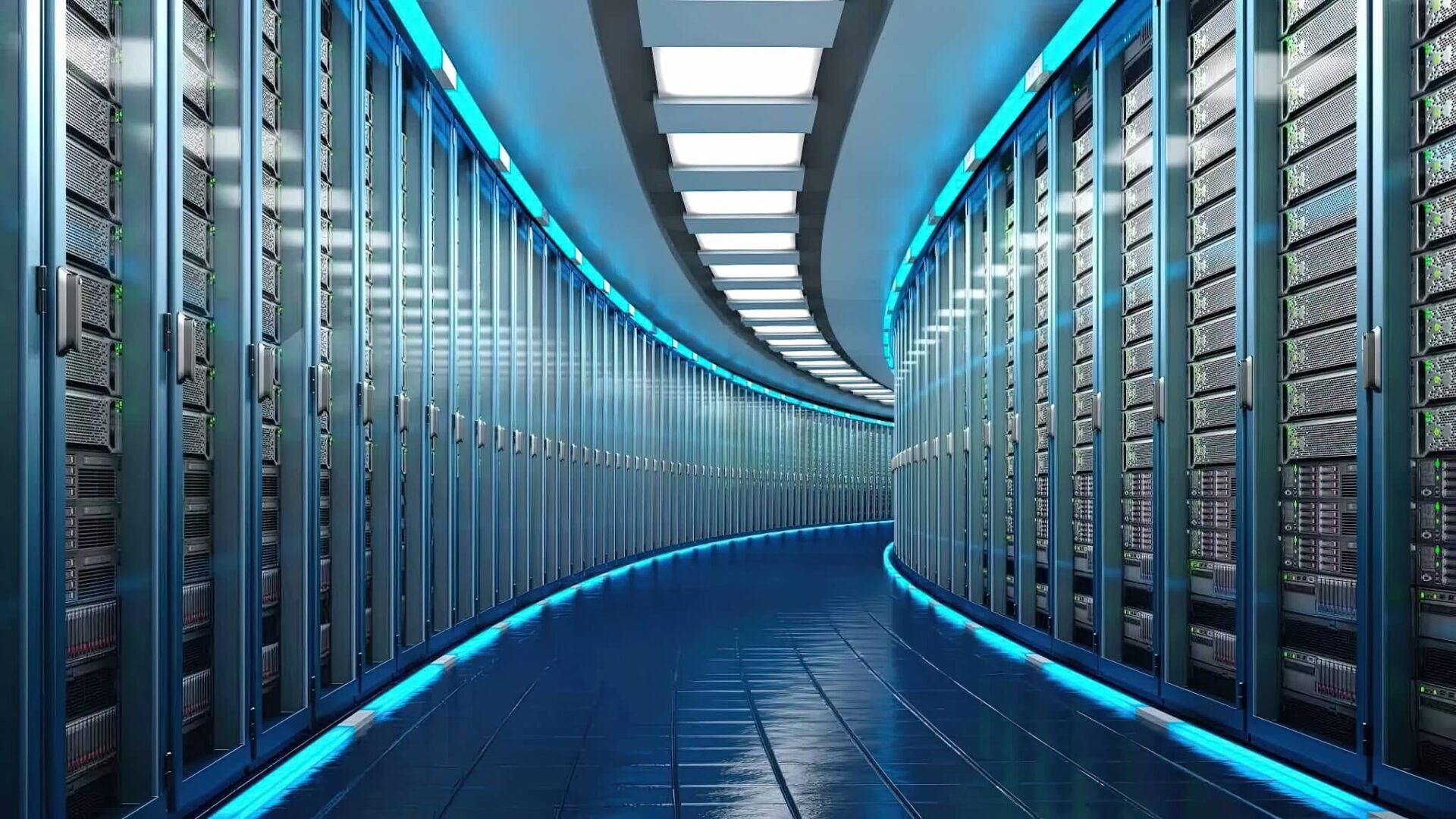
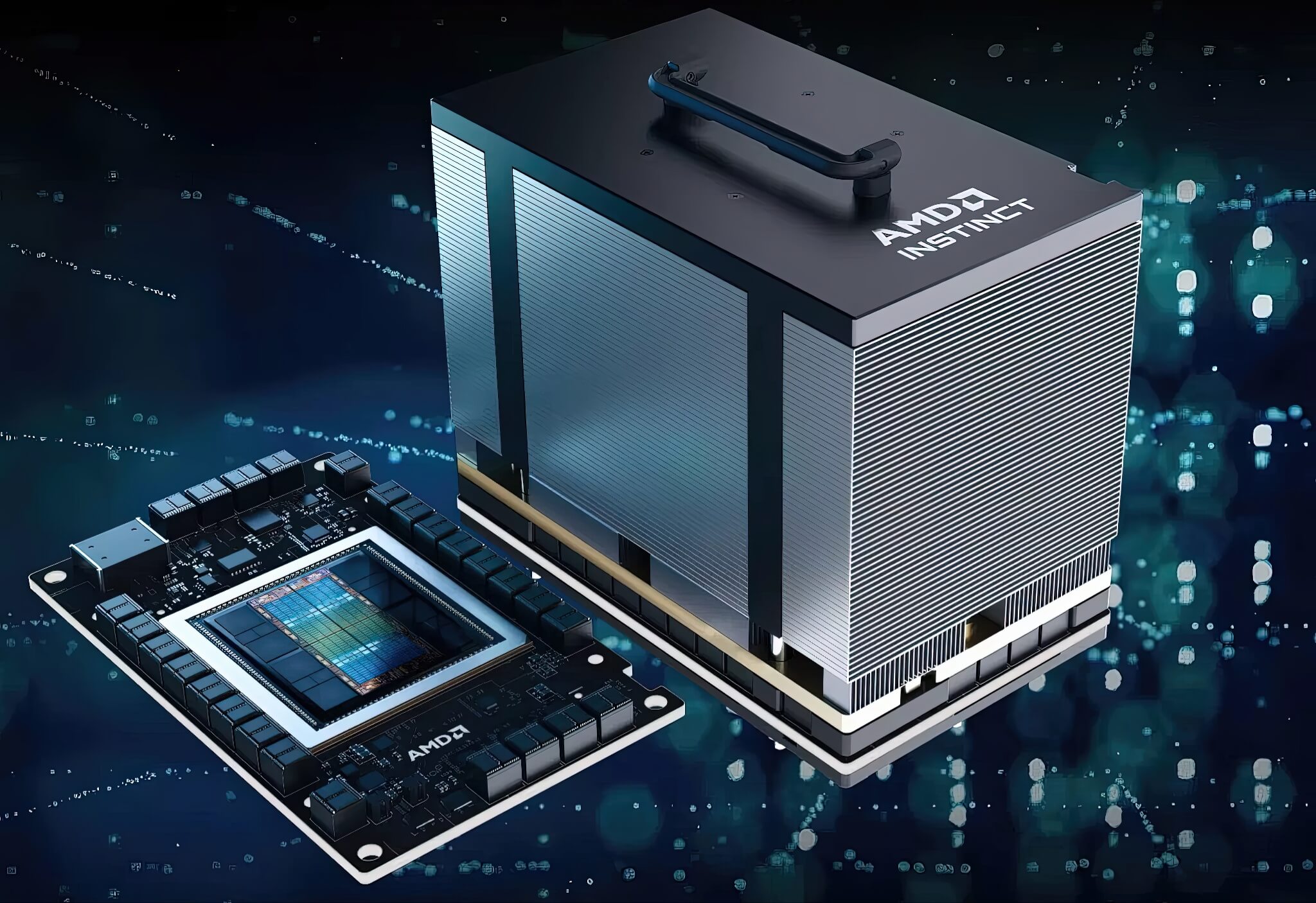
The most valuable aspect of this long-term agreement is that AMD and Meta will co-design a shared technology roadmap, tightly integrating everything from CPUs and GPUs to core software platforms. At the heart of this collaboration is a plan to deploy a massive computational workload of up to 6 gigawatts of GPU power-a figure sufficient to operate hyperscale data centers serving the goals of Artificial General Intelligence (AGI). Instead of purchasing mass-produced off-the-shelf components, AMD will provide server racks named Helios, custom-built to Meta's specific requirements. This helps optimize processing performance for Large Language Models, enabling computers to learn and respond to billions of pieces of information in an instant while ensuring absolute stability.
Furthermore, Meta's direct involvement in the development of the Helios system reveals a new trend: major tech corporations no longer want to play the role of passive customers. In practice, by designing infrastructure themselves, Meta can ensure all components work in harmony, minimizing bottlenecks and optimizing energy efficiency to the highest degree. According to the roadmap, the first GPU systems will begin delivery in the second half of 2026, paving the way for a large-scale hardware rollout over the next four years. If you are wondering why Meta is willing to take such a massive investment risk, the answer lies in autonomy: they want to own a private ecosystem so they are not bound by any single supplier, while also being able to confidently develop in-house AI accelerators alongside AMD chips.
The Power of Instinct MI450 and Stringent Financial Conditions
Analyzing deeply from a technical perspective, the core of this deal lies in a custom GPU line based on AMD's latest Instinct MI450 architecture. Accompanying this are extremely powerful 6th-generation Epyc processors codenamed Venice and Verano. The most significant value here is not just the number of cores or the massive memory bandwidth, but the ability to handle AI inference tasks at incredible speeds. For modern enterprise server systems, possessing the power of the MI450 is like equipping a racing car with a jet engine, allowing Meta's AI models to think faster than ever while maintaining optimal power consumption per data token.
However, this $60 billion deal also comes with dramatic conditions for AMD. For Meta to officially complete the acquisition of 160 million shares, AMD must precisely meet committed production targets and delivery timelines. Beyond that, an interesting condition is that AMD's stock price must reach the $600 threshold for the investment terms to become fully effective. In reality, this is a calculated move by Meta to ensure AMD always strives to innovate technologically and maintain its brand value. While Nvidia might be surprised by these types of "selling out" agreements, for AMD, this is a golden ticket to narrow the market capitalization gap and assert its position as the number one rival in the global AI chip market.
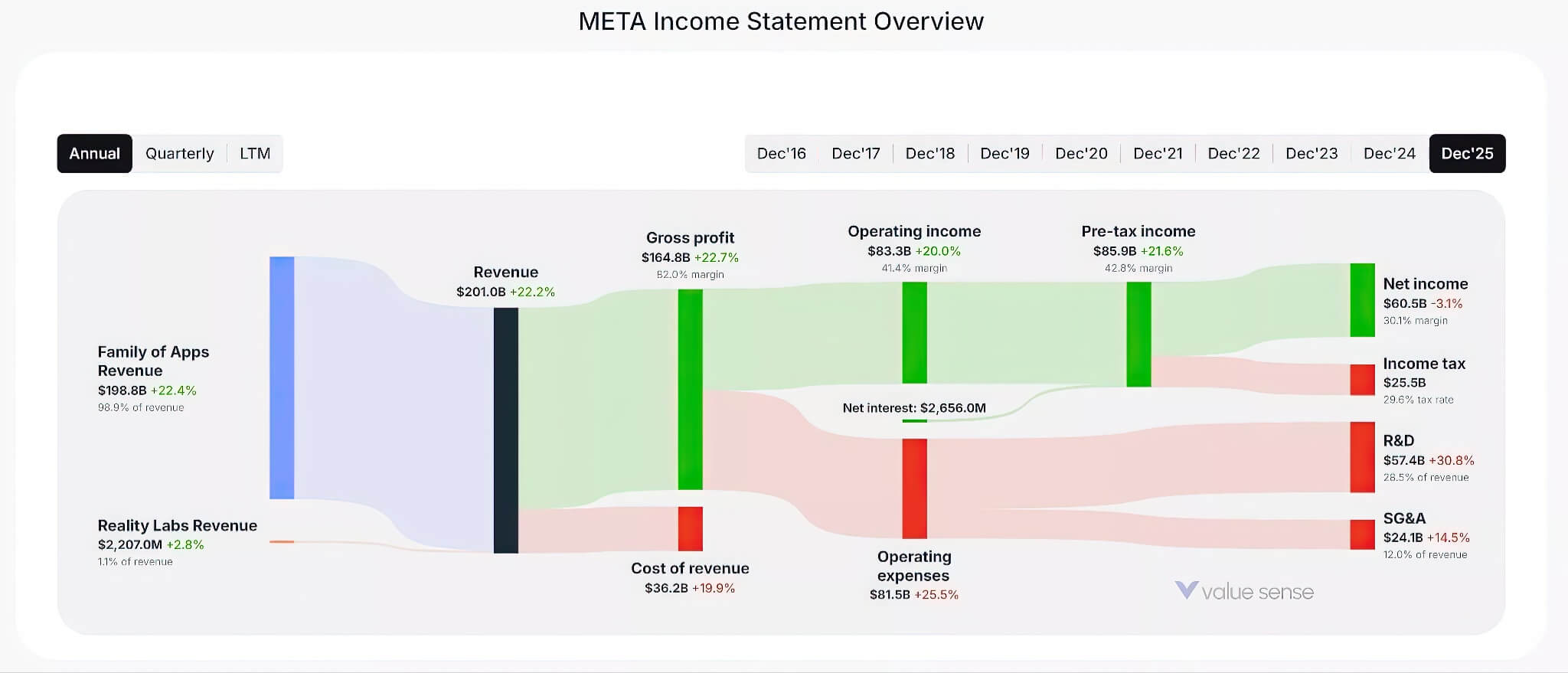
In summary, the partnership between AMD and Meta is clear evidence that the AI era is reshaping the entire semiconductor order. By both purchasing chips and holding AMD shares, Meta protects its supply chain and directly participates in shaping future technology. Practical advice for customers and investors is to closely watch the 2026 milestone-the time when the first Helios systems go into real-world operation. That will be when we see clearly whether this alliance truly creates a transformation or is merely a risky bet in the current AI fever. Would you like me to help analyze the differences between AMD's MI450 architecture and Nvidia's Blackwell series for a deeper insight into this race?