
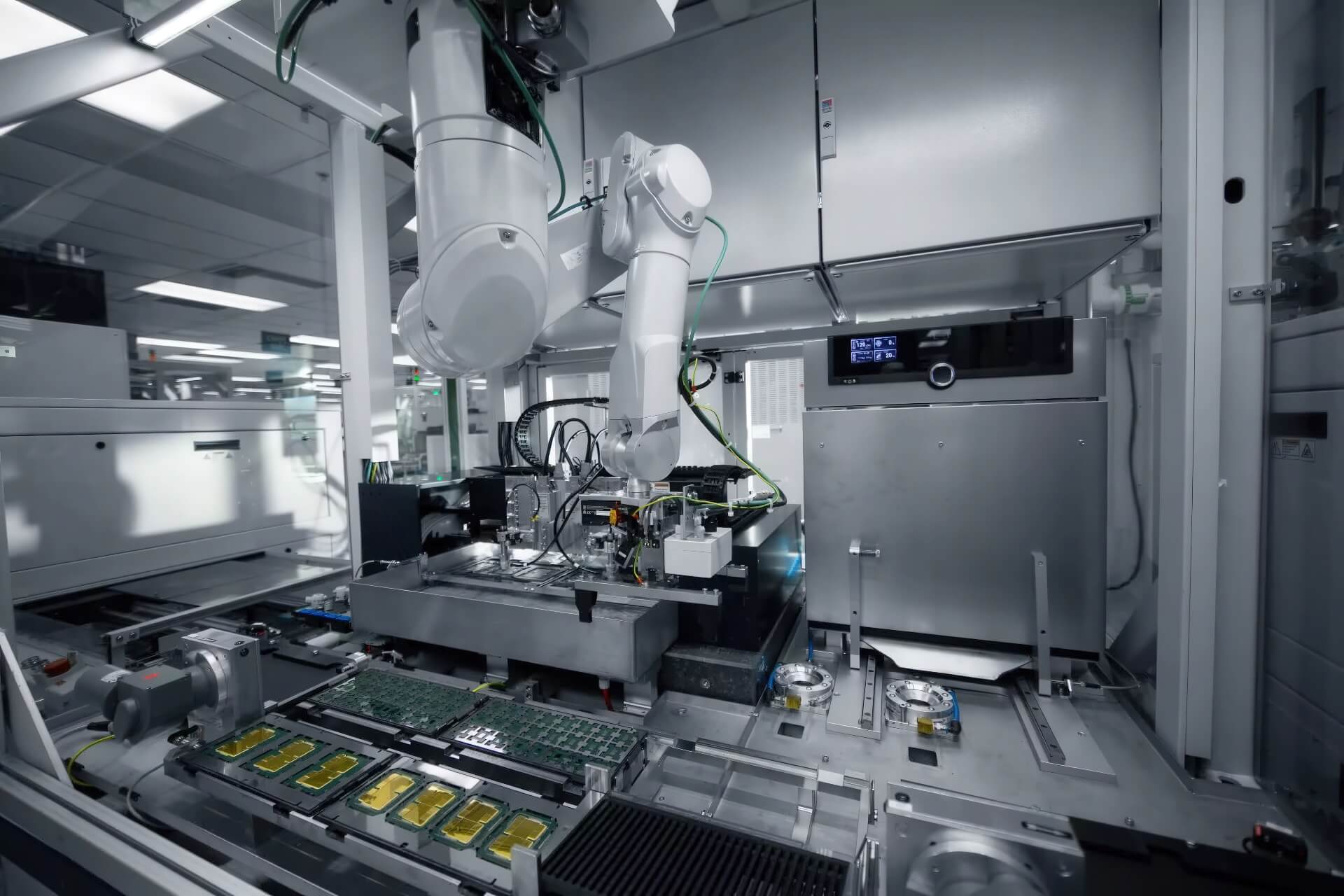
Intel's 18A process, the company's most advanced manufacturing technology, is ramping up more slowly than planned. Until high-volume production is achieved, the company's Intel 7 lines, which are currently being utilized to their maximum capacity, will continue to limit output for both client and data center chips. In the meantime, Intel is prioritizing higher-margin server processors to offset supply constraints and preserve profitability.
Intel's chip demand recovery in Q3 was impacted by ongoing supply constraints, which continue to limit the company's ability to supply processors for both client and data center markets. Although CPU orders have increased significantly across many product lines, Intel's production remains bottlenecked by limited manufacturing capacity and the persistent industry-wide shortage of packaging substrates.
Dependence on Intel 7 causes CPU supply constraints
In a recent earnings call with analysts, Intel CFO David Zinsner stated that the company continues to face "manufacturing capacity constraints, particularly with Intel 10 and Intel 7." He noted that these issues have limited output for both client and data center products over the past quarter. Much of Intel's current manufacturing challenge stems from its reliance on the Intel 7 process-formerly known as 10nm Enhanced SuperFin-which was introduced several product generations ago.
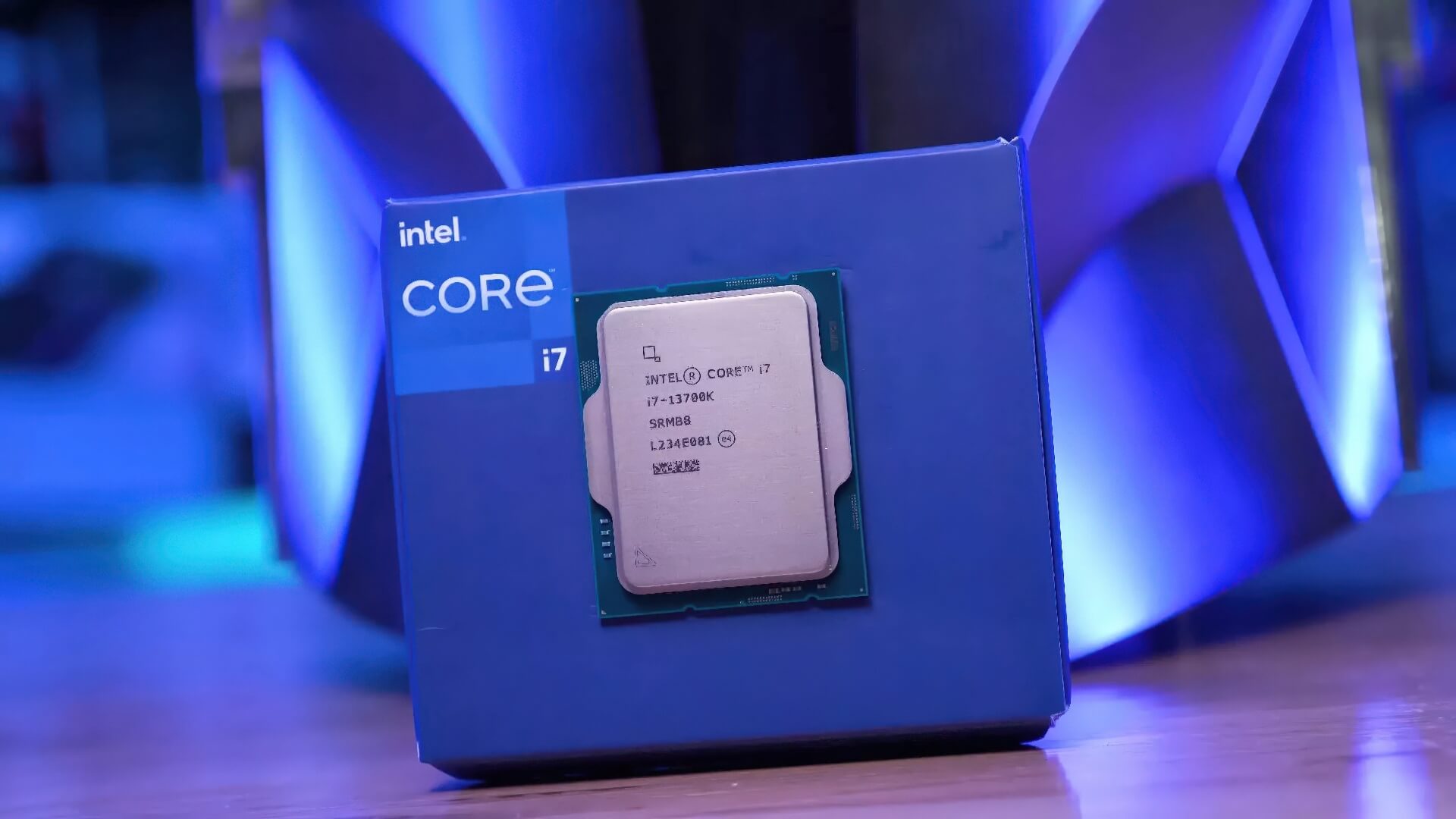
Despite its age, this process remains central to Intel's CPU lineup. It powers both 13th and 14th Gen Core processors, known as Raptor Lake, as well as I/O dies for the Xeon 6 "Granite Rapids" and 5th Gen Xeon Scalable "Emerald Rapids" chips. Raptor Lake, first launched in 2022, remains a strong bestseller in the PC market thanks to its stable performance and wide compatibility. However, the decision not to expand manufacturing capacity on older Intel processes has made the supply of these chips tight. As demand continues to rise, prices for Raptor Lake processors have increased accordingly.
Intel prioritizes high-margin server chips to overcome supply crisis
Mr. Zinsner acknowledged this challenge, stating that Intel is "working closely with customers to maximize available output, including adjusting pricing and product mix," as supply constraints persist. In practice, this means the company continues to prioritize premium products and higher-margin SKUs, sacrificing high-volume, lower-cost CPUs.
Intel's constrained Intel 7 (7-nanometer-class process) production lines are being heavily allocated to high-margin data center products, particularly the Xeon 6 series. These processors use I/O dies manufactured on Intel 7, directly linking their output to the same manufacturing line that supports Raptor Lake. Management has chosen to shift wafer capacity to data center CPUs, where each unit can be sold for several thousand dollars-far exceeding even the most expensive client chips, which typically retail for under $600. Mr. Zinsner stated that Intel expects to see consecutive growth in the Data Center and AI Group's results in the current quarter, while revenue for the Client Computing Group will decrease slightly due to this product mix shift.
Beyond wafer capacity, Intel's manufacturing outlook is further strained by the scarcity of organic substrates-the thin materials that encapsulate and connect CPUs within their packages. This shortage is occurring industry-wide, adding another layer of complexity to Intel's supply chain management. Because these materials are essential for assembling both desktop and server processors, the restriction affects all segments of the company's CPU portfolio.
Intel expects supply challenges to persist through next year due to both process capacity limits and component shortages. The company warned that Q1 2026 could mark the peak of these constraints, with gradual improvement expected thereafter. Mr. Zinsner noted that the company has had to rely on accumulated inventory through the end of 2025 and is "running manufacturing at the highest possible capacity with the fab."