
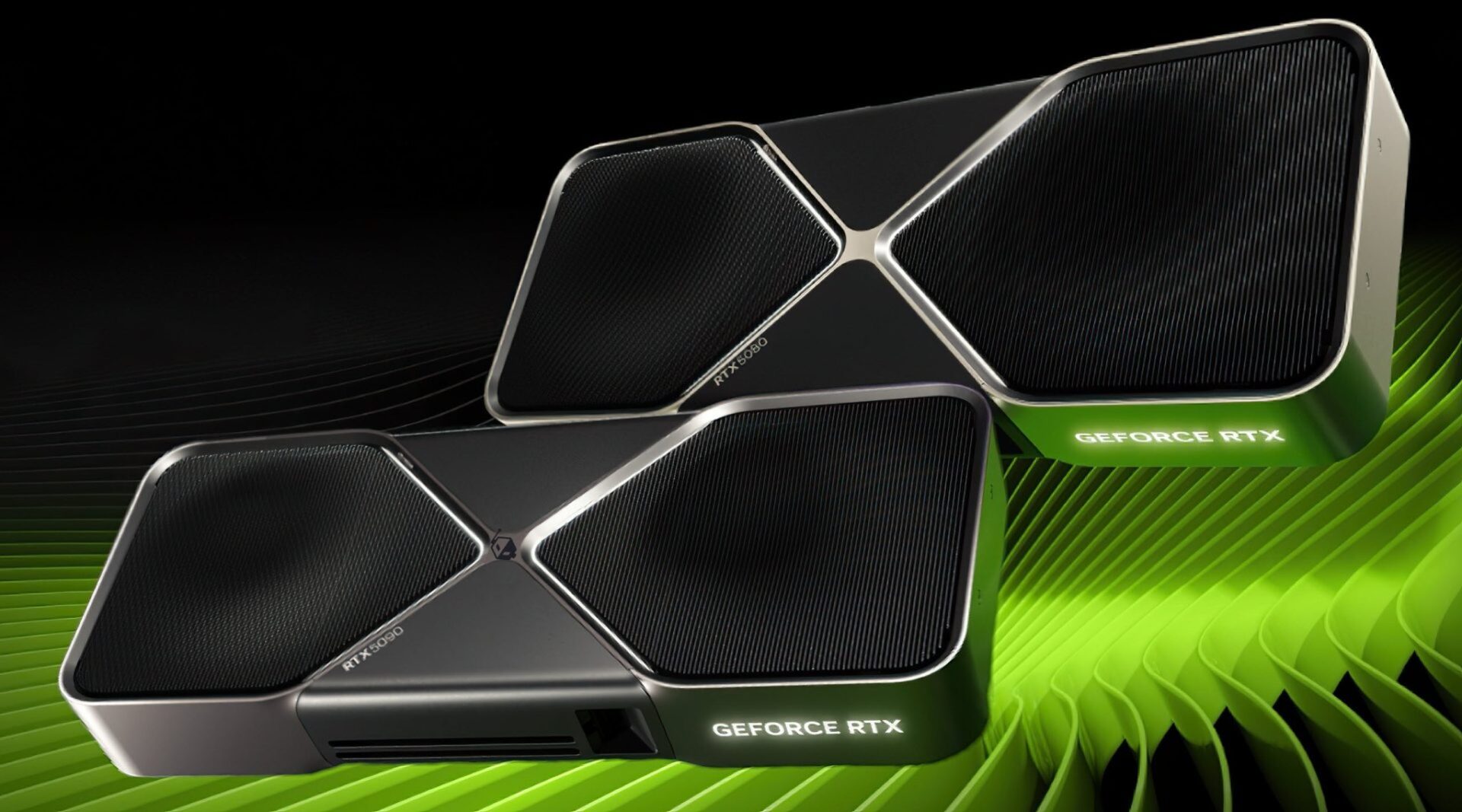
The RTX 5090 was already a piece of hardware out of reach for many, but the price of this card model could climb even higher in the coming days. According to information reported by WCCFtech, NVIDIA is reportedly passing an additional $300 in costs onto partner card manufacturers due to the ongoing VRAM shortage. When this increase is added to the price already being driven up by scarcity, the RTX 5090 could approach the $5,000 mark. For those aiming for 4K gaming rigs, rendering setups, or personal AI workstations, this is no longer just a story of a luxury item, but a completely broken cost equation.
Why is the RTX 5090 seeing such a massive price hike just due to a VRAM shortage?
The key lies in the fact that the RTX 5090 uses high-capacity GDDR7 memory, while the supply of this type of memory chip is under pressure from multiple sides. Leaked information suggests that NVIDIA is continuing to increase GPU selling prices for AICs-meaning manufacturers like ASUS, MSI, or Gigabyte-because the cost of purchasing VRAM has risen. Looking back at the time the RTX 5090 launched with a suggested retail price of $1,999, the gap between the MSRP and the market price has now been stretched extremely wide.
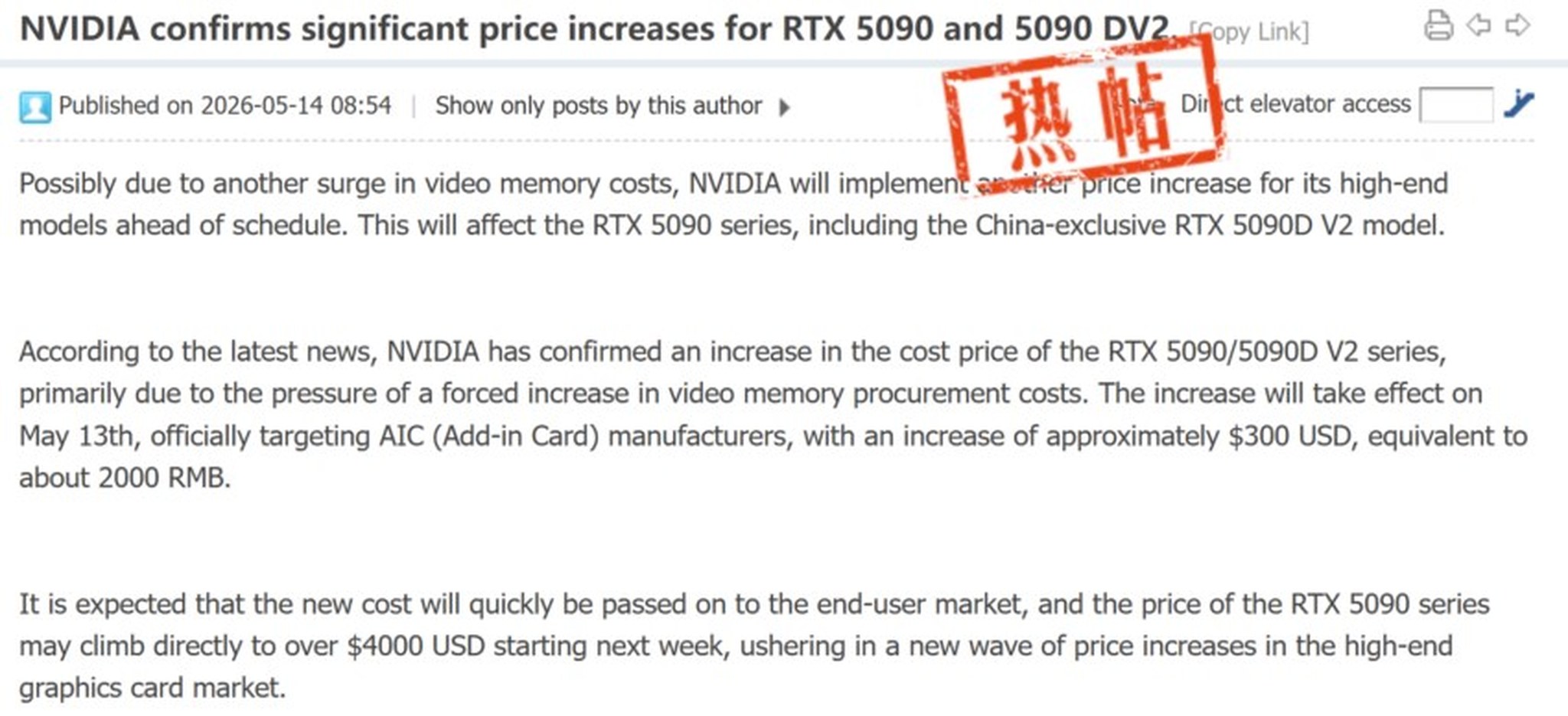
A $300 increase at the component level does not mean the retail price only increases by exactly $300. Partner brands must also add profit margins, distribution costs, and risk premiums for when stock arrives in small trickles, so the final price is often amplified much more. This is why WCCFtech believes the selling price of the RTX 5090 could soon exceed $4,500 and approach $5,000 if the memory supply does not cool down.
Importantly, this issue does not just reflect high demand for a single flagship card. New-generation VRAM must also be shared across many other product groups, from AI cards and servers to high-end consumer batches. Therefore, even if there is no absolute shortage of GPUs, the memory component alone can become a bottleneck that drives up the price of the entire graphics card.
What should high-end card buyers look at besides the nearly $5,000 figure?
For high-end buyers, the biggest impact is not just spending more money, but the fact that the value per USD is deteriorating very rapidly. The RTX 5090 remains the most powerful choice for maximum 4K settings, heavy ray tracing, and creative workloads requiring massive VRAM, but as the actual price rises to double the MSRP, the decision to purchase becomes less rational than before. In this context, many will have to reconsider the choice between owning a discrete card and opting for a pre-built system that already includes a GPU.
| Category | Current Mentioned Level | Meaning for Buyers |
|---|---|---|
| Launch MSRP | 1,999 USD | Initial reference point for the RTX 5090 |
| Additional cost at partner channel | Approximately 300 USD | Not the final retail price; could be inflated further |
| Short-term market price | Over 4,000 USD | Flagship cards continue to be out of reach for most users |
| Concerned threshold | 4,500 to 5,000 USD | The performance-to-price ratio becomes significantly less attractive |
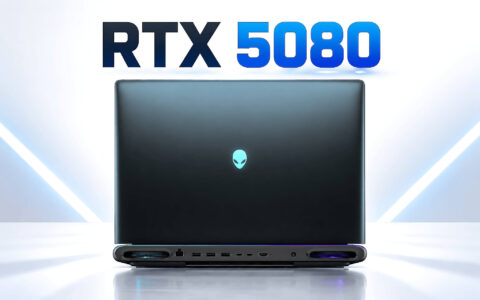
This reality also helps explain why pre-built configurations featuring the RTX 5090 are suddenly becoming more attractive. The Alienware RTX 5090 gaming PC featured on Hung Phat Laptop previously showed that there are times when buying a complete system does not differ much in price from hunting for a discrete card. As GPU prices continue to be pushed up due to VRAM scarcity, that trend becomes even clearer for those who need performance immediately rather than waiting for the market to self-adjust.
If the memory shortage persists, the impact may not stop with the RTX 5090 but could spread to other RTX 50-series models using GDDR7. For general users, the message is quite clear: this is not yet a favorable time to buy flagship cards at any cost. For those forced to spend due to work or wanting the highest performance right now, what needs to be monitored is not just whether the GPU is in stock, but whether VRAM costs have begun to cool down.