
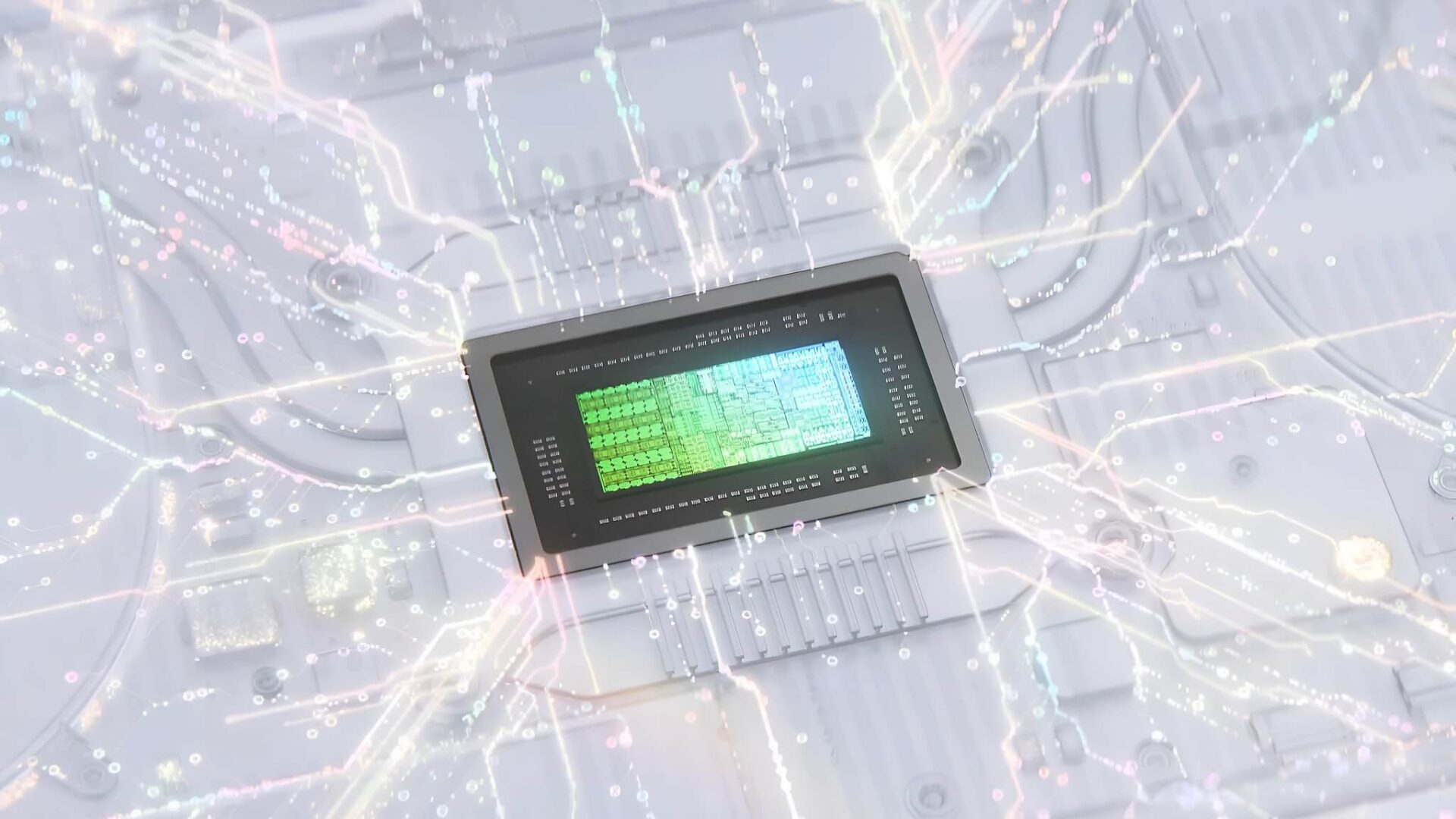
The NVIDIA RTX Spark chipset is becoming the center of attention as the latest technical analyses reveal significant changes in its internal architecture. Instead of using the original design from MediaTek's Dimensity 9400 series, NVIDIA has implemented special refinements on the Cortex-X925 cores. The primary goal of this change is to enable the RTX Spark chip series to handle heavy PC-based tasks more smoothly. The combination of characteristics from different chip generations demonstrates NVIDIA's great ambition to optimize multi-core performance on modern computing devices through RTX Spark.
A unique combination of two MediaTek chip generations on RTX Spark
Many previous opinions were skeptical about NVIDIA using CPU cores that were older than the most modern SoC lines. However, actual analysis results from experts have proven a much smarter strategy. Specifically, the RTX Spark chipset is not merely a clone of the Dimensity 9400 but a highly calculated hybrid.
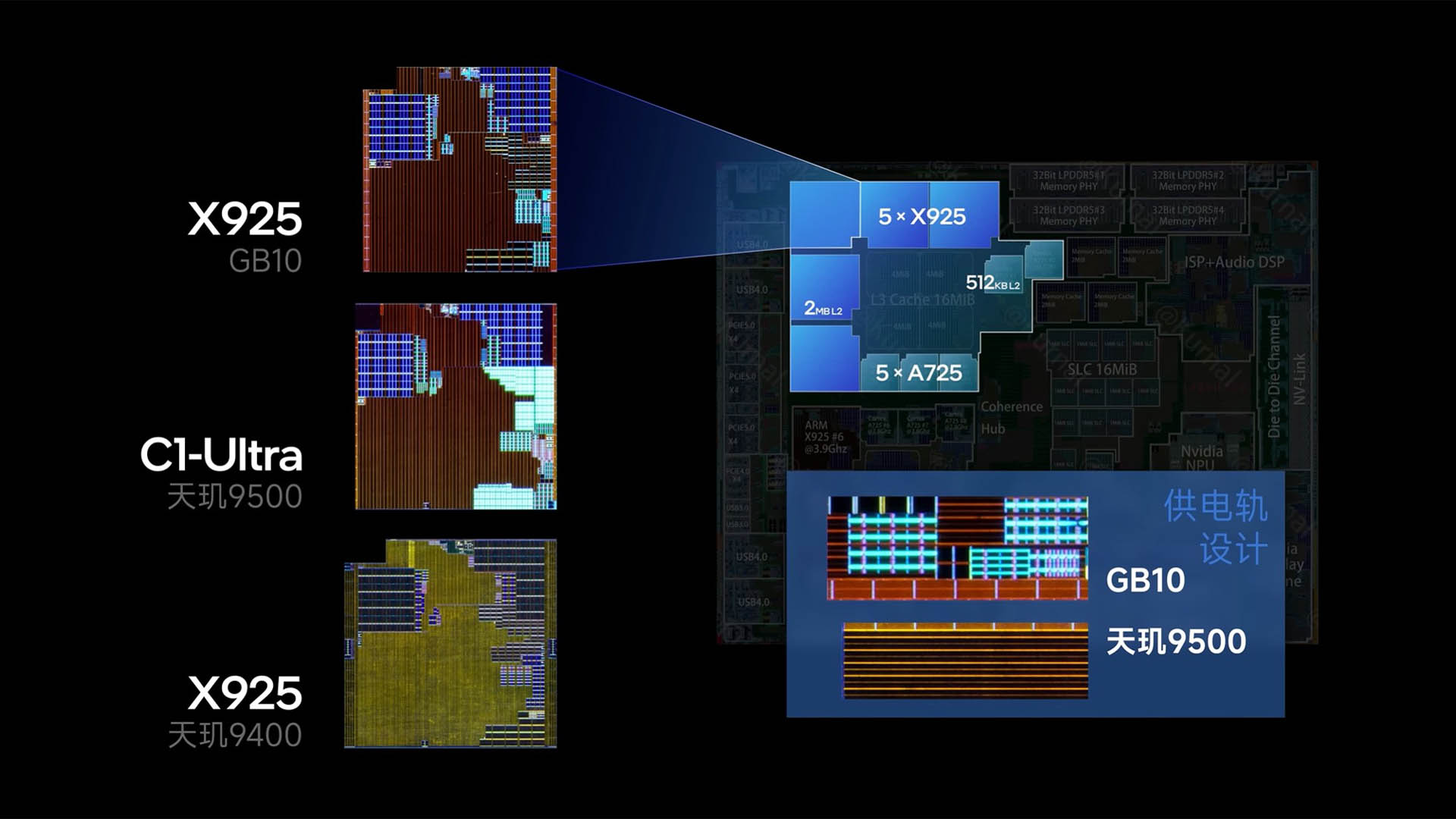
The biggest difference lies in the physical size of the processing cores. Experts from the Geekerwan channel noted that the Cortex-X925 cores on the RTX Spark are smaller in size compared to the original design on previous silicon lines from MediaTek. This miniaturization helps NVIDIA better control transistor density, thereby managing heat more effectively when running heavy applications on hybrid mobile devices or high-end tablets.
Optimizing power rails to maintain high clock speeds on Cortex-X925
To solve the thermal issue when running continuous multi-core tasks, NVIDIA has borrowed an extremely valuable technology. Deep analyses of the circuit diagrams show that RTX Spark has adopted the power rail design from the flagship Dimensity 9500 series. This is a strategic move to ensure the current supplied to the CPU remains stable, helping to maintain high operating frequencies for long periods without dropping due to overheating. This is extremely important for devices like the laptop RTX Spark, where a balance between performance and thermal management is required. Power stability allows the Cortex-X925 cores to operate at peak frequency for longer durations, avoiding performance bottlenecks when users perform heavy graphics tasks such as video rendering or playing AAA games. This is a vital factor in turning a mobile chip series into a true PC performance "monster." Below is a summary table of the technical characteristics applied to the RTX Spark chipset to optimize for the PC environment:
| Technical Feature | Inherited Origin | Practical Benefit on RTX Spark |
|---|---|---|
| Cortex-X925 Core Design | Dimensity 9400 | Optimized area and transistor density |
| Power Rail Design | Dimensity 9500 | Maintains high clock speeds, multi-core stability |
| Power Management Algorithm | Dimensity 9500 | Minimizes thermal throttling during heavy tasks |
The application of features from the Dimensity 9500 helps RTX Spark overcome the thermal limitation barrier, a common issue on ARM chip lines when attempting to run heavy PC applications. Thanks to efficient power distribution capabilities, the Cortex-X925 cores can maintain higher clock speeds, helping to smoothly process graphics software or games that require high CPU computing power. If you are looking for a powerful performance solution, the close collaboration between NVIDIA and NVIDIA RTX Spark promises to go even further in the near future. With breakthrough improvements in core architecture, RTX Spark is not just an ordinary mobile chipset but also an important bridge bringing ARM architecture power to a new level, approaching traditional X86 chip lines. This promises to completely change how we perceive the performance of mobile devices in the near future through the power of Cortex-X925. This shift shows that NVIDIA is making relentless efforts to dominate the PC market with unique hardware solutions, where the combination of high performance and power efficiency is prioritized on every current RTX Spark chip line.