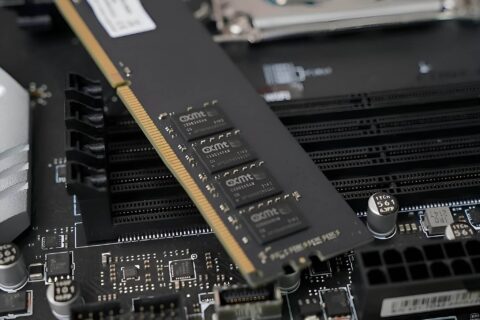
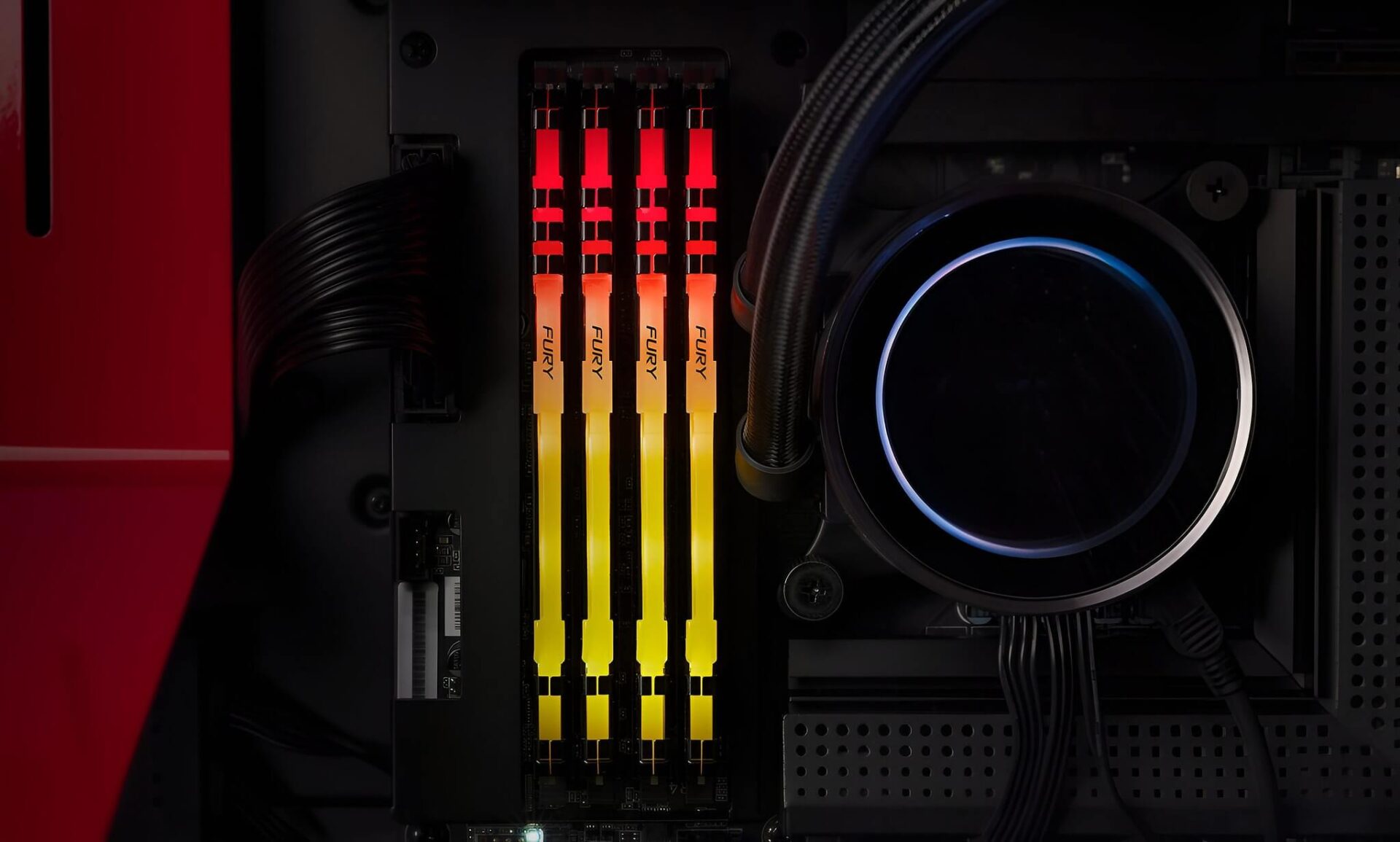
Soaring DDR5 RAM prices are making budget PC builds harder than ever. Major manufacturers such as ASUS are ramping up production of DDR4 motherboards for the AM4 and LGA 1700 sockets to meet market demand. Buyers can find DDR4 components at far more reasonable prices than their expensive DDR5 counterparts. It is a notable trend at a time when PC component costs keep climbing. For many kinds of users, going back to DDR4 motherboards is becoming a practical solution.
Why Are So Many Vendors Returning to DDR4 Motherboards?
The PC component market is going through a significant shift as consumers look for alternatives to DDR5. According to the latest reports from Tom's Hardware, a number of manufacturers are preparing to restart their DDR4 motherboard production lines. The main cause is that prices for DDR5 RAM and SSDs are climbing out of control, making it very hard to keep an entry-level PC build under 1000 USD. Against that backdrop, DDR4 motherboards stand out as a far more economical and viable choice. According to details

It is not just one company. More than half a dozen motherboard and RAM makers are seeing a clear rise in orders for DDR4 products. Two major motherboard manufacturers confirmed to Tom's Hardware that they are speeding up production and will keep that momentum going through the second half of 2026. This lines up with earlier reports about ASUS's plan to expand production of DDR4 motherboards for the LGA 1700 and AM4 sockets. The shift shows that real user demand is reshaping the market, forcing manufacturers to adapt flexibly to DDR4.
AM4 Stays Alive Thanks to DDR4 Motherboards at a Quarter of the DDR5 Price
Turning away from DDR5 for now does not mean users are retreating. It is a smart response to volatile pricing. DDR5 RAM currently costs 4 to 5 times as much as DDR4 modules of the same capacity. That gap makes upgrading or building a new PC needlessly expensive. While DDR5 RAM prices remain high, DDR4 motherboards are still the best option for balancing performance and cost. Users can save a considerable amount and put it toward other components, such as a graphics card or a faster drive, instead of depending on DDR4 motherboards.
AMD's AM4 platform is proving its staying power, surging to nearly 40% market share and competing head-on with the newer AM5 platform. Ryzen 5000 series CPUs such as the Ryzen 5 5500 and Ryzen 5 800XT remain among the top 10 best sellers on Amazon. That shows buyers still trust the performance of older chips when paired with a quality DDR4 motherboard. AMD has also revived the Ryzen 7 5800X3D to mark the 10th anniversary of the AM4 socket, underscoring its long-term commitment to the platform. You can read more about motherboards and related products from ASRock.
| Feature | DDR4 | DDR5 |
| Price | Reasonable, stable | 4-5 times more expensive |
| Socket support | AM4, LGA 1700 | AM5, LGA 1851 |
| Market demand | Surging | Slowing due to high prices |
| Best for | Office PCs, budget gaming | High-end PCs, graphics work |
The situation is similar for Intel's LGA 1700 socket, which has become about as common as LGA 1851 in many regions. Because LGA 1700 comes in both DDR4 and DDR5 versions, manufacturers can easily adjust DDR4 output to meet demand. Users do not have to wait for the latest technology to get a smooth experience, since DDR4 is still more than capable of handling everyday tasks and high-level gaming. It is a clear sign that the market needs a rebalancing of prices after the sharp increases of recent months, and DDR4 motherboards are the key.
The DDR4 trend is expected to keep its strong appeal through the end of 2026.