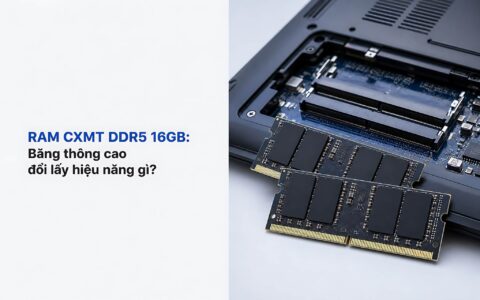

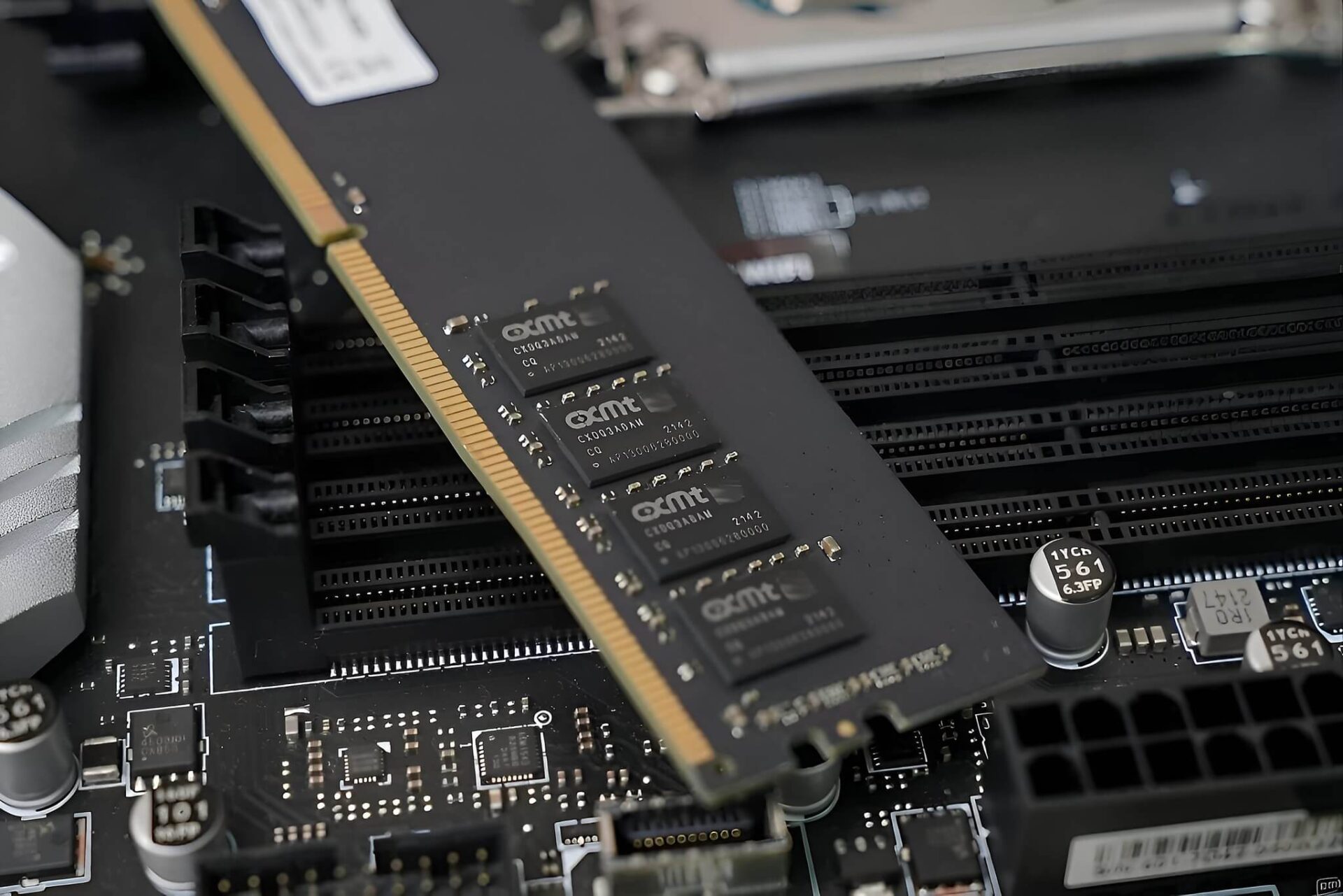
The computer component market has received a significant update as memory manufacturer CXMT confirmed that their DDR5 RAM prices will not be lower than those of their major competitors. This information emerged from Computex 2026, where memory module suppliers asserted that CXMT RAM pricing is on par with Samsung, SK Hynix, and Micron. This development effectively dispels rumors that CXMT would attempt to dominate the global market through aggressive low-cost pricing. Consequently, PC users are unlikely to see a significant price gap for this product line in the near future.
CXMT DDR5 RAM prices to match Samsung and SK Hynix
Amidst a robust recovery in the semiconductor industry, CXMT was once expected to cause a major market shift with ultra-competitive CXMT RAM pricing. However, the reality presented at Computex 2026 paints a completely different picture. Memory module suppliers have confirmed that CXMT RAM is not cheaper than Samsung, SK Hynix, or Micron. CXMT's decision to adopt a pricing strategy equivalent to its rivals, rather than competing on low DDR5 RAM prices, signals a long-term strategic pivot. Instead of engaging in a fierce price war, the company is focusing on quality reputation and supply chain stability.
The future of CXMT RAM performance and pricing
Below is a quick comparison of product positioning and CXMT RAM pricing versus its primary competitors:
| Criteria | CXMT | Samsung / SK Hynix / Micron |
| DDR5 RAM Price | Equivalent to competitors | Market standard |
| Maximum Speed | 8000 MT/s | Over 8000 MT/s |
| CUDIMM/CQDIMM Standards | Not yet compliant | Available |
| Supply Policy | No surcharges | Surcharges may apply |
| Target Market | Entry-level, China | Global, all segments |
CXMT RAM modules are currently validated for the entry-level segment and are prioritized for the Chinese market. However, with Rambus having already reached 9600 MT/s, CXMT's 8000 MT/s speed still leaves a certain gap. If the company can maintain stable this RAM pricing while improving performance to meet new standards, it could become a formidable contender in the global memory industry. Controlling the aforementioned price levels will be the key to penetrating the high-end PC market more deeply. This shift indicates that memory chip manufacturers are prioritizing sustainability over predatory pricing wars. As this product is no longer used as a tool to seize market share at any cost, stability and speed standards will become the deciding factors. End users stand to benefit from a more diversified supply chain, making CXMT RAM more transparent and stable in the near future.