
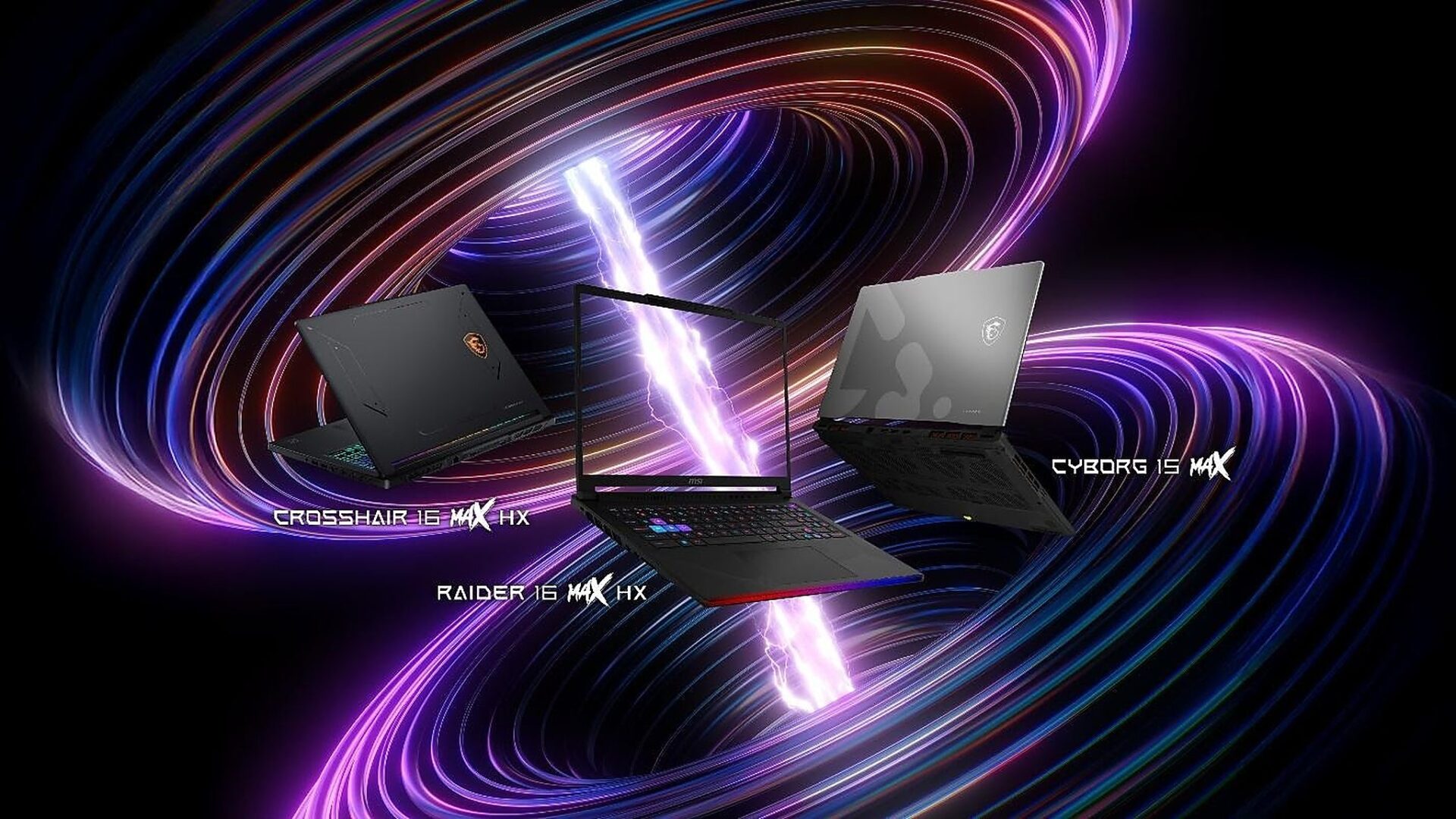
MSI Raider 16 Crosshair 16 has been refreshed by MSI in a way that is easier for gaming laptop buyers to understand: the Raider series pushes performance limits in a 16-inch chassis, while the Crosshair serves as a new, more accessible configuration. According to information from WCCFtech, both adhere to the RTX 50 Laptop GPU generation and Intel's high-performance CPU group, but they differ significantly in power wattage, display, and target user segments. Therefore, this isn't just news for those who want to admire the RTX 5090 for fun. For those planning to upgrade their machine in 2026, the more important takeaway is that MSI is prioritizing sustained performance, cooling, and segmenting configurations based on actual needs.
The new Raider 16 is noteworthy as MSI pushes performance limits in a 16-inch chassis
The most exciting part lies in the Raider lineup. MSI states that the Raider 16 Max HX can push the total CPU and GPU power up to 300W, while the standard Raider 16 ranges from 215W to 250W depending on the configuration. For gaming laptops, this is a much more important fact than marketing claims about clock speeds, as it determines whether the machine can maintain performance during heavy gaming or long rendering sessions. If you have ever been frustrated by a thin, beautiful laptop that loses steam after a while under heavy load, the new approach for this MSI lineup hits the mark for gamers' actual needs.
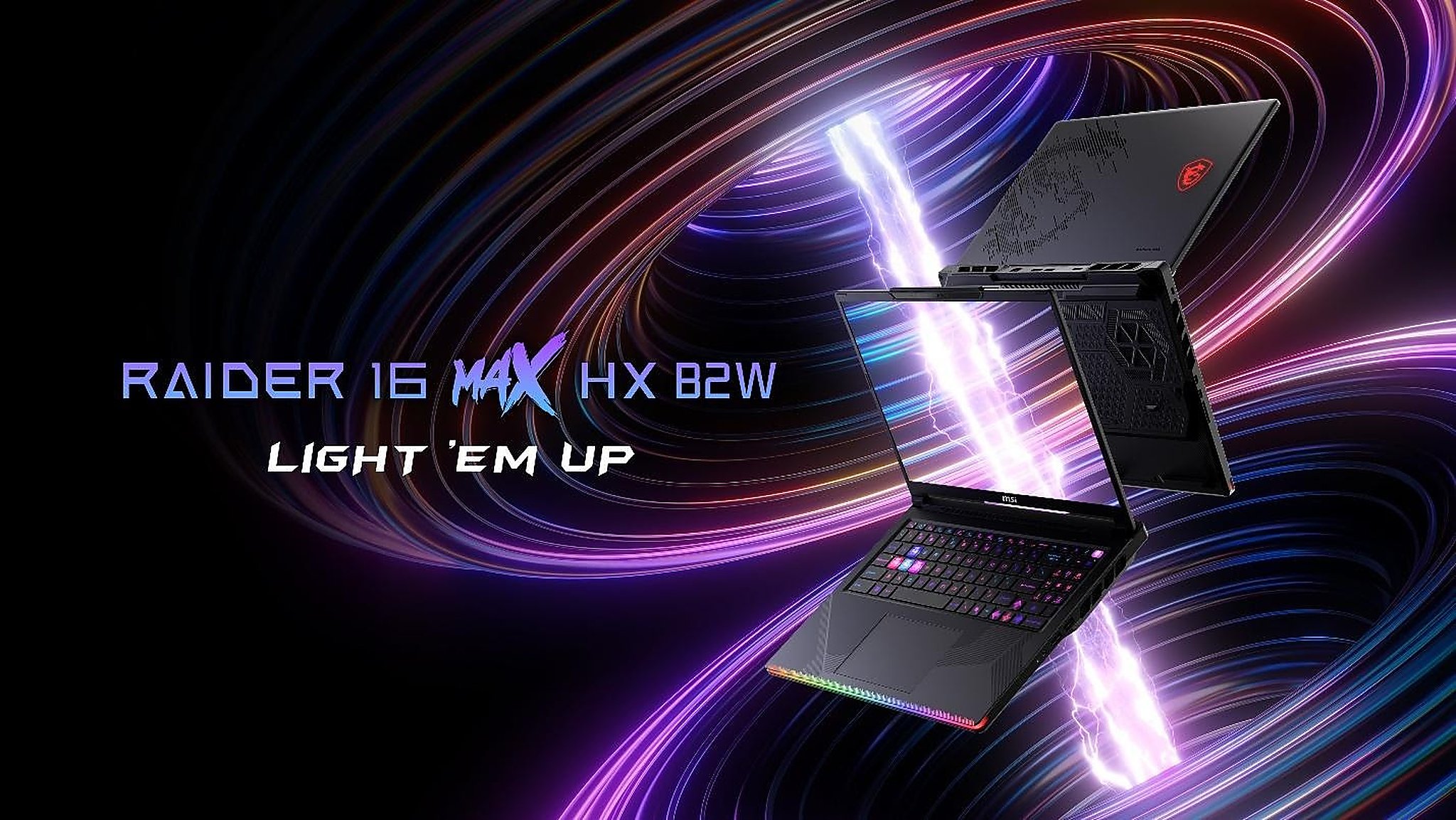
According to the official announcement on April 15, 2026, the Raider 16 Max also features three fans, six heat pipes, five exhaust vents, a 91.8Wh battery, up to 128GB RAM, and two M.2 SSD slots. The Max version comes with an RTX 5080 or RTX 5090 Laptop, while the standard Raider 16 uses a Core Ultra 7 251HX, 255HX, or Core Ultra 9 275HX paired with an RTX 5070 Ti or RTX 5080. This shows that the Raider isn't just a single, extremely expensive model for show, but spans from practical high-end configurations to near-desktop replacements. If you have seen the Core Ultra 7 251HX appearing in gaming laptop leaks, the new Raider series is the clearest example of this chip entering high-performance machines.
Who is the Crosshair 16 for, and what should buyers look for before spending money
The Crosshair 16 is the part most likely to cause confusion if you only skim the headlines. The Crosshair 16 Max has moved to the Core Ultra 200HX and RTX 5060 or RTX 5070 Laptop, but the standard Crosshair 16 still uses the Core i7-14650HX or Core i9-14900HX with the RTX 5050, RTX 5060, or RTX 5070. In return, MSI maintains this line's advantage with a thin chassis of about 21.9 mm, a maximum total power of 200W, and a 2.5K 165Hz OLED display option. In short, this group of machines is suitable for those who want to play AAA games seriously but do not yet need to step up to the thick, heavy, and expensive machines like the Raider.
| Series | Key Specifications | Display | Target User Group |
|---|---|---|---|
| Raider 16 Max | Core Ultra 9 290HX Plus, RTX 5080/5090 | 16 inch 2.5K OLED 240Hz | AAA gamers, streamers, users needing very high sustained performance |
| Raider 16 | Core Ultra 7 251HX to Core Ultra 9 275HX, RTX 5070 Ti/5080 | 16 inch 2.5K 240Hz IPS | Users wanting a premium gaming machine without needing the Max version |
| Crosshair 16 Max | Core Ultra 200HX, RTX 5060/5070 | 16 inch 2.5K OLED 165Hz | Users prioritizing a balance between performance and mobility |
| Crosshair 16 | Core i7-14650HX or i9-14900HX, RTX 5050/5060/5070 | 16 inch 2.5K 240Hz IPS | Users wanting to enter the RTX 50 ecosystem at a more affordable cost |
The first thing you should examine is not whether it is a Raider or a Crosshair, but rather which specific variant, what the power wattage is, and what display is included. The Raider 16 Max stands out by attempting to squeeze a near-desktop experience into a 16-inch frame, while the Crosshair 16 Max is suitable for those who want a more compact machine that still has enough power to run new games at high settings. In summary, MSI Raider 16 Crosshair 16 is noteworthy because MSI has defined the roles more clearly: the Raider targets peak performance and massive cooling, while the Crosshair provides an entry point for gamers who want new configurations but still care about thinness, price, and portability for daily use.