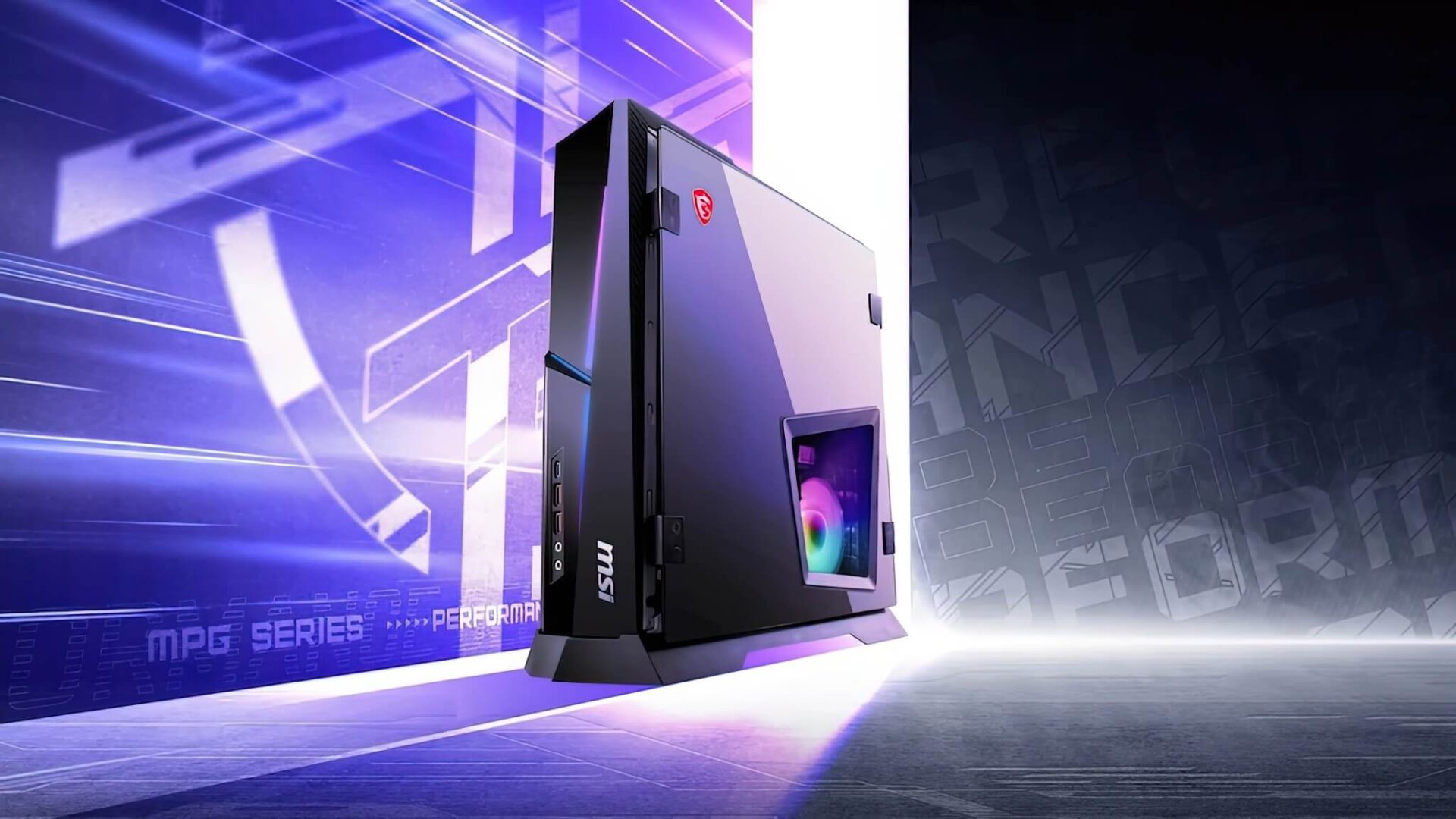
The PC hardware market is about to go through a brutal round of price swings as MSI officially announces plans to raise prices by a record amount. The root cause is no mystery: the expansion of artificial intelligence (AI) companies. Big tech players are racing to snap up memory chips straight off the production line, choking supply for individual consumers and sending prices soaring. 2026 is shaping up as a punishing year for the wallets of PC users. If you plan to upgrade your computer in the near future, MSI's strategic changes below are worth paying close attention to so you can budget wisely.
MSI's Product Strategy and Its Push for More Flexible Motherboards
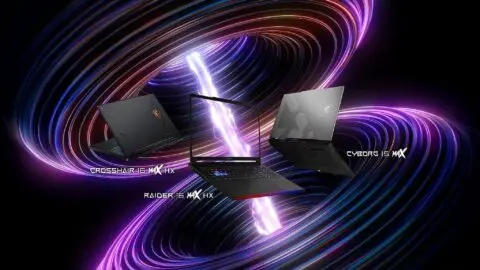
The biggest takeaway from the recent report by MSI's CEO is a plan to raise PC product prices by 15 to 30%. It is a make-or-break decision, since the cost of input components, especially RAM and SSDs, is skyrocketing. To adapt, MSI has made a bold choice: focus its resources on the high-end segment and sharply cut back on budget product lines. That means the "good, solid, and cheap" options will gradually disappear from store shelves, making room for expensive gaming and workstation rigs. In practice, if you are looking for a mainstream PC, it will get much harder to find one, as manufacturers give priority to scarce components for high-margin products.
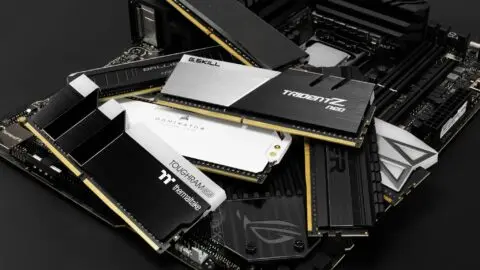
That is not all. MSI is also trying to ease the financial burden on users by upgrading its motherboard lines to support both DDR5 and DDR4 memory modules. It is a very practical solution that lets you choose between the newest RAM standard and reusing the older standard, which is priced more kindly. Having both standards on the same platform means you are not locked into expensive DDR5 memory, which sits at the center of the price storm, and you can make the most of your budget when building a new system. The best part of this strategy is how well MSI understands its customers, as it tries to keep a money-saving option open for users amid widespread component inflation.

Shifting its focus to premium products is an inevitable move for MSI after 40 years in business in Taiwan. With a broad range of products from graphics cards to servers and automotive solutions, the company has to rebalance its entire supply chain. Concentrating on top-tier products not only helps MSI sustain revenue but also ensures the most carefully selected components for users. To help you work with sharper, more professional results, the new premium lines are expected to include the most optimized cooling technologies to justify the new price on the receipt.
MSI's Fight for Survival Amid the AI-Driven Memory Chip Famine
Looking closely at performance and hardware power, the current memory chip crisis is directly affecting every storage device. Even companies like HP have had to admit that production costs are surging. Even graphics cards, long an MSI strength, are running into trouble as Nvidia pours its effort into data center AI processor chips, leaving the supply of gaming GPUs about 20% short of real demand. That explains why prices of mainstream graphics cards are unlikely to cool off in 2026, forcing users to weigh long-term value carefully rather than chase flashy specs.
To secure a sustainable supply, MSI has moved to long-term agreements of 3 to 5 years with chip foundries. At the same time, the company is putting its weight behind the server business, targeting annual revenue growth of up to 100%. MSI hopes AI infrastructure will be the lever that offsets the decline in the traditional PC segment. In practice, even though it has launched an AI chatbot, EZ PC Builder, to help customers, the community response has not been very encouraging. It shows that although AI dominates the components market, getting it to truly serve the user experience well is still a long road for MSI.
MSI's strength in 2026 will depend on its ability to keep customers in the premium segment. Its commitment to quality on multi-standard motherboards shows the company's effort to protect users' interests. For tech enthusiasts, understanding the difficulties in the supply chain will give you a more objective view of the new prices, and help you make smarter upgrade choices based on the flexibility MSI offers in its newer products.