
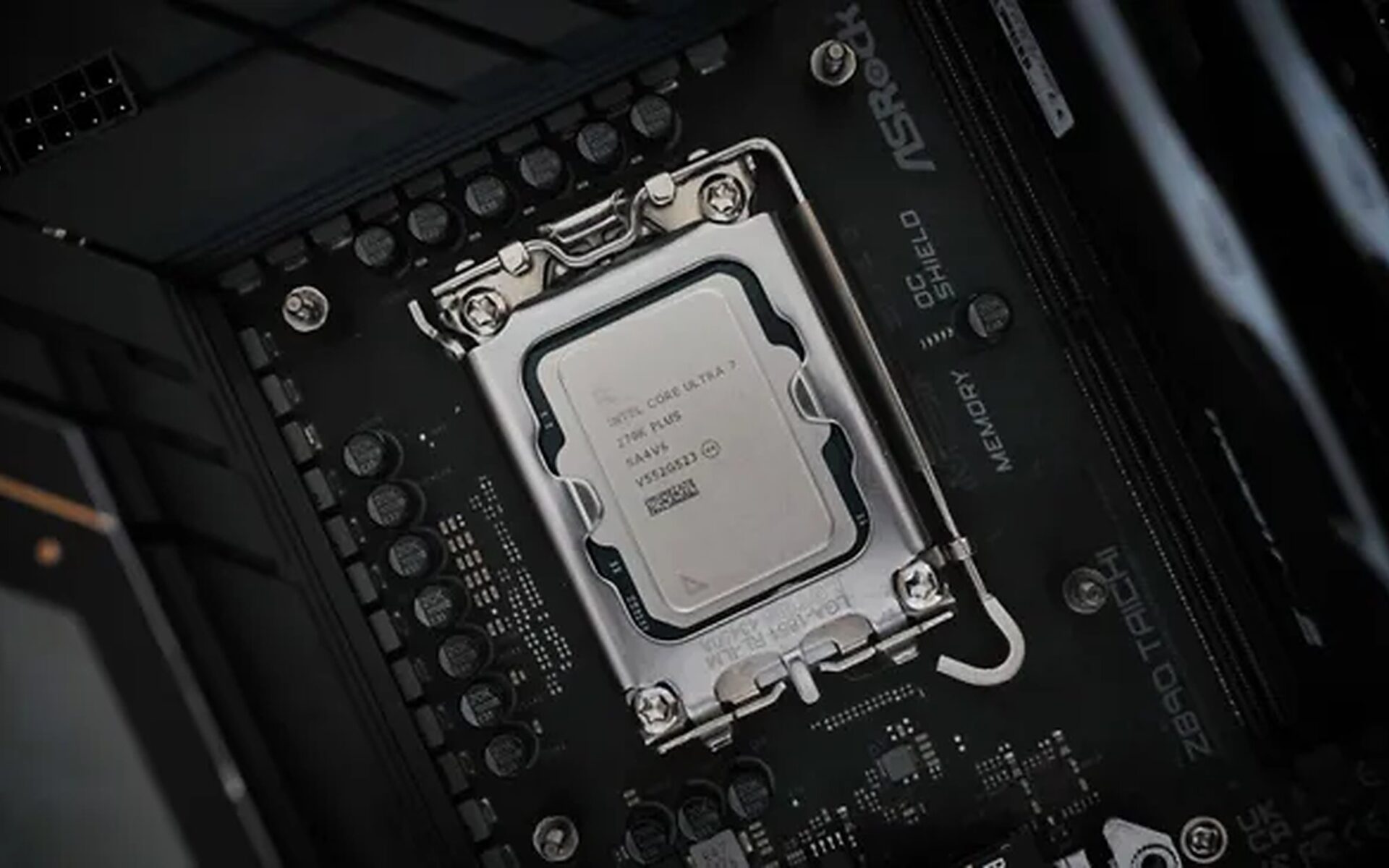
Intel is attempting to shift the gaming performance debate toward a less noticed factor: software. According to a report by Tom's Hardware, Robert Hallock, Intel's Vice President of Enthusiast Group, claims that many current games still leave 10% to 30% of CPU performance untapped because they are not properly optimized for hybrid architecture. For gaming laptop or high-performance laptop users, this detail is significant because most modern Intel machines use a mix of P-cores and E-cores. This also means that the gaming experience is determined not just by hardware, but also depends on the game engine, Windows, BIOS, and drivers.
Why Intel believes games have not yet fully utilized hybrid CPUs
In a discussion with PC Games Hardware, Hallock refuted the view that simply disabling E-cores will make games run better. According to Intel's argument, the raw performance gap between P-cores and E-cores in many situations is not excessively large; what causes a significant difference in experience is how games distribute workloads and how the operating system schedules tasks. In short, hybrid CPUs are not necessarily a weakness; the issue is whether software has kept pace with that architecture.
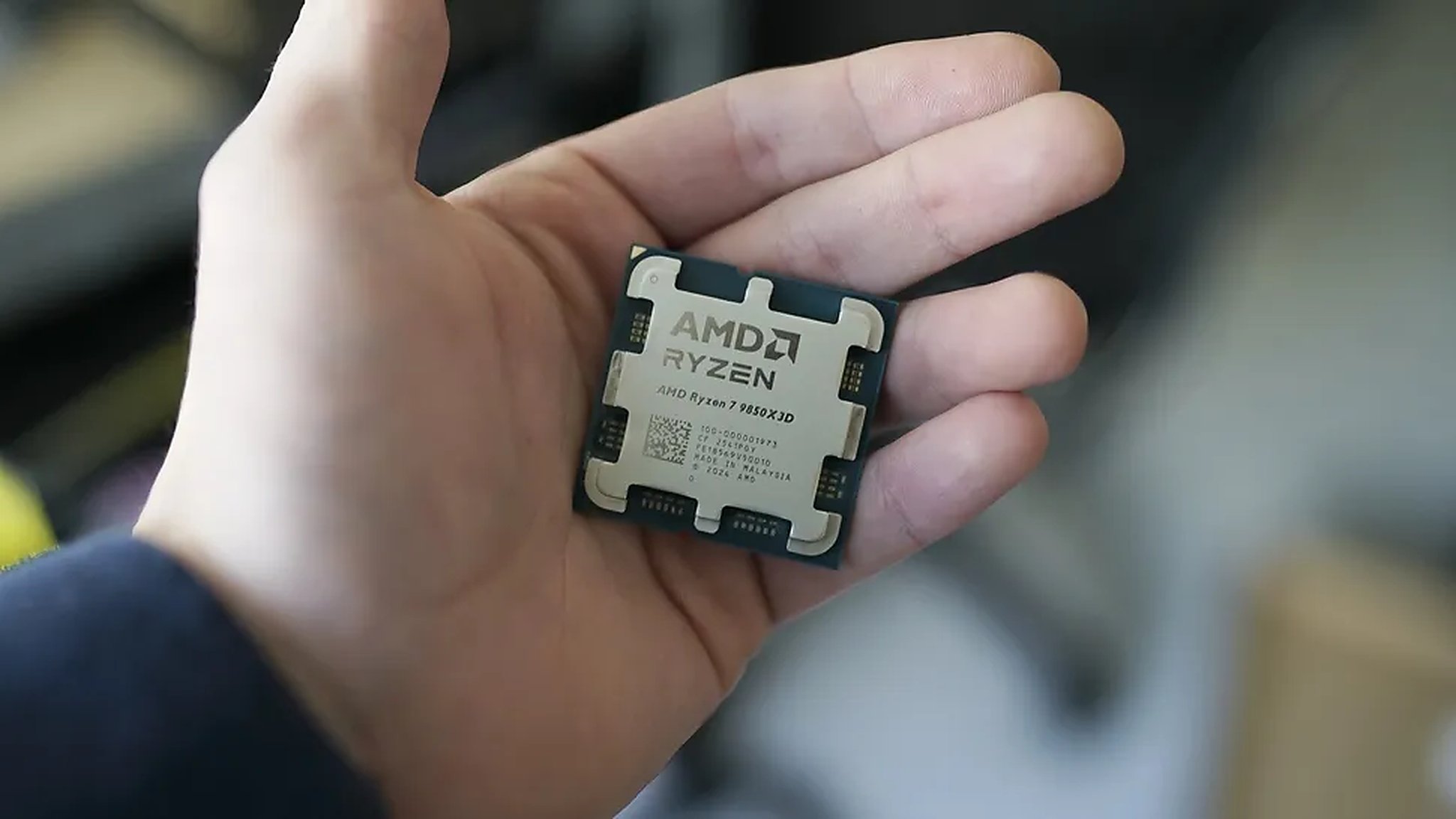
This is linked to the context where Intel's first hybrid chip generations once gave the impression that only P-cores were reliable, as Thread Director, the Windows scheduler, and the underlying hardware at that time were not yet mature. After several generations, Intel believes the larger bottleneck has shifted to game optimization. However, the 30% figure should be understood as the amount of performance wasted in certain CPU-bound scenarios, especially in high-FPS 1080p eSports games, rather than a promise that every laptop will gain that many frames after a single update.
How gaming laptop buyers should view this story
For gaming laptop buyers, the important message is not to wait for perfect software before spending money, but to stop viewing the CPU as the sole factor. A laptop model with a more powerful Intel chip on paper can still feel less stable in gaming if the BIOS is poor, the RAM is mismatched, the cooling is weak, or the manufacturer is slow to provide updates. Conversely, a more balanced configuration that is well-optimized can sometimes maintain more consistent FPS and fewer stutters during long gaming sessions.
| What to look for | Real-world significance |
| Hybrid CPU | Not all games utilize P-cores and E-cores equally well. |
| BIOS, driver, Windows | Software updates can improve stability and sometimes even FPS. |
| 1080p, high FPS | This group is more likely to reveal CPU limitations than 1440p or 4K. |
| Cooling, RAM | These two factors determine how long the machine can maintain performance. |
This also explains why Intel is simultaneously pursuing hardware-based performance boosts like Nova Lake bLLC cache. Larger cache can help games become less dependent on data access latency, but that is only half the equation. If the engine does not know how to properly utilize the different core groups, the available performance from the hybrid CPU will still be left behind.
For modern Intel laptop users, including those starting to transition to Core Ultra Series 3, a more reasonable approach is to examine the entire platform rather than just counting cores. Prioritize machines with regular BIOS update schedules, stable drivers, sufficient cooling, and real-world benchmarks on the specific types of games you play frequently. Buyers looking for long-term eSports gaming should also look at how manufacturers optimize power, thermal limits, and fan profiles, as these factors can easily make the actual experience differ greatly from the spec sheet. A good BIOS can sometimes make a more noticeable difference than simply upgrading the CPU on paper. Intel's statement does not mean that all previous criticisms of hybrid CPUs were wrong, but it clearly serves as a reminder that gaming performance in 2026 is a story of both hardware and software.