
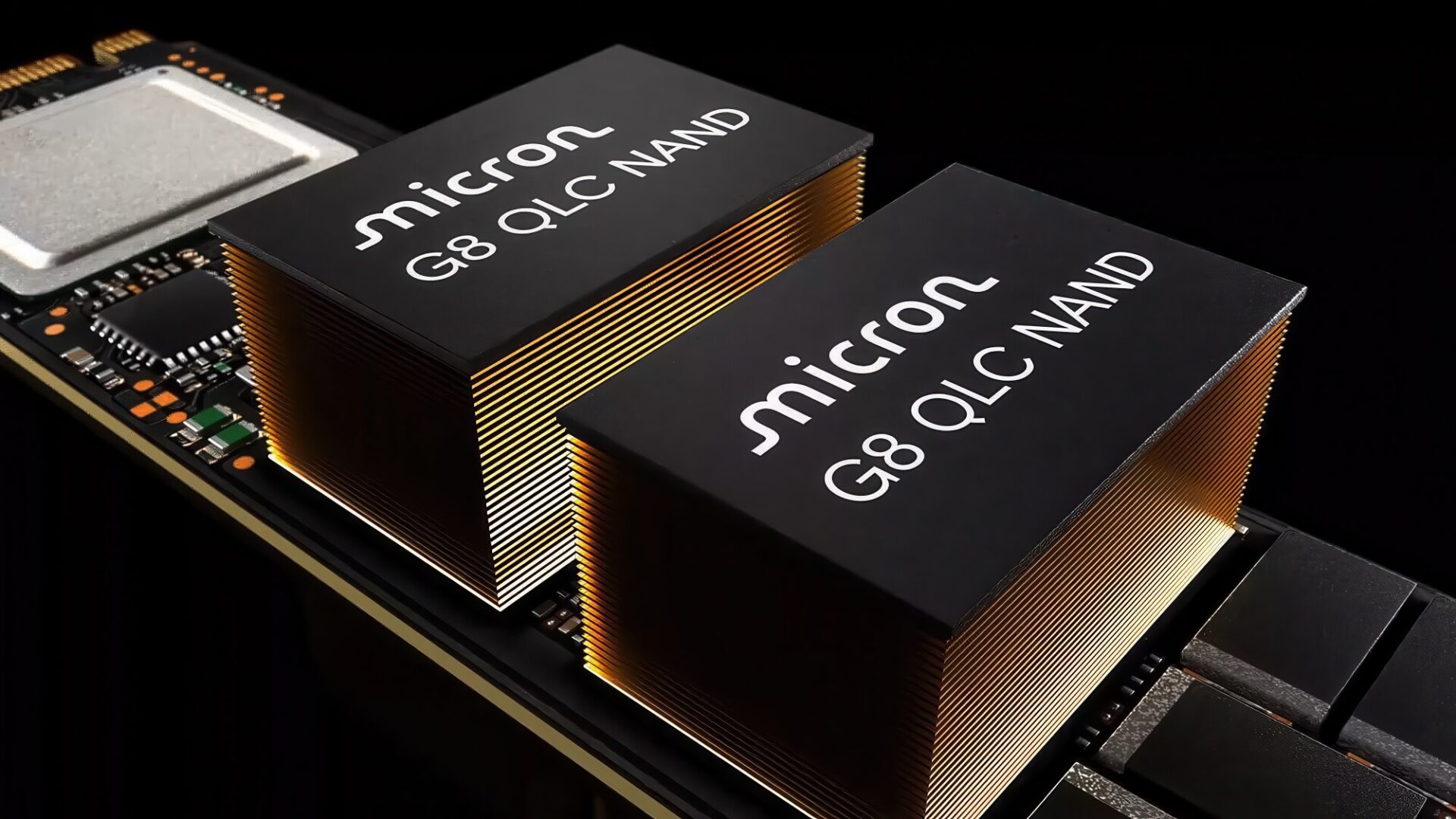
SSD prices are facing a potential shortage due to the surge in Artificial Intelligence (AI) demand. The AI boom has triggered a supply crisis, with delivery times for enterprise HDD drives extending to over two years. To cope, data centers are shifting toward stockpiling QLC NAND SSDs, driving up component costs and putting immense pressure on the consumer SSD supply. Observers predict this shift will soon trigger a major shortage in the retail market, forcing individual users to face record hardware prices.
QLC SSD surpasses TLC: A major shift in the memory market
Analysts believe that as AI companies pivot to massive QLC adoption, this type of memory chip will overtake TLC in total sales by early 2027 - marking a massive shift in the SSD market. Reports also note that AI companies have begun stockpiling QLC NAND ahead of an expected shortage, leaving the production capacity of several manufacturers fully booked through the end of 2026. This highlights the intensity of the AI race, where companies are striving to secure component supplies at any cost.
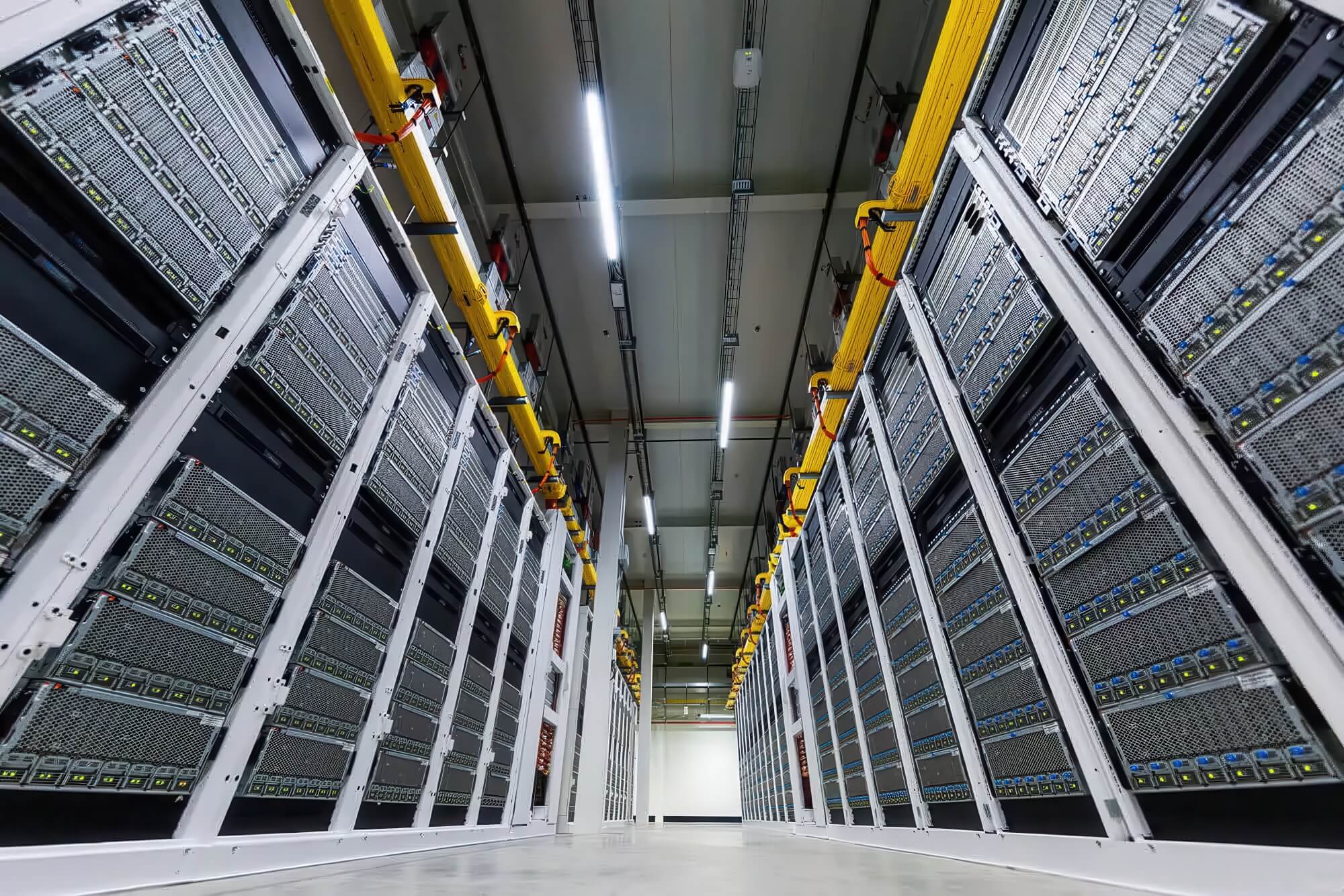
The rapid growth of the AI sector and the race toward Artificial General Intelligence (AGI) has placed immense pressure on the infrastructure supporting hyperscale data centers. Beyond GPUs and accelerators, this wave has driven unprecedented demand for every layer of PC hardware - from CPUs and memory to high-speed networking and large-scale storage arrays.
Cost pressures and scarcity spreading to DRAM
Surging demand has caused component prices to spike abruptly. DRAM prices have risen nearly 50% in recent weeks. Reports indicate that AI data center operators in the US and China are currently receiving only about 70% of their DRAM allocations, even after agreeing to pay inflated prices. This demonstrates that the shortage and price hikes are not limited to storage but are also spreading to random-access memory.
A previous report from DigiTimes noted that demand for standard DDR5 RDIMMs (server RAM) has now exceeded supply, as major chip manufacturers like Samsung and SK Hynix shift production from consumer markets to higher-margin AI components. As a result, consumers and non-AI specialized companies are facing a double shortage: both RAM and SSD scarcity.
This situation further strengthens the position of memory chip manufacturers, allowing them to control prices and prioritize AI customers. Meanwhile, standard PC manufacturers and consumers will have to face a volatile component market and increasingly higher PC assembly costs.