
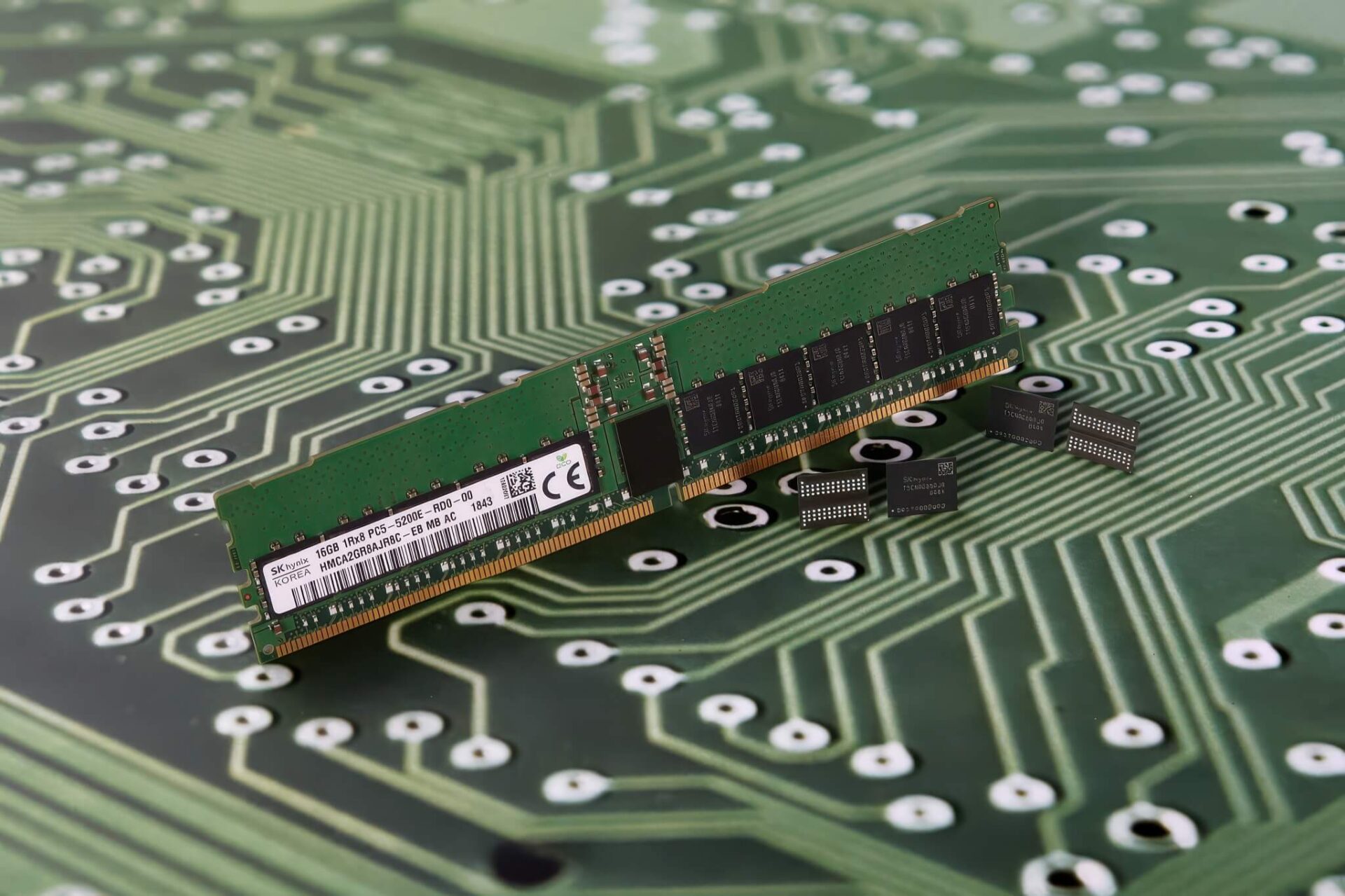
The DRAM memory industry is experiencing a major "supply shock." This has driven manufacturers to stockpile inventory, entering a phase of panic buying. According to a report from DigiTimes, major computer manufacturers such as ASUS and MSI have been "buying aggressively on the spot market" for consumer memory.
This situation is occurring due to a surge in DRAM demand, primarily driven by the construction of massive data centers serving Artificial Intelligence (AI). This signals that the memory shortage is expected to persist at least until 2027, causing RAM prices to remain high for a long period.
DRAM Memory Crisis: Supply Depletion Through 2027
It appears the DRAM segment has witnessed a significant increase in demand, driven by the expansion of large AI data centers. As a result, both suppliers and customers are rushing to stockpile their inventories in preparation for the expected shortage. The fact that manufacturers like ASUS and MSI must purchase large quantities on the spot market is a clear sign that official (contractual) RAM supply has tightened to an alarming level.
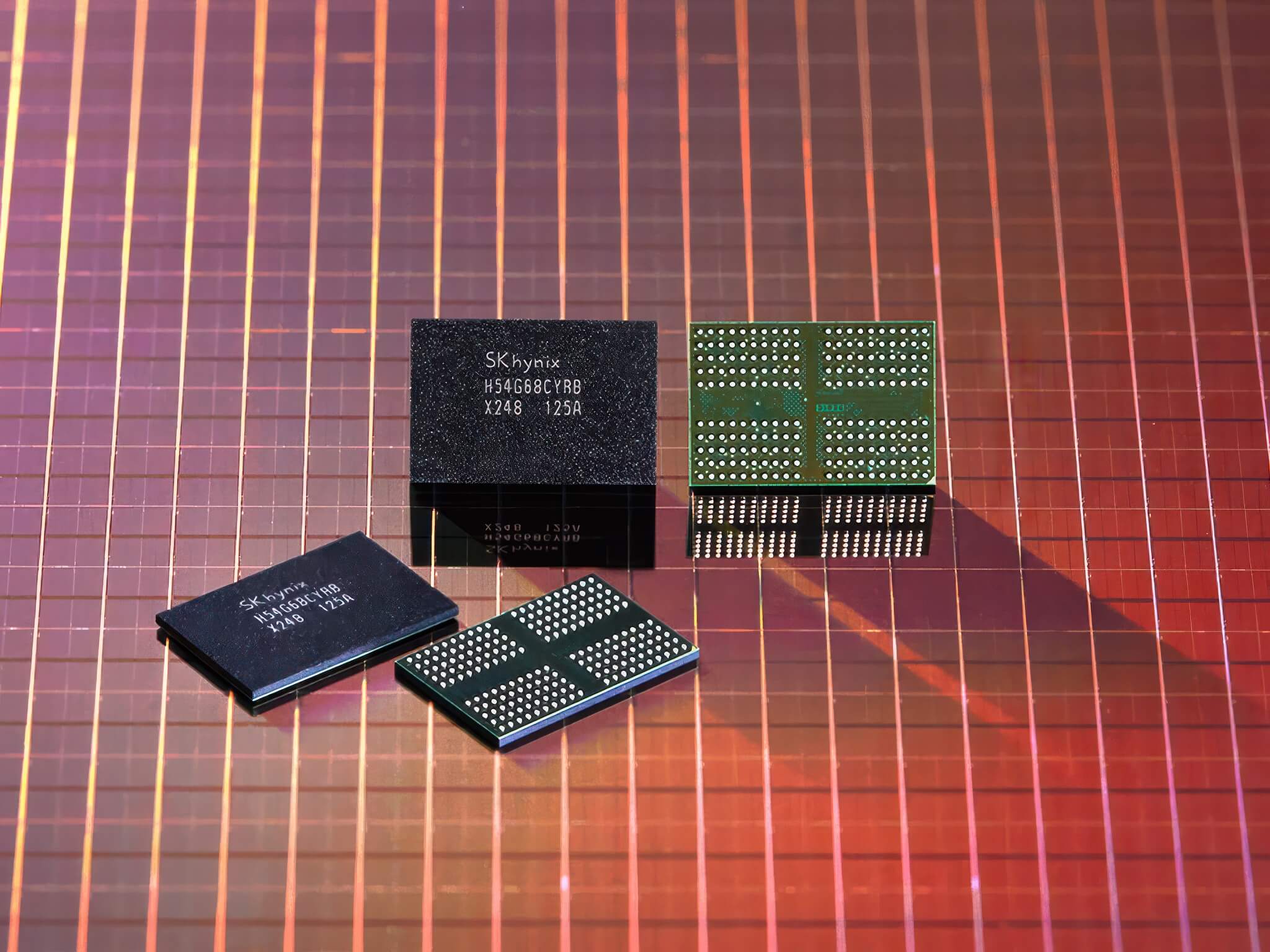
Cloud Service Providers (CSPs) are actively seeking to secure supplies of RDIMM modules (server RAM), while demand for High Bandwidth Memory (HBM) has reached new peaks due to the high demand for AI computing power. Notably, this trend is predicted to continue for many quarters to come. This is not good news for the consumer PC market, where companies are competing with cloud giants for component supplies.
In a recent report, we delved into ASUS's expectation that consumer product prices will increase if the DRAM shortage persists in the coming months. This is because inventory levels are estimated to last only "a few weeks" due to unforeseen DRAM supply constraints. Additionally, many suppliers have simultaneously stopped providing new quotations, adding further chaos to the market.
The Root Causes of the Shortage and Shifts in RAM Production
It is important to note that one of the reasons this shortage may last longer than expected is that the DRAM industry was already in a "downtrend" before the AI boom exploded. As a result, major suppliers like Samsung and SK Hynix had reduced their DRAM production capacity to maintain profitability.
Now, with the sudden surge in demand, the supply chain is having to readjust to meet the required additional production capacity. This process takes at least several months to implement and is still facing difficulties. For suppliers, this massive demand is actually a significant benefit.
But for the average consumer, it can be more accurately said that the DRAM shortage is a "nightmare," especially because it will affect the prices of related consumer devices. This shortage signals a difficult period for users looking to upgrade their PCs in 2026 and 2027.