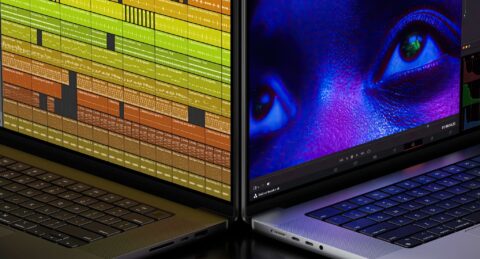
It looks like tech giant Apple is quietly preparing a dramatic overhaul of its premium standalone display line. Recently uncovered data suggests an upgraded version of the Studio Display is in development and is set to launch alongside the next-generation Mac Studio in 2026. The most notable detail in this leak is that the device will be powered by the A19 processor, promising a major performance jump over the current model. On top of that, Apple will most likely switch to advanced Mini-LED technology, bringing the display quality of this monitor level with the latest MacBook Pro models.
Display Upgrade Brings a 120Hz Refresh Rate and HDR
The finding comes from an unreleased internal build of iOS 26, which contains key clues about a major overhaul of the Studio Display, Apple's premium desktop monitor. The respected tech outlet Macworld got access to the code and examined it, turning up plenty of evidence that backs up rumors that have been circulating for some time. Specifically, references in the iOS 26 code identify new specifications for a standalone display, including important hardware upgrades that bring the Studio Display closer to the standard of the company's high-end laptop screens.
In the code, the device carries the codename J527. The label is a familiar one, previously mentioned by Bloomberg's Mark Gurman in his March 16 newsletter. These references outline the two most valuable upgrades users are hoping for: a variable refresh rate of up to 120Hz and support for high dynamic range (HDR).

To see why this upgrade matters, it helps to look back at the current Studio Display. The model on sale today tops out at a 60Hz refresh rate and has no HDR at all. That leaves a sizable gap in viewing experience between the Studio Display and the stunning Mini-LED panels on modern MacBook Pro models. For professionals who demand the highest image accuracy, the shortfall has long been a drawback.
Moving to a 120Hz refresh rate means the new display would reach ProMotion-level responsiveness. That would be a big benefit for animation, smooth scrolling, and above all high-frame-rate content creation workflows. At the same time, the addition of HDR support suggests Apple plans to use an entirely new panel technology, most likely Mini-LED. This type of display has the clear advantage of higher sustained brightness and noticeably better peak luminance for highlights.
For a quick comparison, Apple's current Studio Display reaches only 600 nits of brightness and is limited to standard dynamic range (SDR). The latest MacBook Pro models, meanwhile, can hit 1.000 nits of sustained brightness and up to 1.600 nits when showing HDR content. If Apple really does bring its next-generation display in line with these standards, image quality would take a meaningful leap over its predecessor. Macworld also notes that the code explicitly references the J527 device running in both SDR and HDR modes.
Power From the A19 Chip and the Expected Studio Display 2 Timeline
If the leaked code is accurate, the upgrade goes beyond the panel: Apple would also overhaul the "internals" of the Studio Display. The new monitor is expected to use Apple's A19 chip, replacing the rather dated A13 chip in the current model. Many people may wonder why a monitor needs such a powerful processor. Although the display doesn't run standalone apps like an iPhone or iPad, its built-in processor plays an important role in handling webcam image processing, the speaker system, and Spatial Audio.
The newer A19 chip would not only improve computational photography for the built-in camera, making video calls sharper and better looking, but also give Apple more room to develop smart features in the future. That should keep the display from becoming outdated too quickly in terms of processing technology.
Earlier, Mark Gurman reported that Apple is developing two displays in parallel, one with the codename J427 and the other J527, and that the company has not firmly decided which one will launch or when. Apple may be weighing different form factors, or one of the two displays may ultimately be positioned as a replacement for the ultra-high-end Pro Display XDR. Still, the latest findings from Macworld suggest that the J527, at least, is making clear progress in internal development, with a far more ambitious feature set than the current Studio Display.
The code data also hints that Apple is aiming for a 2026 launch. If that release window holds, Studio Display 2 could arrive at the same time as the next-generation Mac Studio. The pairing promises to reset Apple's standalone display lineup with improvements users have wanted for a very long time, delivering a complete display solution for the Mac ecosystem.