
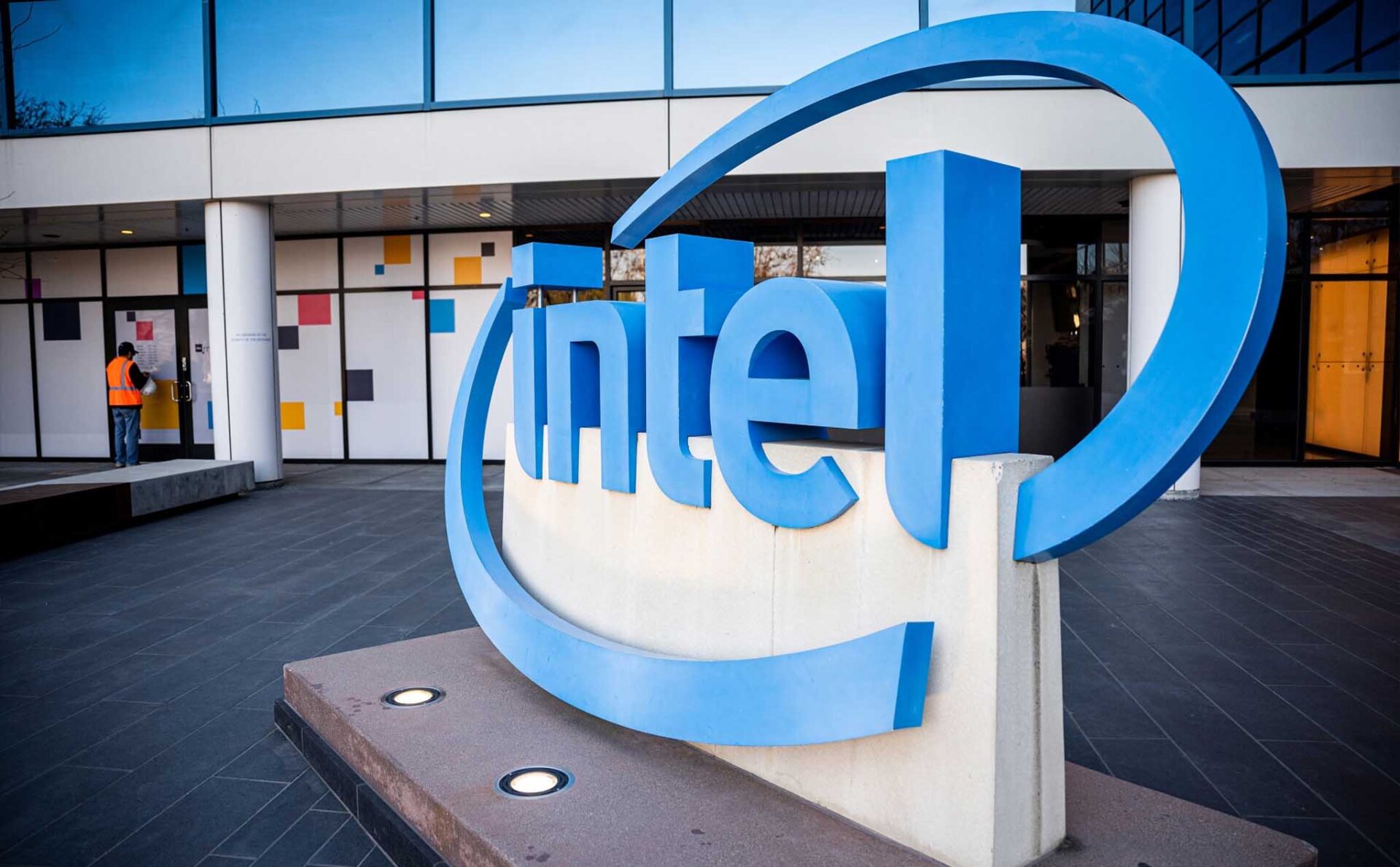
Intel lost $40 billion in market value in a single day.
The market reacted extremely harshly when Intel announced unfavorable business results on August 1st. The company's revenue decreased by 1% year-on-year, and they reported a net loss of $1.6 billion, compared to a profit of $1.5 billion in the same period in 2023. Pat Gelsinger, CEO of Intel, shared in an email to employees that operating costs are too high while profit margins are too low. As a result, Intel has decided to cut 15,000 jobs and suspend the dividend payments they have maintained since 1992. Intel's stock price has dropped nearly 30% since the announcement of the business results.
Since taking office, Gelsinger has strived to bring Intel back to its former glory; the US government also desires to revive the chip manufacturing industry in the country. However, recent revenue has warned of Intel's serious lag behind Nvidia and TSMC, as well as the long period required for Intel to catch up with its industry rivals.

Intel has held a dominant position in the global chip manufacturing sector for decades. During the 1990s and early 2000s, the company dominated the personal computer market thanks to its partnership with Microsoft in the "Wintel" alliance. However, a series of mistakes has caused Intel to lose its competitive edge. Focusing primarily on personal computers led to missing opportunities in developing chips for mobile phones, a booming sector. While many of Intel's competitors shifted to a "fabless" model-meaning chip designers outsource their manufacturing processes to TSMC-Intel maintained in-house chip production.
In the mid-2010s, consecutive manufacturing errors slowed the rollout of new processors, leading to a gradual loss of market share to AMD in the core CPU segment. Notably, Intel has almost no presence in the rapidly growing Artificial Intelligence (AI) chip market, where Nvidia currently dominates and is also the world's most valuable semiconductor company.
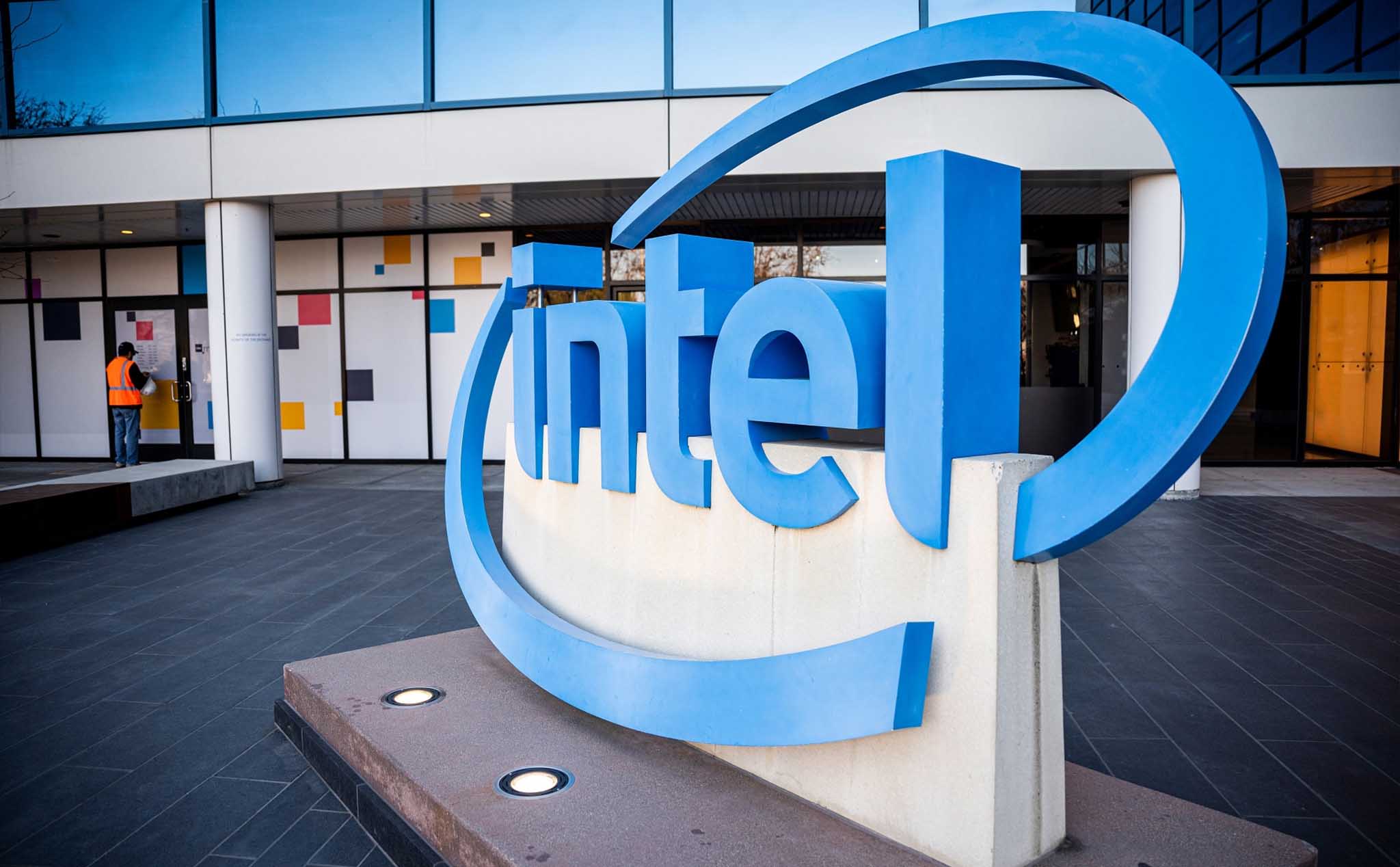
Gelsinger clearly understands the current situation. Immediately after taking office as CEO in February 2021, he initiated the separation of design and manufacturing into two independent business sectors. This allows the product division to select the most suitable foundries for its needs, while simultaneously helping Intel's factories serve various types of chips. Gelsinger hopes that Intel's manufacturing operations will grow strongly, surpassing competitors in the chip industry. He has committed that Intel will become the second-largest chip manufacturer globally by 2030, trailing only TSMC.
With this strategy, Intel is striving to catch up with competitors on two fronts: as a leading designer competing with Nvidia and AMD, and as a chip manufacturer competing with TSMC. The first task seems to face many challenges. Intel is lagging in the AI chip design field. This year, they expect revenue of approximately $500 million from Gaudi AI chips. In comparison, Nvidia achieves $20 billion in revenue from AI chips every quarter.
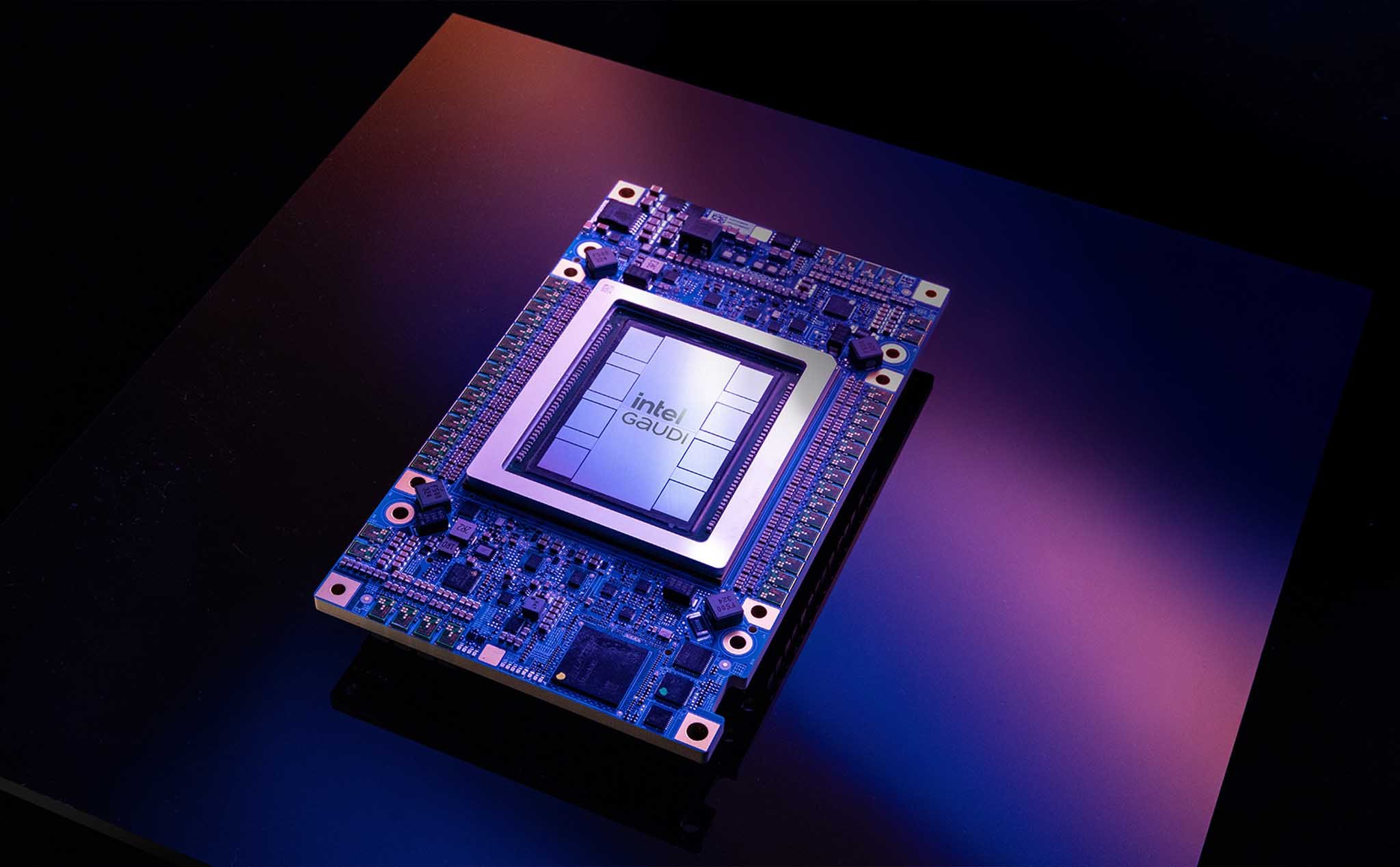
Furthermore, success in the AI chip sector relies on more than just the chips themselves. Nvidia provides networking equipment to connect hundreds or thousands of its processors together. The company also owns CUDA, a software platform that helps customers optimize their chips. Due to insufficient investment in the AI field, Intel faces difficulties in keeping pace.
In its efforts to develop the chip manufacturing business, Intel is making several large investments. They plan to spend $100 billion over the next 5 years to build and expand new and existing factories in the US. To turn its ambitions into reality amidst slowing growth, Intel is seeking external capital and incentives. In August 2022, Brookfield, an infrastructure investor, agreed to cover up to 49% of the construction costs for a new $30 billion facility in the US. This past June, Apollo, a private equity firm, invested $11 billion in similar equity at Intel's chip manufacturing plant in Ireland. Intel also received benefits from an $8.5 billion grant and up to $11 billion in loans from the US government.
However, it is noteworthy that revenue from chip manufacturing activities remains low, and demand for their flagship products has almost not increased. Therefore, Intel will need to continue seeking new sources of capital or mobilizing more subsidies. Both Intel and the US government are facing a major challenge ahead.
According to Economist.