
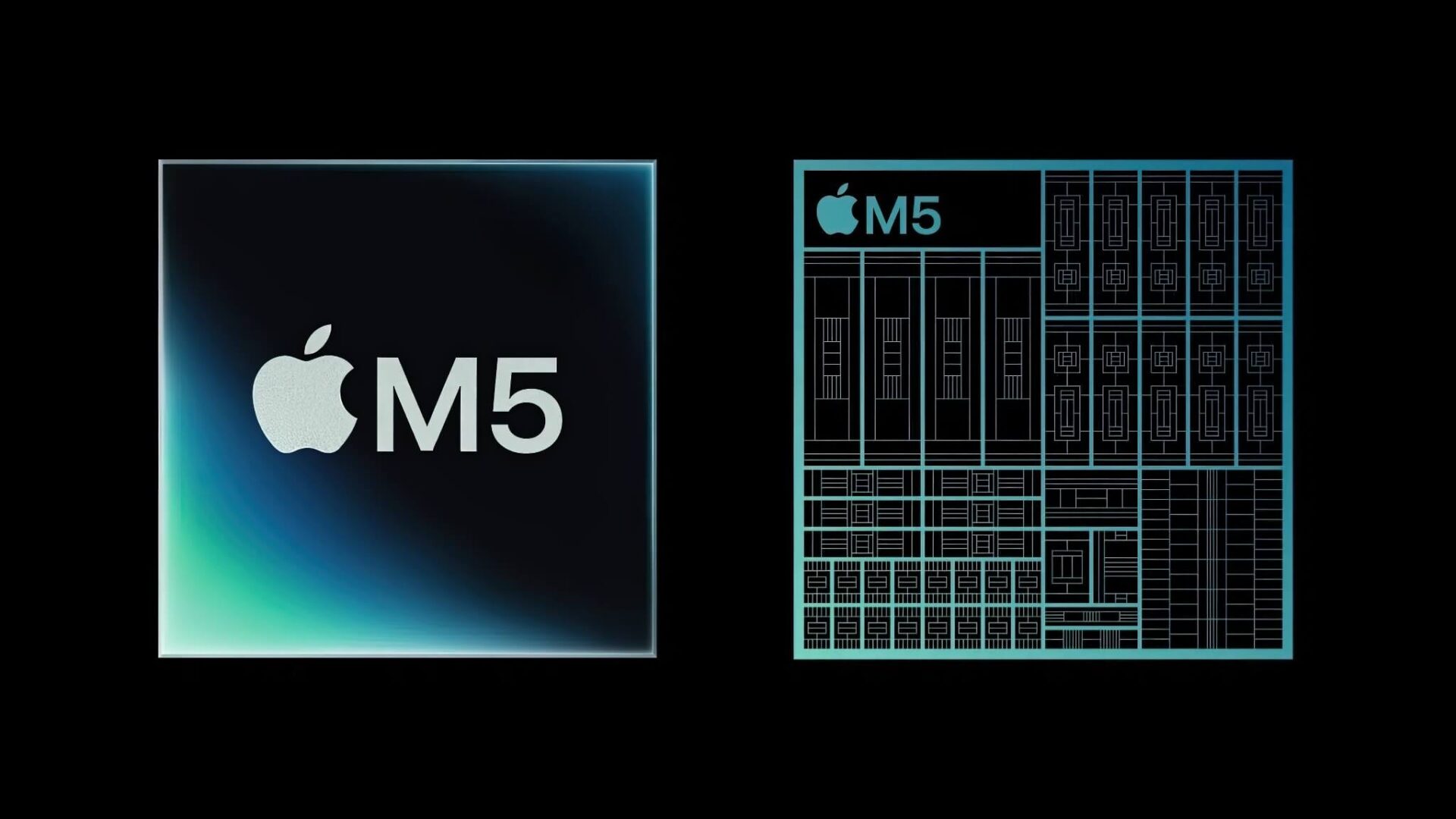
Apple has just performed a spectacular overhaul of the MacBook Pro lineup, not only in terms of hardware power but also in its chip design philosophy. With the arrival of the M5, M5 Pro, and M5 Max series, the Tech Giant has officially redefined traditional microprocessor structures by introducing an entirely new hierarchy, led by "superhumans" known as Super Cores. In reality, this is not just a marketing gimmick to polish its reputation, but an affirmation of a new computing era where the boundary between destructive power and energy efficiency is blurred. If you are looking for a device capable of handling the heaviest workloads while maintaining endurance throughout a long workday, then the M5 architecture is the most satisfying answer to the expectations of the professional user community.
The Super Core architecture of Apple M5 and the revolution in design language
The most valuable aspect of this upgrade is Apple's decision to abandon the performance core and efficiency core classification that has been familiar on mobile devices for many years. Instead, the M5 generation introduces a much more sophisticated three-tier system. At the highest level are the Super Cores, true combat machines designed to shoulder the heaviest tasks such as 8K video editing or running complex artificial intelligence models directly on the machine. Next are the performance cores, which act as the middle class, smoothly handling multi-core workloads without consuming excessive energy. Finally, there are the efficiency cores on the base M5 series to ensure the machine stays cool while performing light office tasks or daily web browsing.
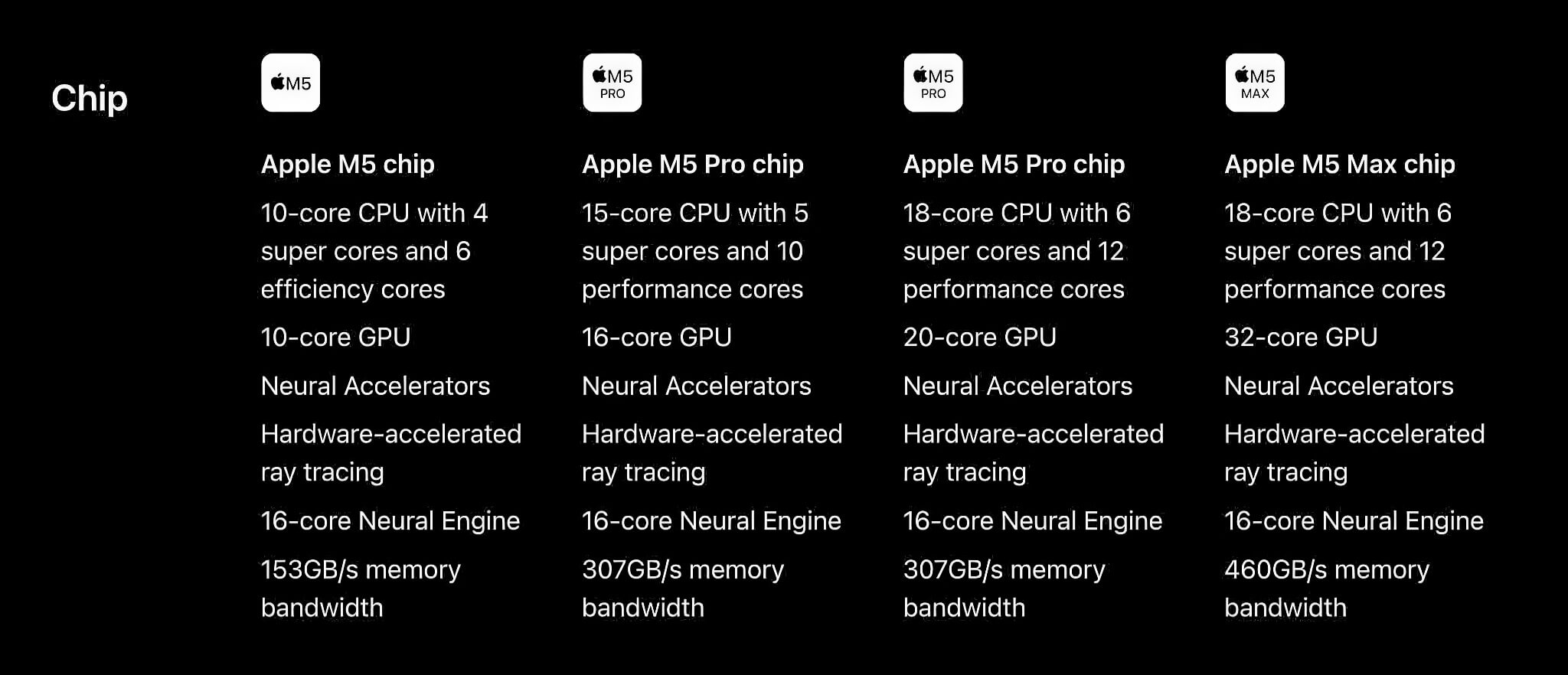
This change brings immense practical benefits to professional users. Instead of having only two options-running at full power or running at minimum levels-the operating system now has an intelligent buffer to coordinate work more effectively. In practice, having performance cores positioned between Super Cores and efficiency cores helps the MacBook Pro handle continuous multi-threaded workflows without needing to mobilize power-hungry super cores. This allows you to render a complex 3D drawing even while sitting in a coffee shop without worrying about rapid battery depletion. This is exactly how Apple rewrites the script on the balance between performance and power that the tech community has long craved in a thin and light laptop.
Furthermore, this restructuring completely eliminates the prejudice that secondary cores are often the weakest link in a computer system. With the M5, Apple emphasizes parity in capability rather than a strict hierarchy as before. The new performance cores on the Pro and Max series are no longer just for light background tasks; they are truly powerful assistants capable of handling significant workloads. This approach helps optimize transistor density on the chip die, providing more abundant computing power within the same physical space. This means your MacBook is now smarter in distributing power, making every operation-from opening applications to processing big data-more instantaneous and smoother.
Fusion architecture and Apple's ambition to master hardware
Analyzing the hardware power in depth, Apple has introduced the bold Fusion architecture, a multi-die packaging method that links multiple silicon units into a single processing package. Instead of trying to cram everything into a single, massive silicon die that is prone to thermal issues, Apple chooses to intelligently link multiple small blocks together. In practice, this design allows the company to flexibly change chip configurations for each product line without increasing manufacturing complexity. For example, the M5 Pro and M5 Max series can share the same CPU structure but differ completely in graphics power, with 20 GPU cores for the Pro version and up to 40 cores for the Max version, precisely meeting the needs ranging from graphic design to professional film editing for each customer group.
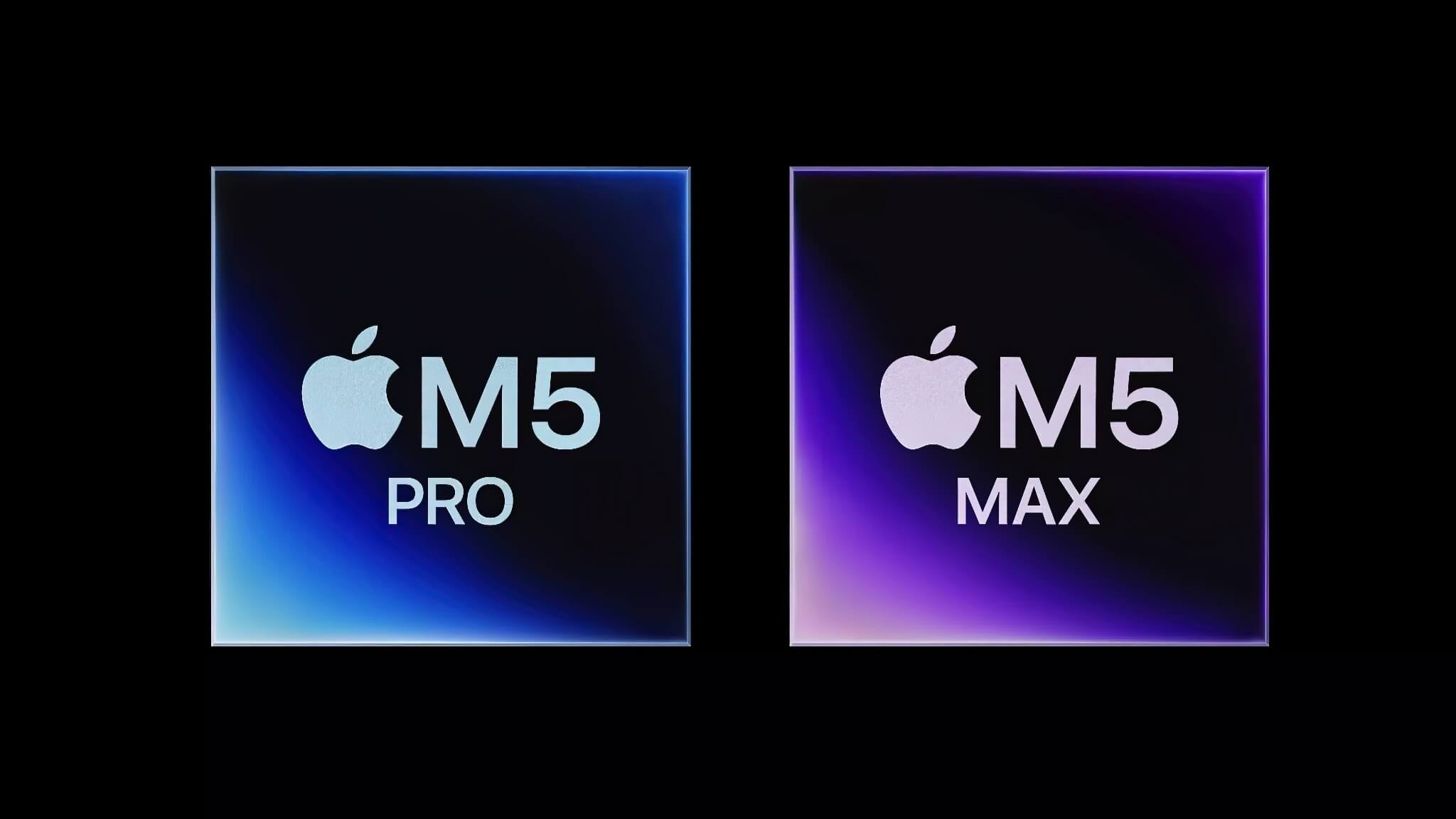
Fusion architecture is not just a leap in manufacturing technology but also opens a promising development roadmap for the future of Apple Silicon. By using connectable silicon blocks, Apple can accelerate the release of new chip versions and maximize production cost optimization. For Mac users, the indirect benefit is the excellent stability and compatibility between hardware and software. Apple has complete control over the process from chip design to the operating system, ensuring that every Super Core or performance core is utilized to its maximum capacity for specialized applications. If you are looking for a long-term investment for your work, a device with a modern modular architecture like the M5 will ensure optimal software support for many years to come.