
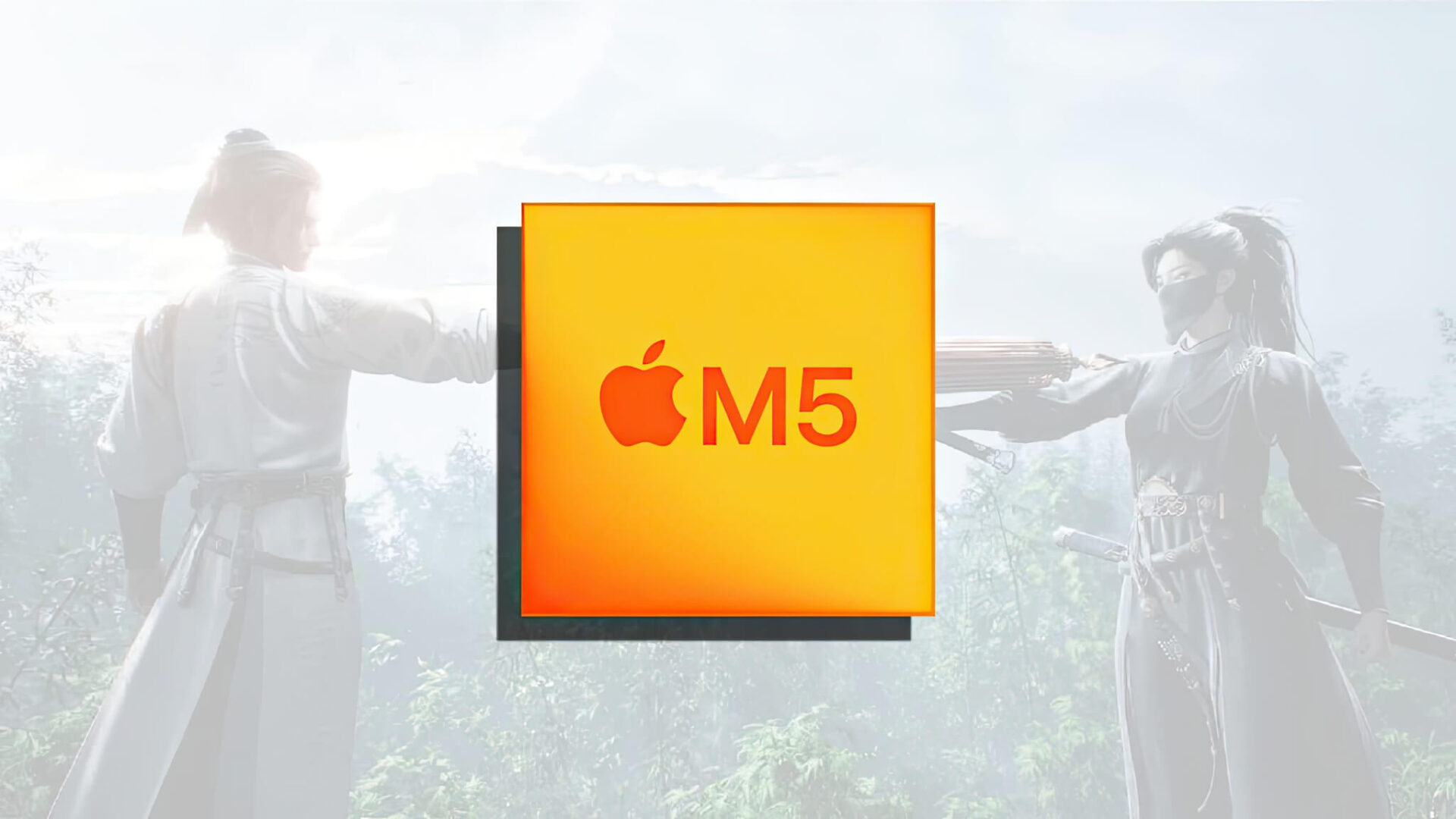
The latest generation of Apple M5 processors is proving its incredible power in the gaming arena, especially with the latest open-world action RPG titled "Where Winds Meet". Although it maintains the same number of CPU and GPU cores as its predecessor, the M4, thanks to Apple's silicon optimization "magic," this chip delivers superior computing and graphics performance. Most impressively, iPad Pro M5 users can now experience this game at the highest "Ultra" graphics settings with a stable 60FPS frame rate, something that even other top-tier mobile chips have yet to achieve.
Superior performance despite no increase in core count
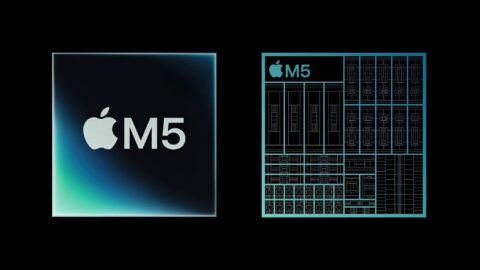
An interesting aspect of the Apple M5 architecture is that it retains the exact same number of central processing units (CPU) and graphics processing units (GPU) cores as its direct predecessor, the M4. However, this does not mean performance is stagnant. On the contrary, thanks to deep improvements within Apple's proprietary silicon architecture, users will experience significantly better computing and graphics processing capabilities without the need to cram in more cores.
The power of this chip has actually been proven to be a true "monster" through previous tests. Notably, in the demanding game Cyberpunk 2077, the M5 chip achieved frame rates up to 190% higher than the M4 chip in a benchmark comparison, and even more impressively, this result was achieved even with ray tracing enabled-a technology that is extremely resource-intensive for hardware.

Following that success, in the game "Where Winds Meet," the latest open-world action RPG from developer Everstone Studio, users are enjoying an unprecedentedly wonderful experience. Apple's newest and most powerful iPad Pro is capable of running this game at a steady 60 frames per second (FPS), even when all graphics settings are pushed to their maximum values.
The difference between Apple M5 and mobile competitors
To test real-world power, the game was tested on an iPad Pro M5 version equipped with a 9-core CPU and a 10-core GPU. Renowned tech YouTuber Dame Tech demonstrated the capabilities of this flagship tablet by playing "Where Winds Meet" at a very stable 60FPS without any frame drops. As the fastest System on a Chip (SoC) Apple has ever brought to its tablet lineup, achieving "buttery smooth" frame rates was highly anticipated.
https://www.youtube.com/watch?v=bdLG9BI5T-Q
However, what truly makes the new iPad Pro stand out and sets it apart from formidable competitors like the A19 Pro chip (on phones) or the Snapdragon 8 Elite Gen 5 is the ability to unlock higher graphics settings. Specifically, devices running the M5 chip can now set image settings to "Ultra," while simultaneously running the game at a higher resolution.
In initial graphics and resolution comparisons posted by Dame Tech, both high-end devices-the iPhone 17 Pro Max (running the A19 Pro chip) and the REDMAGIC 11 Pro (running the Snapdragon 8 Elite Gen 5 chip)-were limited to "Extremely High" image settings. This setting is actually one tier below the "Ultra" level that the M5 chip can handle. This clearly demonstrates the gap in graphics processing power between Apple's tablet/laptop chip series and current smartphone mobile chip series.
Stable experience and potential on macOS
Upon close examination of the gameplay footage, experts found no signs of stuttering or lag on the iPad Pro M5. In fact, the device recorded better "1% lows" (a metric measuring frame rate stability during the most demanding situations) compared to the iPhone 17 Pro Max. Honestly, this result is entirely understandable and expected.
The main reason lies in the physical size of the device. A larger tablet means more space for heat dissipation. Better cooling capabilities allow the M5 chip to "showcase its power" and maintain high performance for extended periods without the thermal throttling seen on smartphones.
For gamers patiently waiting for this game to be officially released on macOS, the good news is that "Where Winds Meet" is currently playable through compatibility programs like CrossOver. However, the sincere advice is that users should wait for a native release for the most optimized experience. After all, if this game can run so smoothly on an iPhone or iPad, imagine how incredible the entertainment experience will be on a MacBook Pro running the M5 chip!