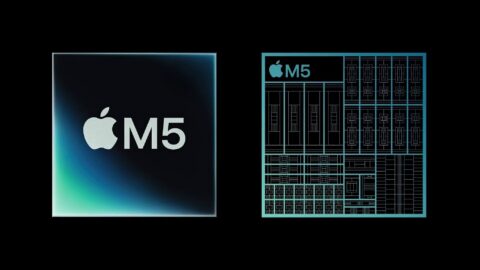
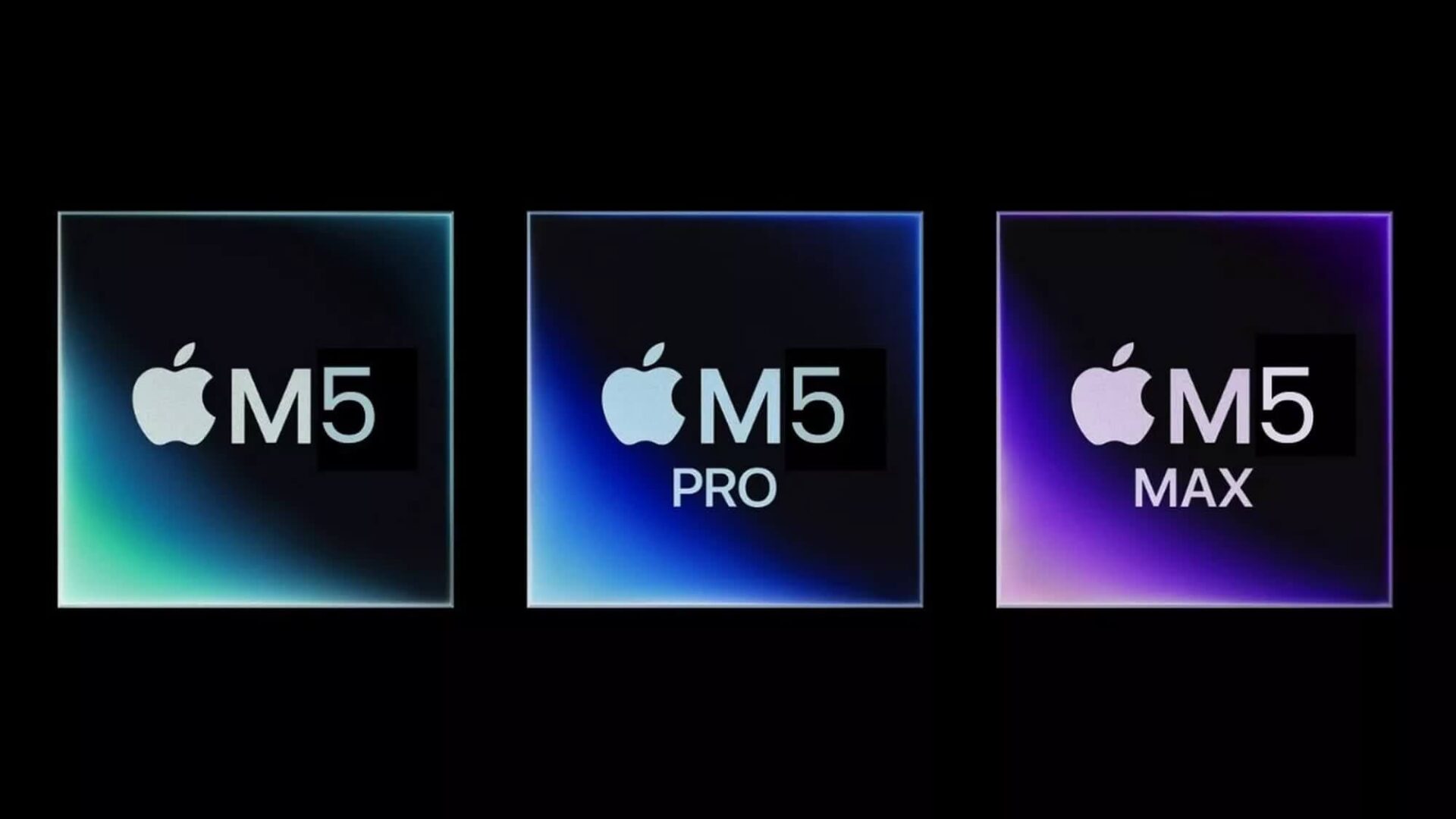
The Apple M5 family of SoCs will include several chips: the M5, M5 Pro, M5 Max, and M5 Ultra. They will be built on TSMC's advanced N3P process, which entered the testing phase earlier this year. The M5 and the M5 Pro/Max are expected to begin production in the first half of 2025 and the second half of 2025, respectively, while the Ultra version will enter mass production in 2026.
Ming-Chi Kuo, an analyst and well-known Apple industry source, has revealed a batch of new details about Cupertino's upcoming M5 processors. The new chips are expected to power a range of next-generation products, including MacBooks, iPads, and more.
Kuo also said that the Pro, Max, and Ultra versions of the Apple M5 will use a server-grade 2.5D packaging technology called SoIC-mH (System-on-Integrated-Chips Molding Horizontal), with separate designs for the CPU and GPU to improve production yield and heat dissipation. Apple will become TSMC's largest SoIC customer, though several other major chip designers, including AMD, AWS (Amazon), and Qualcomm, are also expected to adopt the new technology for their next-generation processors.

The M5 lineup is expected to deliver higher performance than the M4 chips, even though it still uses a 3nm process rather than moving up to a 2nm node. The chips are also reported to be more power efficient than their predecessors, which means users can expect better battery life alongside faster performance.
Rumors suggest the MacBook Pro, MacBook Air, and OLED iPad Pro will be equipped with M5 chips between spring 2025 and the first half of 2026, but it is not yet clear whether the next-generation Mac mini will get the new chip. Devices using the top-tier M5 Ultra are expected to reach the market in the second half of 2026.
Apple launched new MacBook Pro, iMac, and Mac mini models with M4 chips earlier this year, while the next-generation MacBook Air is expected to arrive next spring. The Mac Studio and Mac Pro with the M4 Ultra chip are expected to be introduced in late 2025. The company is also reported to be upgrading its AI servers to M4 chips next year. They currently use M2 Ultra chips.