

Steam has become one of the first companies to acknowledge that users do not own the games they purchase. This admission comes as new regulations begin to take effect. We have long known that purchasing digital games is essentially a long-term rental, and there is very little we can do to change this reality. However, increased transparency regarding this issue is still welcomed.
Steam has started displaying a new notice in its shopping cart, clearly confirming the nature of the transaction: "Purchasing a digital product grants a license to the product on Steam." This change is how Valve is complying with new California laws that prohibit digital platforms from implying that customers own the games, movies, ebooks, and other digital content they purchase.
These new regulations were signed into law by Governor Gavin Newsom last year, aimed at restricting deceptive marketing practices related to the sale of digital media.
Under AB 2426, companies will be considered to be acting illegally if they use terms like "buy," "own," or other terms implying full ownership when selling digital goods that are only licensed for use.
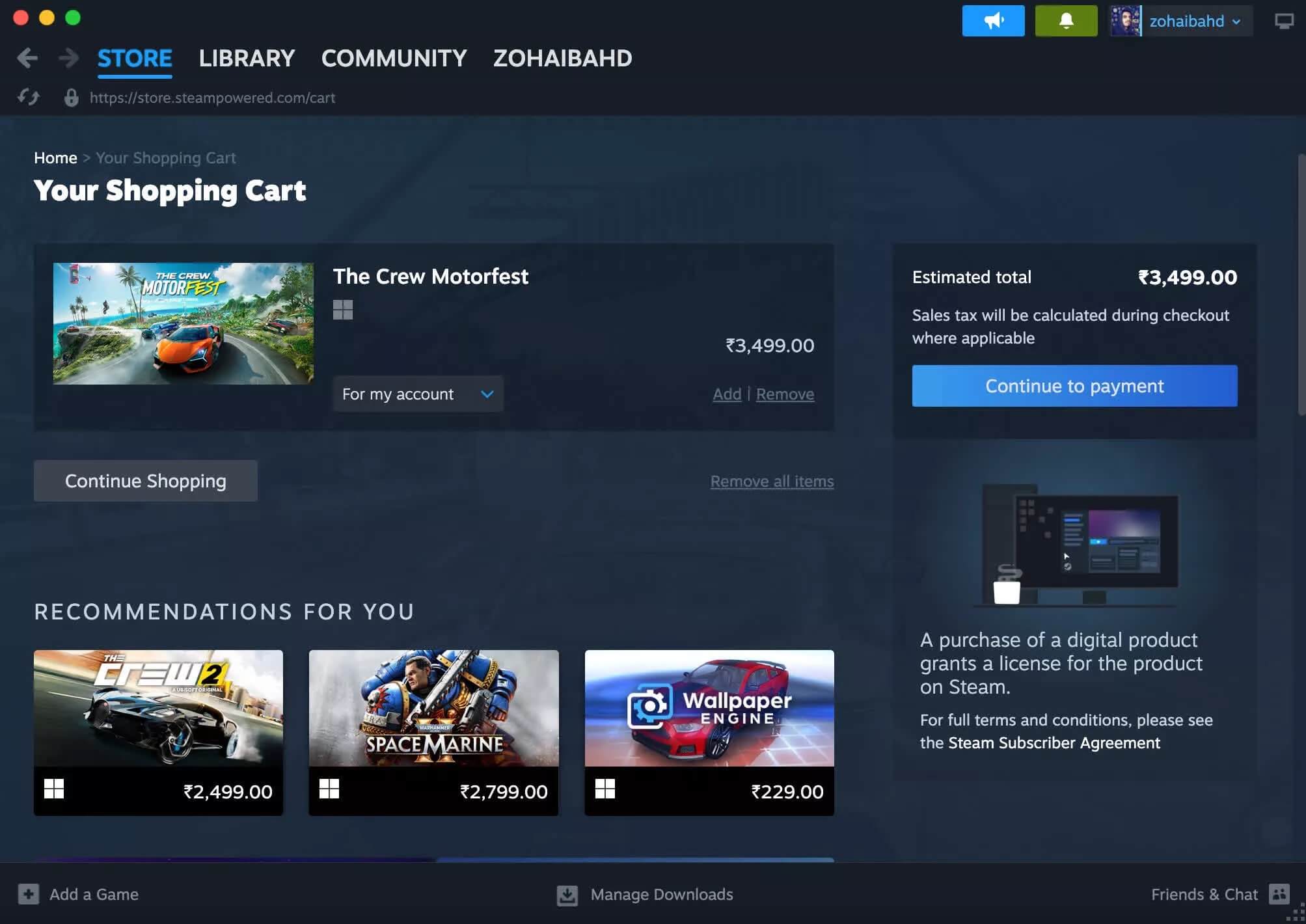
The law requires digital stores to clearly notify customers that they are only purchasing access to content, and this access can be revoked or expire at any time.
Companies violating this regulation could be fined for false advertising. The law does not apply to permanent offline downloads or physical discs. Engadget reports that this labeling appears to be quite new and is not limited to California Steam accounts.
The issue of limited digital ownership has become a hot topic in recent years, as many gamers have been affected when servers shut down or stores cease operations. This has led to movements such as "Stop Killing Games."
A notable example is Ubisoft, which unexpectedly revoked access to the original game The Crew after servers were completely shut down earlier this year.
Even those who paid full price can no longer play this open-world racing game. Although Ubisoft has added offline modes for sequels like The Crew 2 to avoid similar situations, the original game has highlighted the very limited control customers have over their digital transactions. If a company decides to stop support, the game disappears instantly.