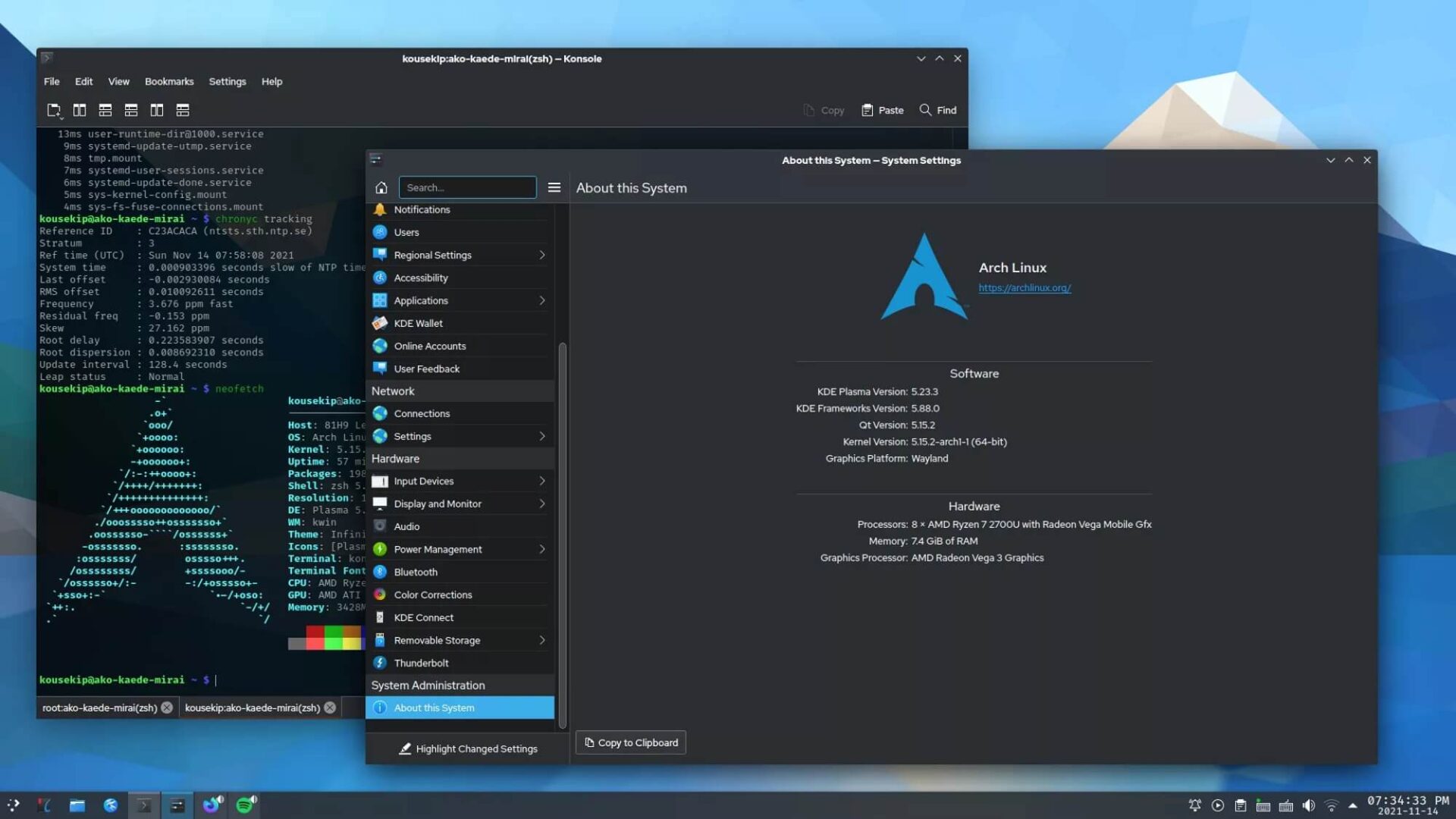
Arch Linux plays an important role in Valve's plan to bring gaming to more PC users.
Arch Linux is an independently developed, general-purpose Linux distribution that first launched in March 2002 and focuses on keeping software bloat to a minimum. The operating system has a small initial installation and no traditional "major" releases. Instead, it relies on monthly snapshots to update only the core components of the system.
Since 2022, Valve has used Arch Linux as the foundation for SteamOS, its gaming-focused operating system. The company, co-founded by Gabe Newell, has decided to give developers something tangible: a "generous" but as yet unspecified program to fund two key aspects of this free, open-source operating system.
According to a recent message from distribution maintainer Levente Polyak, Valve and Arch Linux are now working together directly to support two projects that will have a major impact on the platform's future. Polyak confirmed that Valve will provide funding for dedicated freelance development efforts to build a build service infrastructure and a secure signing enclave.
With financial support from Valve, the selected developers will be able to focus on these two new features while volunteers continue to spend their limited time on other parts of the project. Polyak noted that the build infrastructure and secure signing enclave are expected to help address some of the biggest challenges Arch Linux faces.

The partnership with Valve will help developers speed up the process, allowing new features to be built faster than before. The operating system project will keep following its usual workflow, with discussions on the official mailing list and requests for comment on any significant changes to the source code.
Polyak believes the collaboration will greatly benefit the future of Arch Linux, and he plans to share more information about the project as development progresses. Discussion and transparency will remain essential, supported through both the official mailing list and a plan on GitLab.
Valve has been working to establish Linux as a major force in the PC gaming industry for a long time. The company developed Proton, a compatibility layer inspired by Wine, to give Linux gamers effective translation layers for native Windows APIs, mainly Direct3D 9-12. Recent changes in Proton have even focused on improving compatibility with the ARM64 instruction set architecture and Android, suggesting that Valve is considering bringing its well-known digital storefront to more computing platforms beyond Windows and Linux.
Source: Techspot