
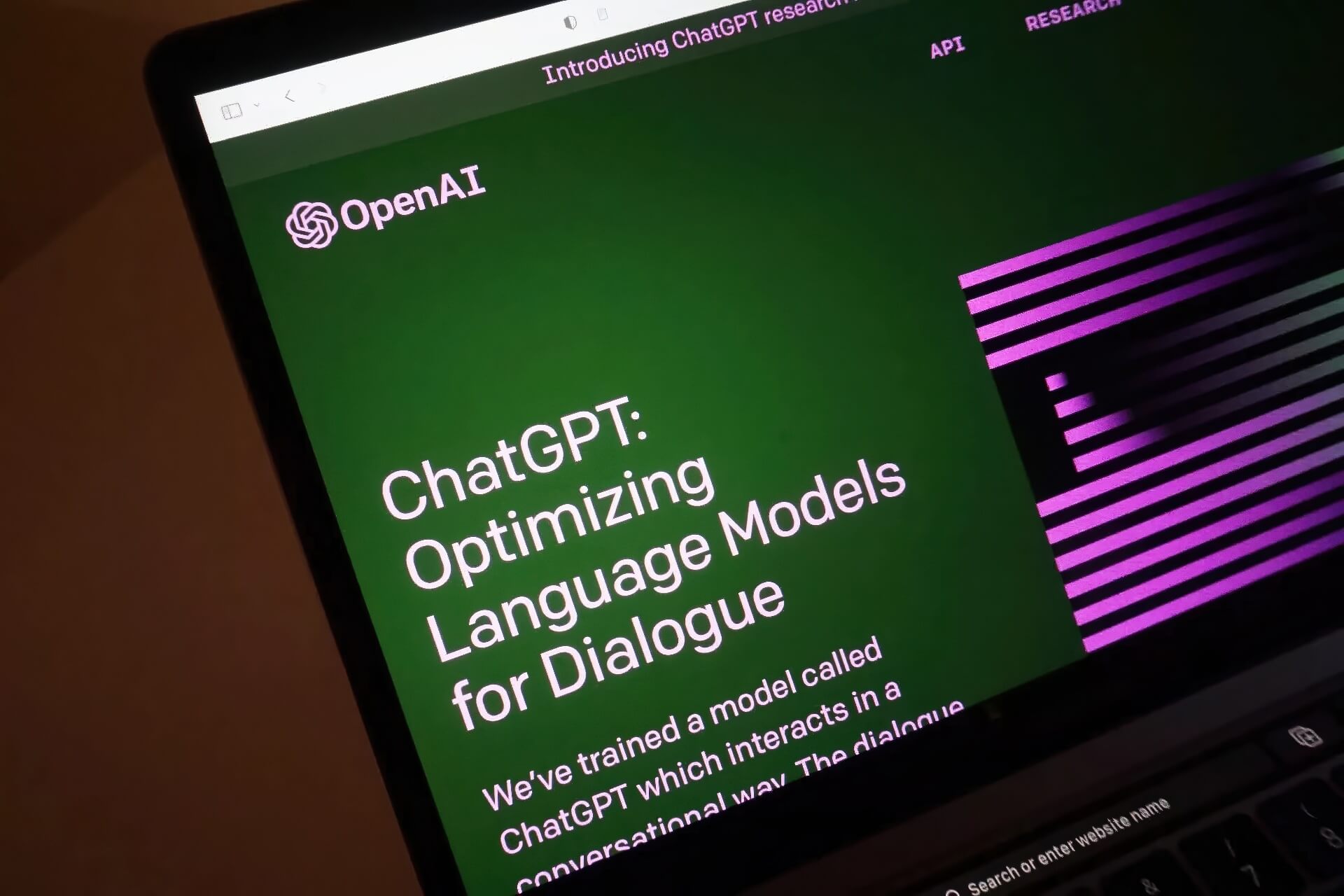
Thousands of private ChatGPT conversations have unexpectedly appeared in Google Search results, sparking serious concerns within the community regarding privacy and data security. The incident involves a feature that previously allowed public sharing of chat history, which has now been removed by OpenAI.
ChatGPT Sharing Feature and the Leak Incident
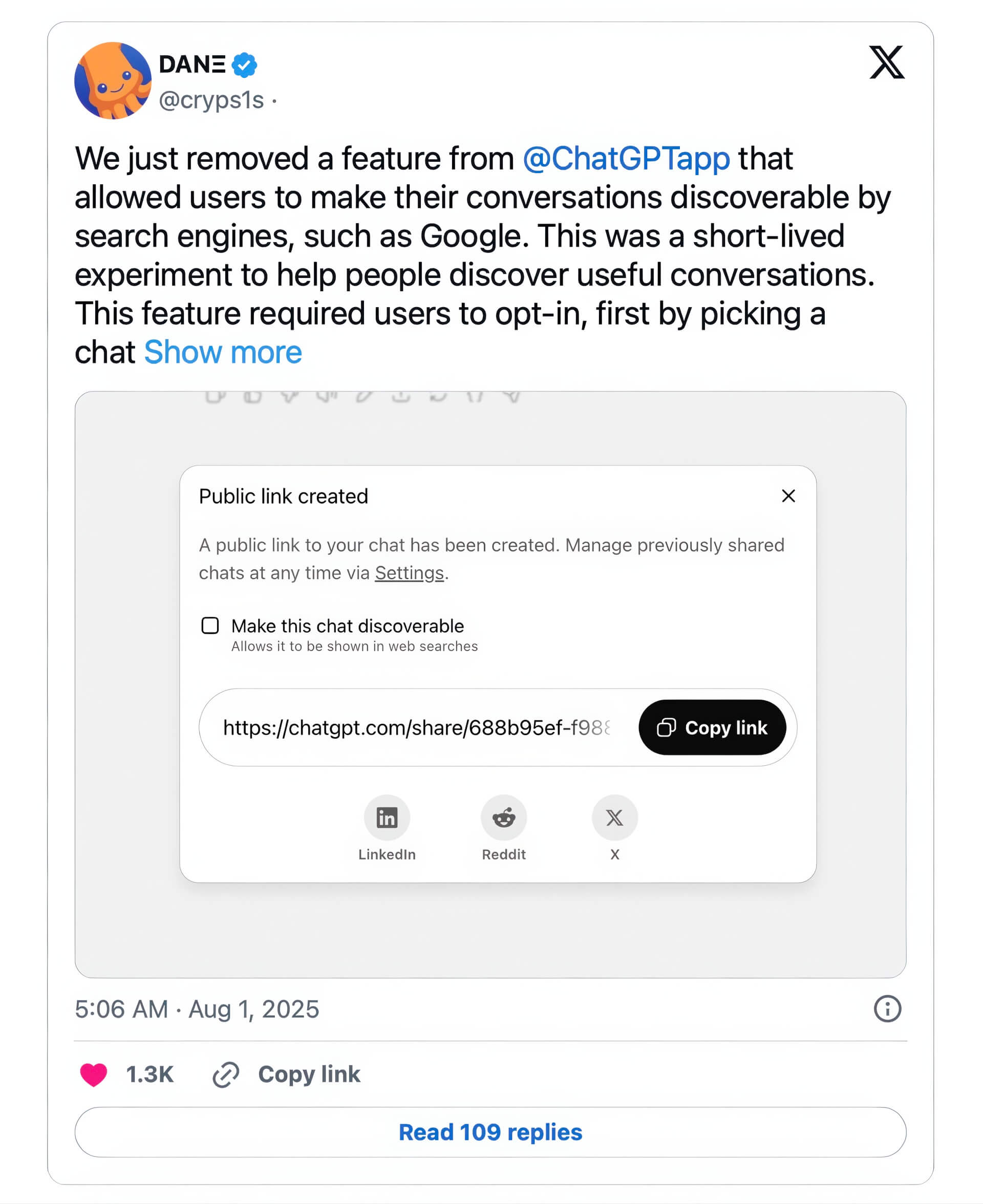
OpenAI has confirmed that it has disabled a ChatGPT chat history sharing option on the web after discovering the issue. Although this feature required users to opt-in, its description was deemed too vague, leading many to not realize that personal data could be displayed publicly on Google Search.
According to a report from Fast Company, nearly 4,500 ChatGPT conversations were found by entering partial shared links into the Google search bar. The leaked content included names, locations, and other private details. Notably, many conversations contained sensitive information regarding anxiety, addiction, abuse, and other personal issues.
Privacy and Legal Implications
While the leaked information did not fully reveal identities, the appearance of personal data in search results has raised major concerns about data security. In particular, a U.S. court order requires OpenAI to store all ChatGPT chat logs indefinitely. This means that user data, which was previously thought to be temporary, could still be accessed by legal entities, especially in the lawsuit filed by The New York Times against OpenAI.
This incident also revives memories of the 2023 event, when Samsung employees were found using ChatGPT to handle internal work, accidentally leaking confidential information and trade secrets. This serves as a clear reminder that data entered into chatbots may not be absolutely secure.
Proton Lumo: A Safer Alternative?
As trust in ChatGPT and OpenAI wavers, Proton has launched the Lumo chatbot as a solution focused on security. The Swiss company commits to encrypted communication, does not store personal information, maintains an ad-free model, and provides open source code to increase transparency.
However, experts warn that even with alternatives like Proton Lumo, users still need to be cautious when sharing sensitive data. This incident is a powerful reminder of the risks of over-reliance on AI chatbots in both personal and professional life.
In summary: The ChatGPT conversation leak via Google Search is not just a technical glitch, but a wake-up call regarding online privacy. Users need to be more careful when sharing information and consider AI chatbot platforms that prioritize security, such as Proton Lumo.