


AI Overviews: Convenient Information Summaries with Significant Risks
The AI Overviews feature-quick answer snippets generated by artificial intelligence-is completely transforming how users search on Google. Appearing at the very top of search results, this tool uses large language models to synthesize information from multiple reliable sources and display it directly on the search engine results page (SERP), allowing users to read answers without needing to click on any links.
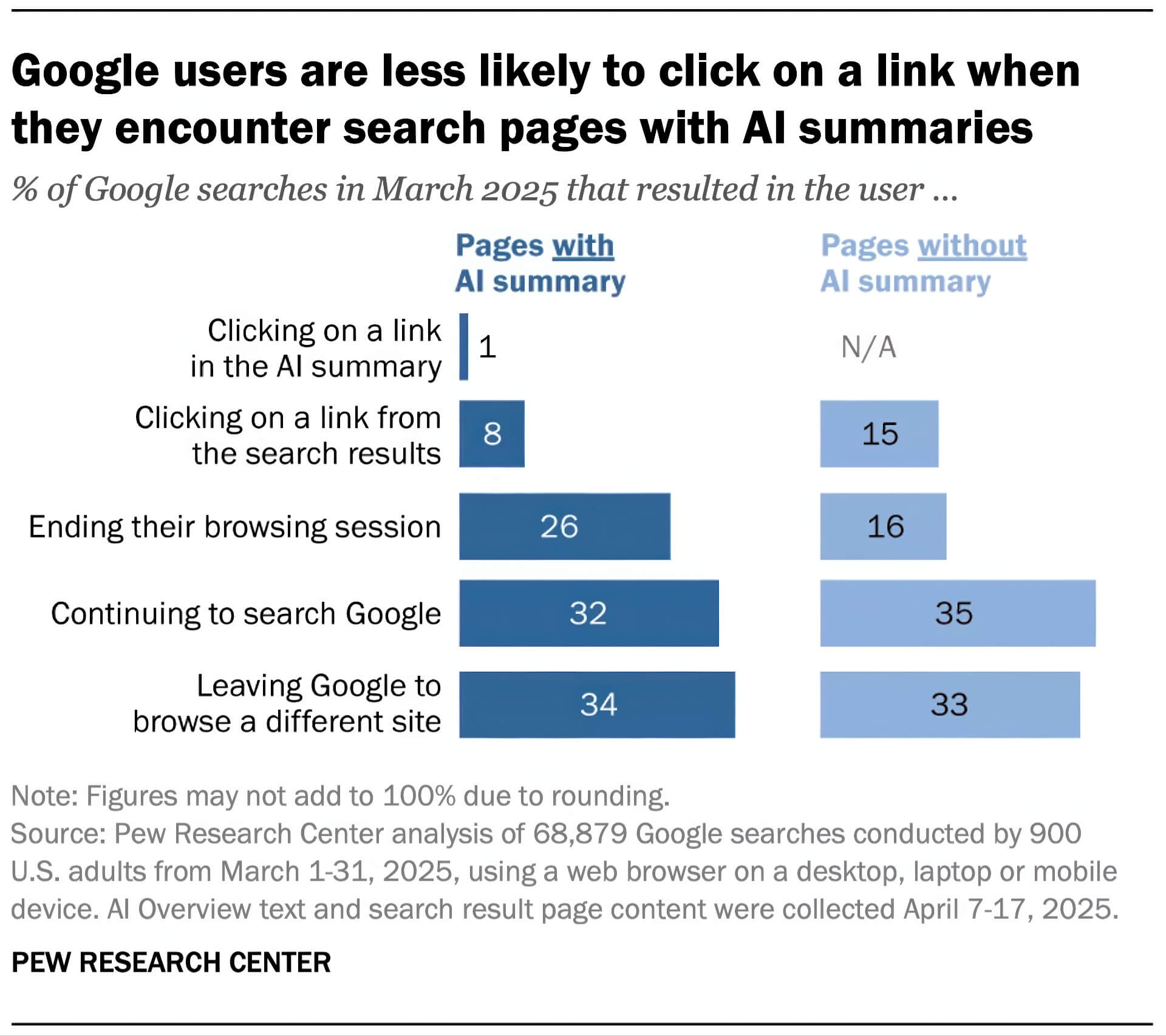
However, this very convenience is having a serious impact on independent websites. According to research from the Pew Research Center, when AI Overviews are displayed, the click-through rate for links drops by nearly 50%, from 15% down to just 8%. Even more concerning is that only about 1% of users actually click on the cited sources within the AI summary, significantly affecting traffic to smaller websites.
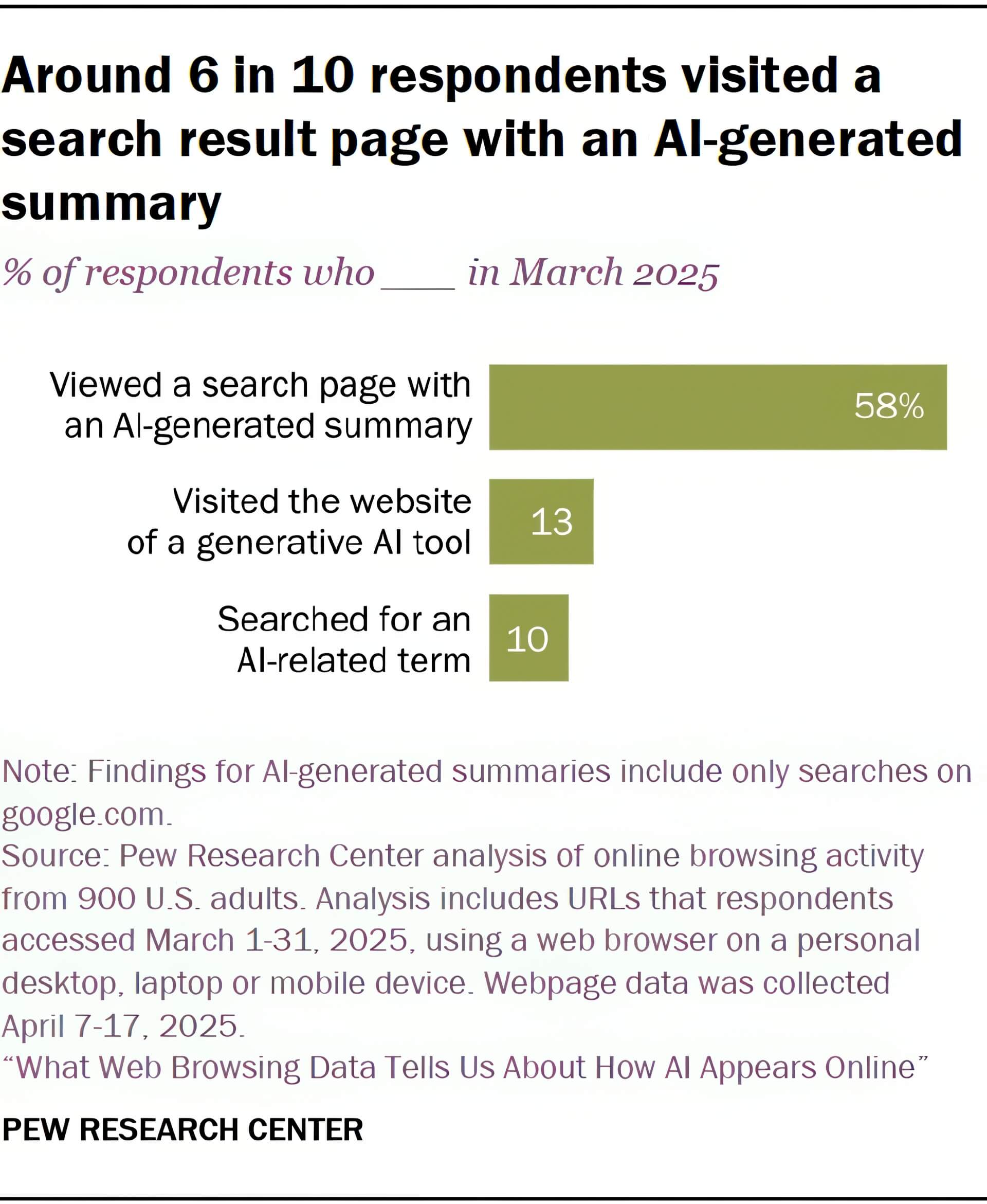
The phenomenon of zero-click search is also increasing rapidly. More than 58% of Google queries currently do not lead to any visits to external websites, eroding the business models of many content creators who rely on advertising and referral traffic.
Traditional SEO Faces a Crisis: Finding a Way to Survive in the AI Era
AI Overviews are not just an upgrade to Featured Snippets; they represent the Search Generative Experience trend-where Google is increasingly becoming the final destination for searchers. This poses a massive challenge for websites that are not part of major platforms like Wikipedia, Reddit, or YouTube-the sources Google frequently cites in its AI Overviews.
This shift could cause an imbalance in the digital content ecosystem. As smaller sites are gradually pushed out of the main traffic flow, information diversity will decline, leading to risks of data monopoly. Additionally, users will have fewer opportunities to verify information from various sources, increasing the risk of consuming inaccurate data from AI.
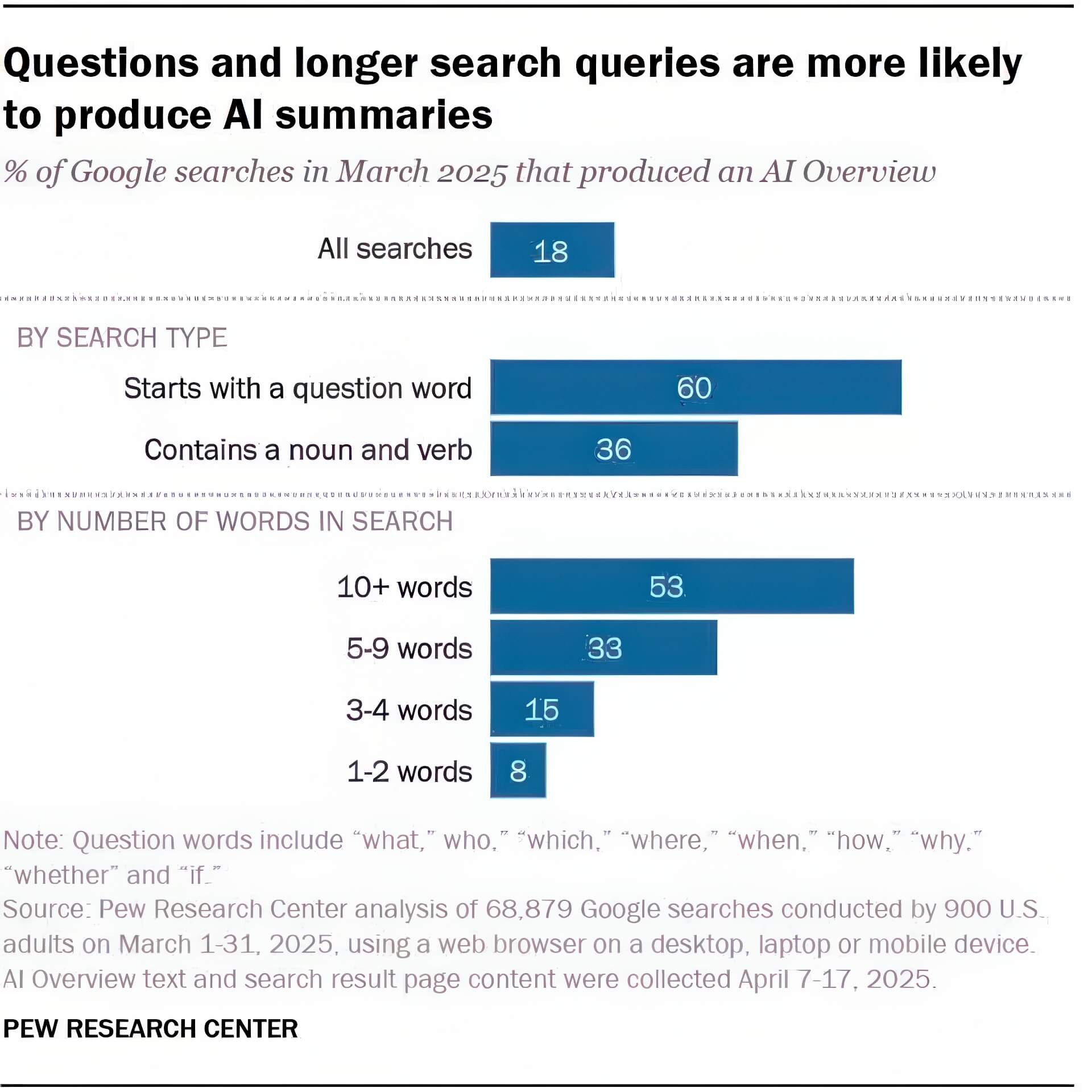
Nevertheless, AI Overviews still offer certain benefits to end-users: rapid information and a seamless experience, which is particularly useful for specific questions or natural language searches. However, for publishers, businesses, and SEO professionals, adapting to this new era is mandatory.
Some strategies to consider include: optimizing content for AI, creating easily citable formats, diversifying access channels beyond Google (e.g., social media, newsletters, personal branding), and building in-depth content to maintain long-term value.
In short, AI Overviews are reshaping user behavior and traditional SEO models. Understanding the impact, staying updated on trends, and remaining flexible are the keys to surviving and thriving in a landscape increasingly dominated by AI-driven search.