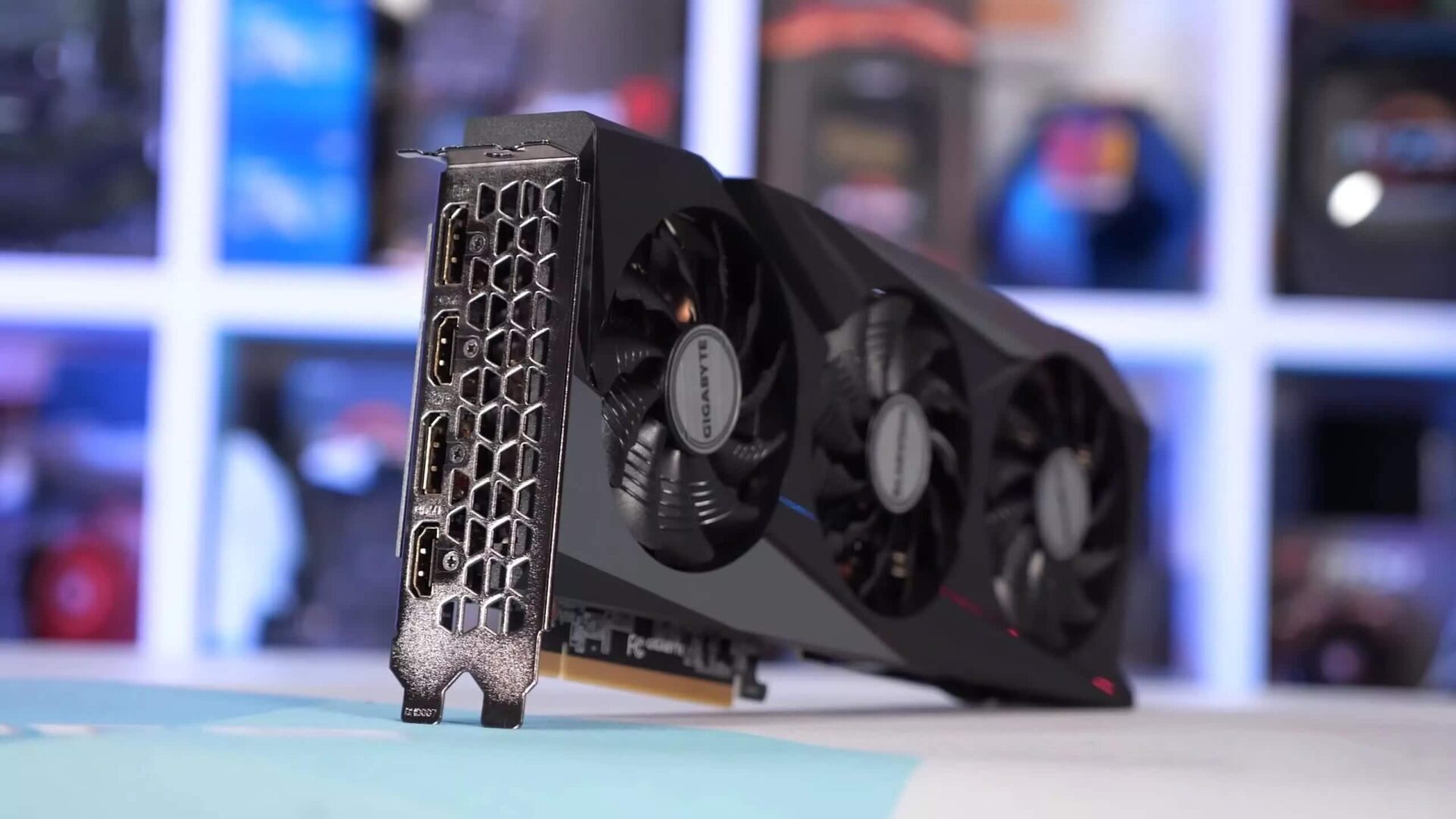
If you're thinking about buying a next-generation graphics card, sooner is better than later. Nvidia and AMD are reportedly ramping up production and shipping of their upcoming GPUs to get ahead of the Trump administration's new import tariffs, which could raise prices by up to 40%.
The two rival tech giants, along with other companies that stand to be affected, are rushing products into the US before January 20, when Trump's new tariffs are expected to take effect. Trump plans to impose a 10% to 20% tariff on imported goods, while goods from China would face a special 60% tariff. The goal is to bring manufacturing back to the US.
Manufacturers will almost certainly pass some of this new cost on to consumers in the form of higher prices. That means products such as laptops, smartphones, monitors, desktop PCs and TVs, most of which are made primarily in China, will get more expensive.

While Nvidia and AMD use TSMC and Samsung to manufacture their chips, the assembly and packaging of their graphics cards, including the cooling systems, PCBs and other components, is typically handled by companies in China such as Foxconn or BYD. AIB partners like Asus, MSI, Gigabyte and Zotac also do most of their assembly in China.
According to Ctee, GPU makers are rushing to get their products into US warehouses before January 20.
Nvidia is expected to launch its RTX 5000 series at CES in just over a week, while AMD will unveil its Radeon 9000 series. Tariffs could push up the prices of these next-generation cards significantly. If, for example, Nvidia's flagship RTX 5090 carries the rumored list price of $1,799, a 40% increase from the new tariffs would send that figure above $2,500.
Manufacturers are trying to build up inventory in the US before January 20 so they don't have to hand the tariff-driven price increase to customers, since a sudden jump in prices would hurt demand. Still, companies won't be able to put off price hikes forever.

Graphics cards aren't the only products that could get pricier because of the tariffs. A recent report from the Consumer Technology Association (CTA) says laptop prices could rise by as much as 45%. Smartphone costs are expected to climb 25.8%, monitors are predicted to rise 31.2%, and game consoles could become 40% more expensive.