

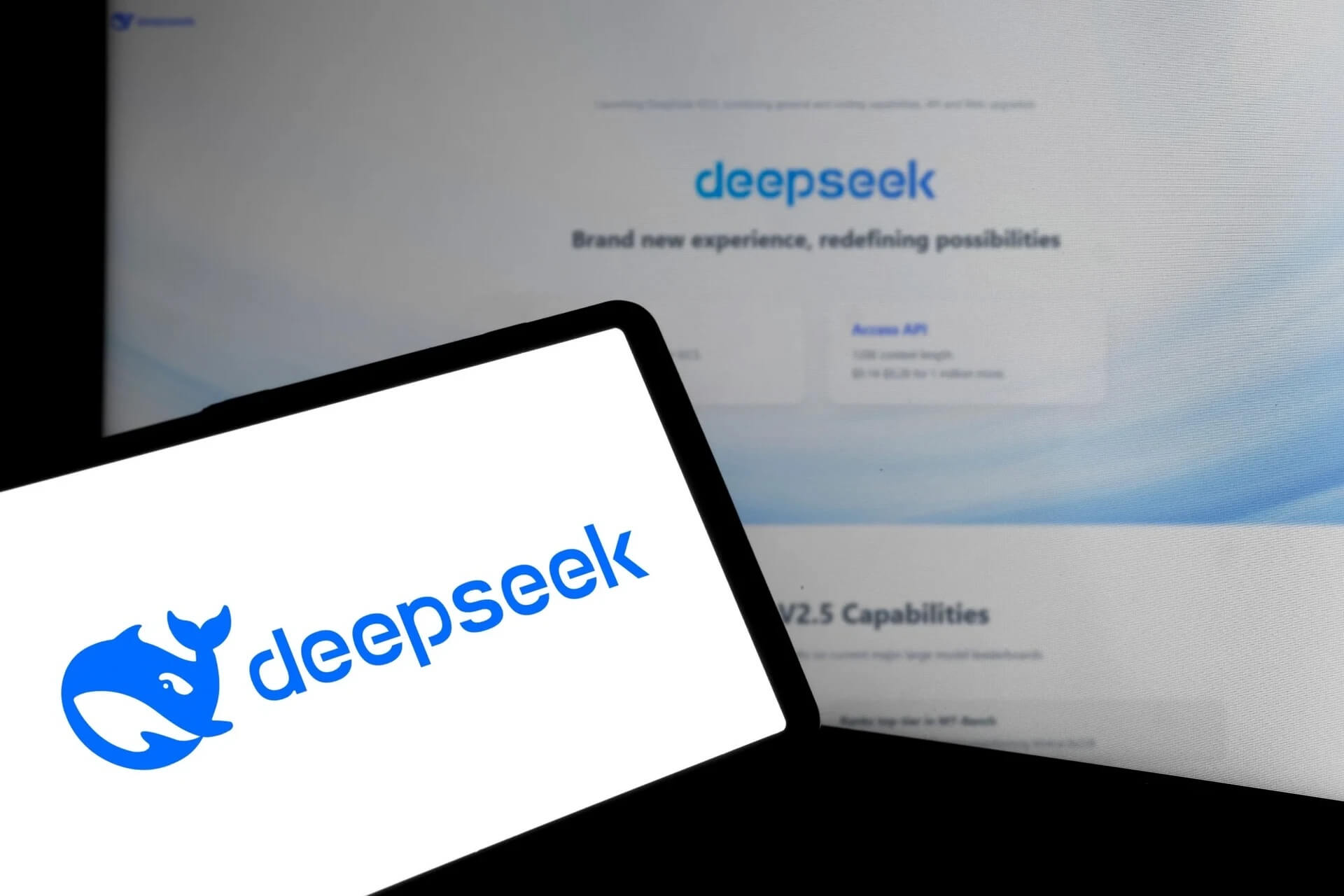
DeepSeek, an AI startup known for its advanced technology, is tapping the creativity of young talent to compete with major US corporations.
On December 26, the Chinese AI startup DeepSeek unveiled its large language model, DeepSeek V3. Despite limited training resources, the model performs on par with, and in some cases better than, several major US rivals such as Meta and OpenAI.
This is seen as a significant step forward, opening up opportunities for China to develop its AI capabilities despite difficulties in accessing advanced chips and funding. According to the technical report, job postings, interviews with former employees and local articles, the breakthrough is the result of a modest founder and a young research team.
In 2023, DeepSeek spun off from the investment fund High Flyer-Quant. The founder of High-Flyer Quant, Liang Wenfeng, is also the man behind DeepSeek, and he studied AI at Zhejiang University.
In an interview with the news site 36Kr in May 2023, Liang revealed that DeepSeek prioritizes hiring young AI employees, from recent graduates to people just starting their careers. This policy clearly reflects the company's view that ability matters more than experience.
Liang said: "Our key technical positions are mostly filled by recent graduates or people with only one or two years of experience."
Among DeepSeek's talent, Gao Huazuo and Zeng Wangding are especially recognized for their important contributions to researching and developing the MLA architecture. Gao graduated from Peking University (PKU) in 2017 with a degree in physics, while Zeng began a master's program at the AI Institute of Beijing University of Posts and Telecommunications in 2021.
Both profiles reflect how DeepSeek's approach differs from that of other AI startups, most of which prefer to hire more experienced researchers or PhDs trained abroad in computer science.
DeepSeek's core team also includes Guo Daya, a PhD who graduated from Sun Yat-sen University in 2023, along with two other young PhDs, Zhu Qihao and Dai Damai, both from Peking University (PKU).

There is also former employee Luo Fuli, one of DeepSeek's most outstanding talents. With a master's degree from Peking University (PKU), she has been praised by Chinese media as an "AI prodigy".
She drew public attention when news emerged that Xiaomi founder Lei Jun had offered a salary of 1.4 million USD per year to recruit her. DeepSeek's V3 model was trained over two months, using about 2,000 Nvidia H800 chips at a total cost of just 6 million USD. Andrej Karpathy, one of OpenAI's founders, called this a "joke of a budget," implying that the cost was extremely low relative to the scale of the project.
Two weeks ago, many users reported that DeepSeek V3 had mistaken itself for . However, experts say it is not unusual for an AI model to identify itself as , since most chatbot tools today are trained on shared data sources.
Source: ZNews