
In recent years, Dell has made waves in the tech world by continuously introducing impressive new products. Familiar names like Inspiron, XPS, Latitude, and Precision seem to have been set aside as Dell officially rolls out a new naming system, focusing on three main lines: Dell, Dell Pro, and Dell Pro Max.
The New Dell, Dell Pro, and Dell Pro Max: How are they categorized and named?
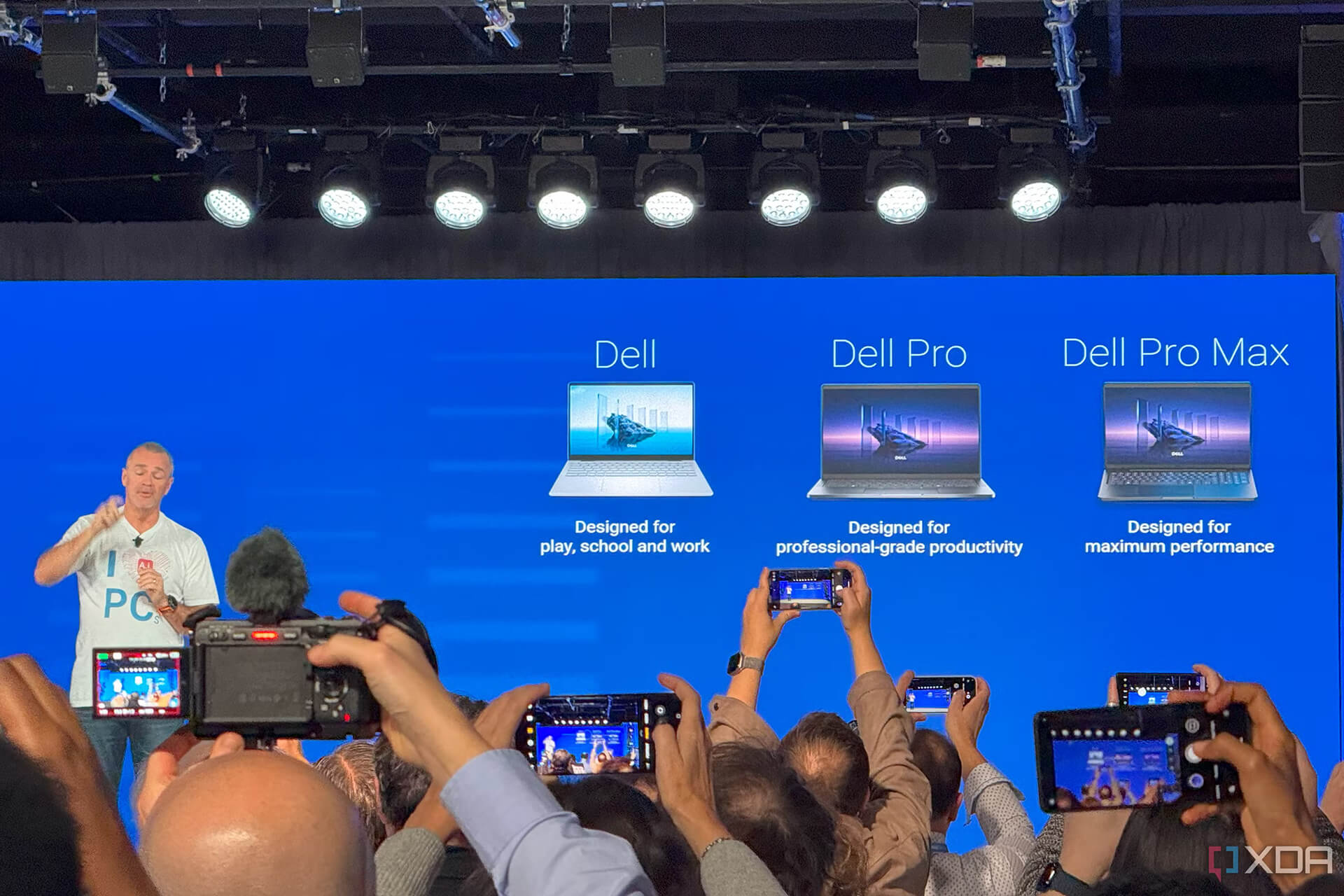
At CES 2025, Dell officially announced a major transformation in its product strategy. The brand has decided to phase out familiar laptop lines such as Inspiron, XPS, Latitude, and Precision, replacing them with a new naming system focused on three primary series: Dell, Dell Pro, and Dell Pro Max.
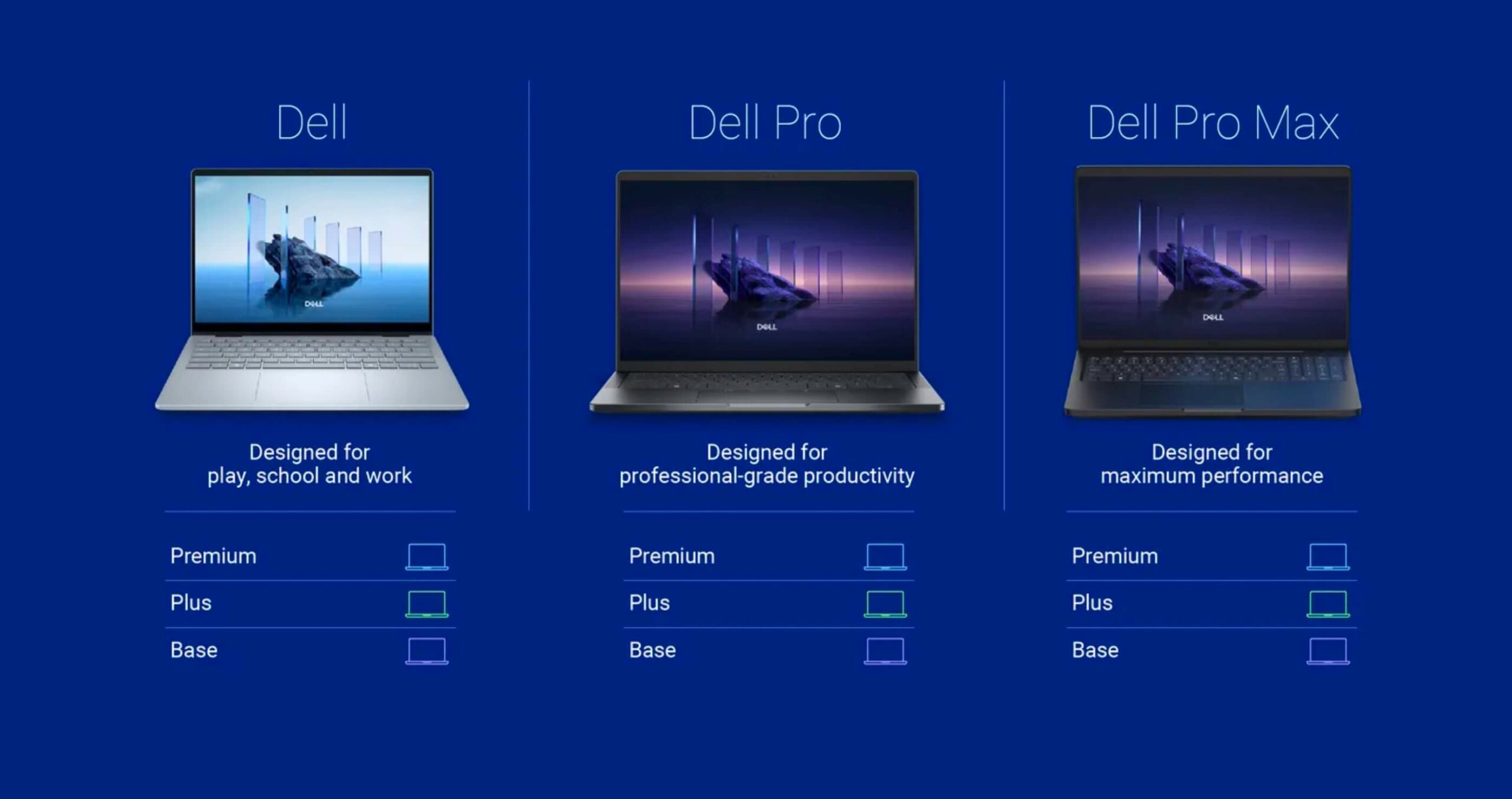
Dell, Dell Pro, and Dell Pro Max Product Series
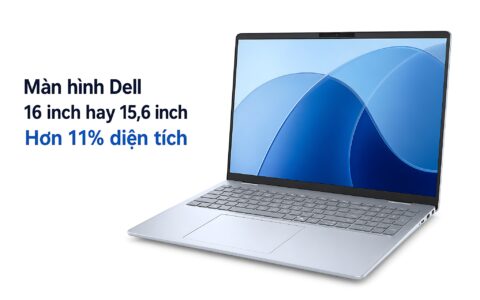
Dell Series: This is the mainstream product line, considered the successor to Inspiron and part of the XPS line. In this series, users will find Dell Plus 14 and Dell Plus 16 laptop models, equipped with Intel Core Ultra Series 2 chips, up to 32GB RAM, and up to 2TB SSD. Notably, the Dell 14 Plus offers 1920x1200 touchscreen or non-touch 2.5K (2560x1600) display options, while the Dell 16 Plus can be upgraded to a QHD+ mini-LED display (3200x1800). In terms of weight, the Dell 14 Plus weighs 1.55kg, and the Dell 16 Plus weighs 2.05kg. Starting prices are $1099 and $1149 respectively, with 2-in-1 versions starting from $999, available from February 18.
Dell Pro Series: This line is designed for enterprises and professional users, serving as the replacement for Latitude. In this series, Dell introduces the Dell Pro 14, Dell Pro 16, Dell Pro Plus, and Dell Pro Premium models. Specifically:
- Dell Pro 14 and Dell Pro 16: The base versions of the Pro line, featuring plastic chassis, equipped with Core Ultra Series 1/2 CPUs, up to 64GB RAM, 2TB SSD, integrated Intel graphics, and 720p/1080p webcams.
- Dell Pro Plus: Features an aluminum chassis, available in 13/14/16-inch screen versions (13/14-inch also includes a 2-in-1 version), and 1080p/5MP webcams.
- Dell Pro Premium: Lightweight magnesium chassis, 13/14-inch screens, dual OLED display options (increased brightness), mini-LED backlit keyboard (saves 75% power, adds 4 hours of battery life), Collaboration Touchpad (controls Microsoft Teams/Zoom), modular USB-C ports (more durable and easier to repair), 8MP webcam, and 4 speakers.
Some Dell Pro 13/14 Premium and Dell Pro 13/14 Plus models are already on the market, while the Dell Pro 13 Plus will go on sale from February 25. Dell Pro Plus models with Intel Core Ultra 200U CPUs are expected to launch in late March or early April, with AMD Ryzen versions arriving in the first half of 2025. Prices have not yet been announced.
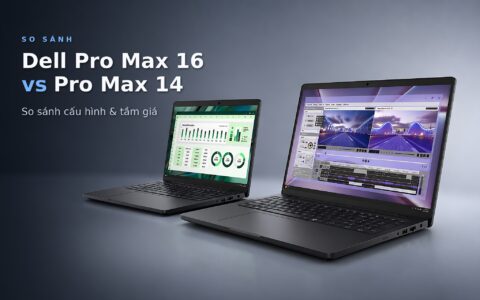
Dell Pro Max Series: This is the high-performance mobile workstation line, replacing the Precision series. Specifically, the Dell Pro Max 14 and Dell Pro Max 16 will use CPUs up to Core Ultra 9, Nvidia graphics cards (RTX 500 series for the 14-inch version, RTX 2000 series for the 16-inch version), and memory up to 2TB (14-inch) and 4TB (16-inch). This product line will go on sale in late March or early April, with AMD versions expected in July. Prices have not yet been announced.
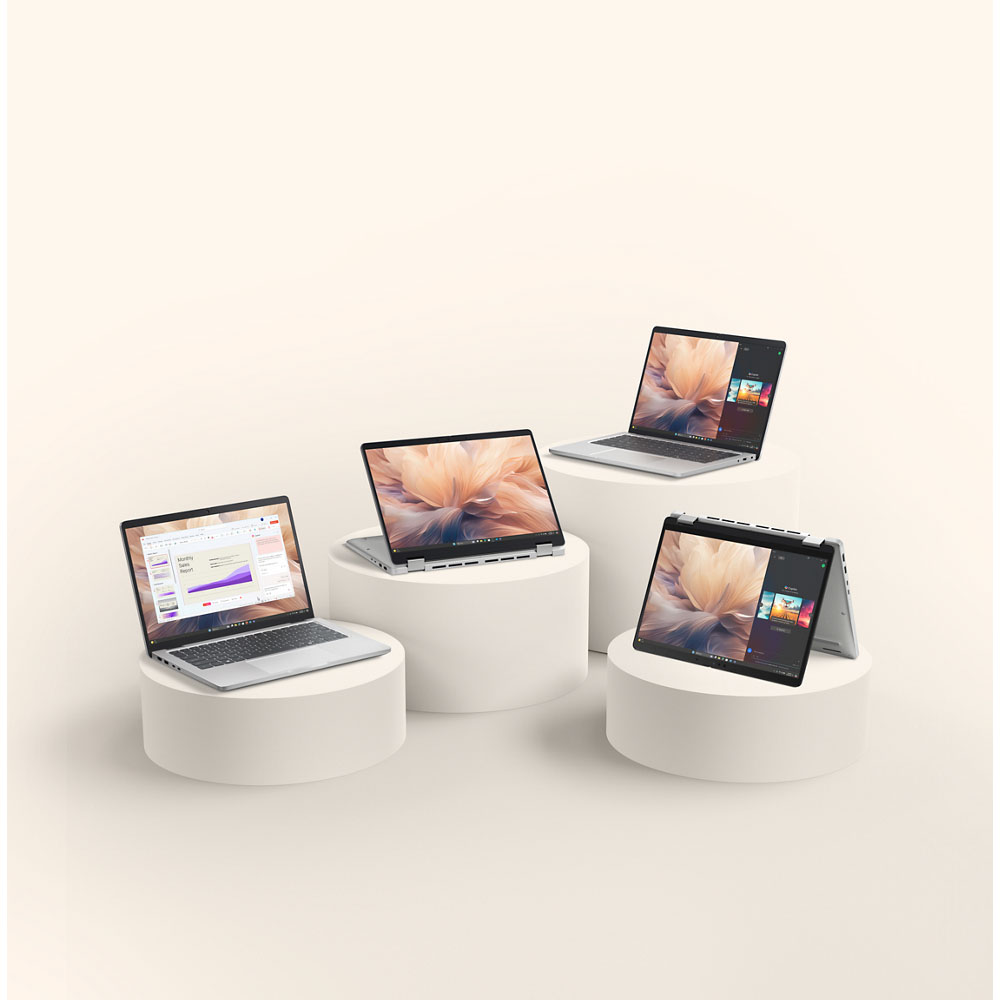
Configuration Versions of the Dell, Dell Pro, and Dell Pro Max Lines
In addition to dividing into different product lines, Dell is also applying a new naming convention based on different versions:
Base: The standard, basic configuration. Plus: An enhanced configuration with more features. Premium: The highest-end configuration, focusing on performance and premium build materials.
The combination of product lines and versions creates more detailed names, for example: Dell Plus 14 (a mainstream Dell laptop, Plus version, 14-inch size), Dell Pro Premium 16 (a Dell Pro enterprise laptop, Premium version, 16-inch size), or even more complex names like Dell Pro Max Plus.
Perspectives on Dell's Changes
The decision by Dell to remove familiar laptop brands like Inspiron, XPS, Latitude, and Precision and replace them with a new naming system is expected to help users more easily distinguish between product lines. However, the complex hierarchical structure with many versions may cause initial confusion for consumers.
Dell has committed that this transition will take place gradually, and products with the old branding will still be sold until stock runs out. However, the coexistence of both naming systems during the transition period may cause confusion for customers.
This is seen as a bold move by Dell, and its effectiveness will be tested over time. Whether removing familiar laptop brands to focus on three main lines-Dell, Dell Pro, and Dell Pro Max-will help Dell achieve a breakthrough in its product strategy remains a major question awaiting an answer.
Summary of Dell's Transformation Event
Dell truly surprised the industry by announcing a major shift in its product strategy at CES 2025. The decision to phase out familiar laptop brands like Inspiron, XPS, Latitude, and Precision in favor of a new naming system-focusing on three main lines: Dell, Dell Pro, and Dell Pro Max-is considered a bold and ambitious move by the company.
By implementing a new naming convention consisting of Base, Plus, and Premium versions, Dell aims to clearly define its product lines and create distinct differences between them. However, this complex hierarchy may pose initial challenges for consumers.
During the transition phase, Dell has committed to maintaining both naming systems in parallel to ensure that products with the old branding remain available on the market. Nevertheless, this could lead to some customer confusion.
Whether these drastic changes will enable Dell to achieve a breakthrough in its product strategy or face numerous challenges during the transition remains to be seen. One thing is certain: Dell has demonstrated great boldness and ambition by deciding to retire established brands to build a new system from the ground up.
Reference Vatvostudio