
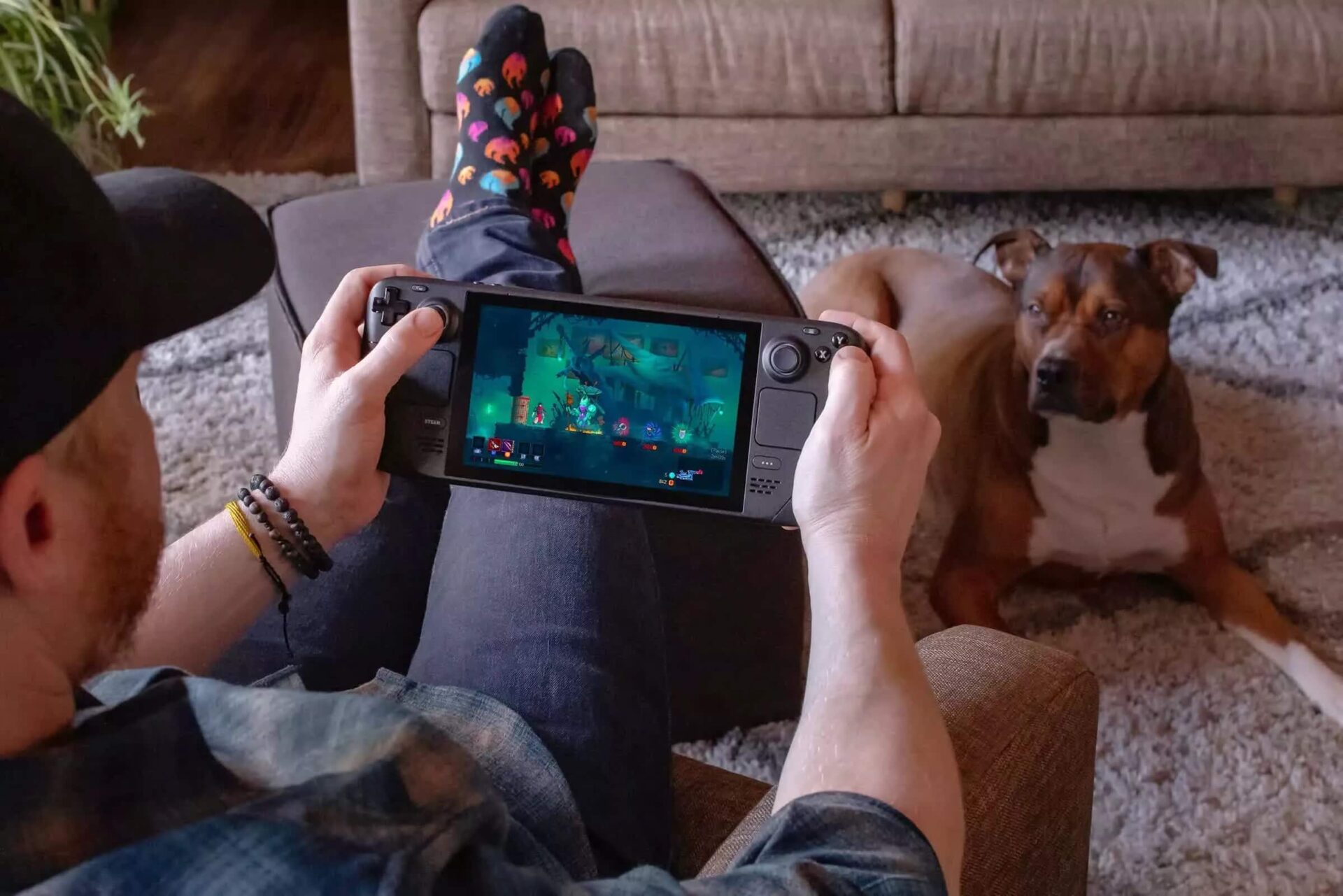
AMD has asserted its position as a leading CPU manufacturer in the Handheld Gaming PC market, powering famous devices such as the Steam Deck, Asus ROG Ally X, and Lenovo Legion Go. At CES 2025, AMD continued to solidify its position by launching a new series of processors, the Z2, Z2 Go, and Z2 Extreme, specifically designed for the next generation of handheld gaming PCs. However, Intel is not standing still in the face of this dominance and is making strategic moves to challenge AMD.
Intel Expands Support for Handheld Gaming PCs
Robert Hallock, Vice President and General Manager of Client AI and Technical Marketing at Intel, shared in an exclusive interview with Laptop Magazine that the company is focusing heavily on the handheld gaming PC segment. He emphasized: "Intel is ramping up its team to support game developers looking to expand into the handheld gaming platform."
This support is not limited to hardware but also includes implementing internal programs to help manufacturers optimize performance on handheld devices. Intel has also established a dedicated handheld gaming team to provide technical support to hardware and software engineers.
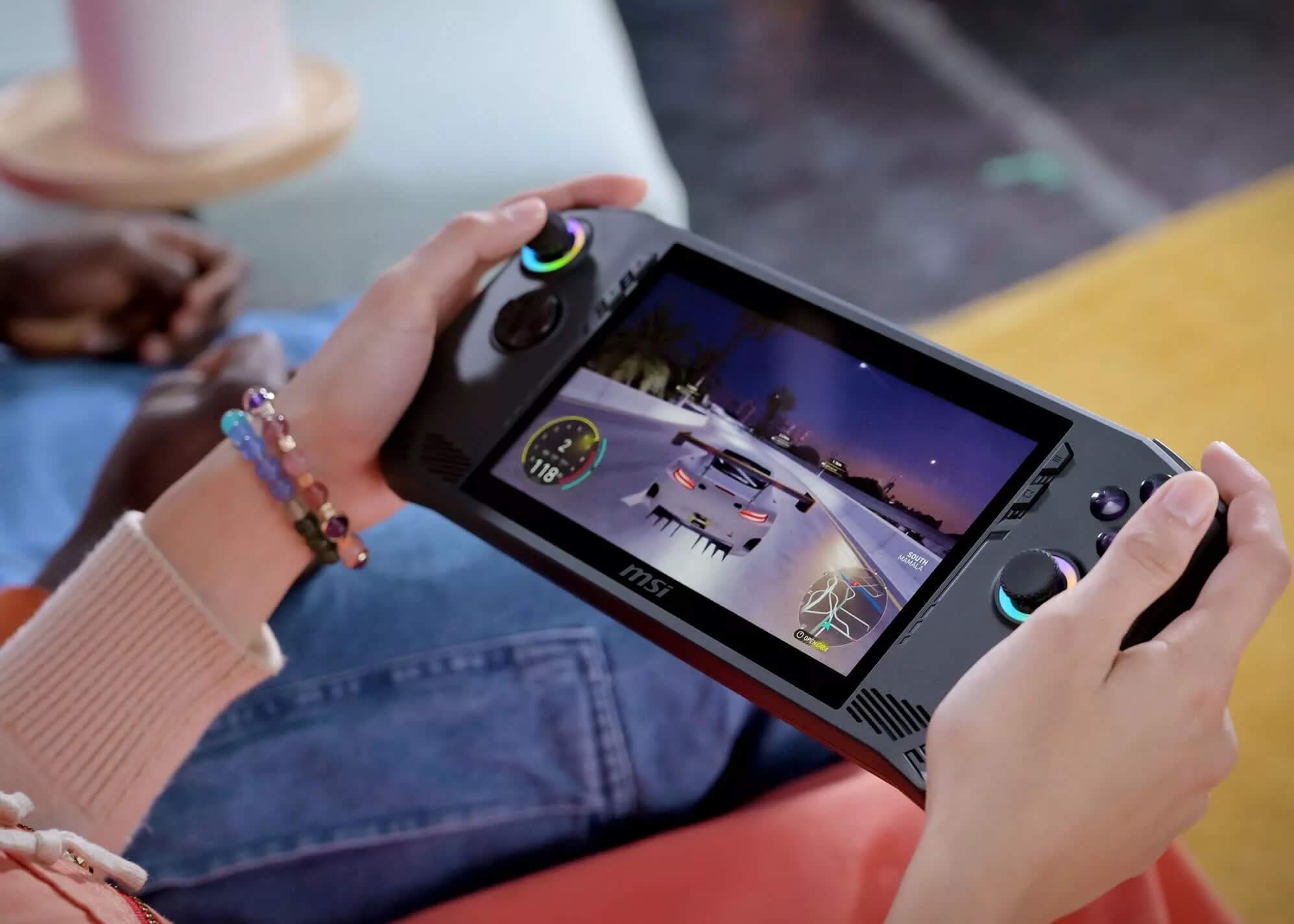
One of Intel's key strategies is providing early access to mobile gaming hardware for game developers. Since most game studios typically focus on developing for PC or console environments, Intel aims to expand their vision into the handheld gaming market.
Hallock stated: "Many developers only focus on devices available on their desks or in their testing labs. We want to change that by providing testing kits and development toolkits before the official launch of Panther Lake."
Intel Shapes the Future with Panther Lake Chips
At CES 2025, Intel showcased several new products using its chipsets, including the MSI Claw 8 AI+ and Tencent Sunday Dragon 3D. However, Hallock also revealed that some devices on display at the event were actually running on Intel's latest processor - Arrow Lake-H.
Hallock affirmed that Arrow Lake-H has graphics performance comparable to Lunar Lake, while many current handheld gaming devices can operate at power levels up to 30W. This indicates that Arrow Lake is perfectly suited for the handheld gaming PC model.
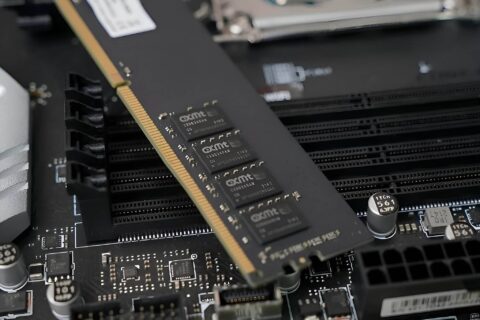
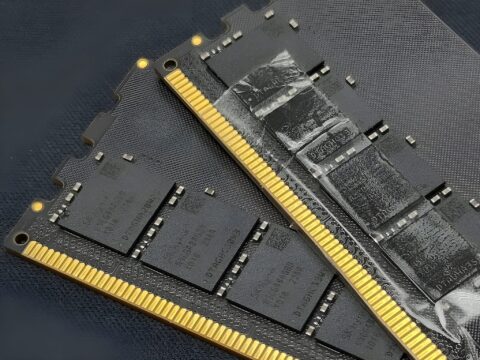
However, Intel's ambitions do not stop at Arrow Lake and Lunar Lake. The company is preparing for the next generation of mobile processors codenamed Panther Lake. Unlike Lunar Lake, which uses on-package memory, Panther Lake will allow for greater memory flexibility. This is a crucial feature that helps handheld gaming PC manufacturers optimize their devices.
Hallock explained: "Device manufacturers can customize memory on the Panther Lake platform, while Intel provides complementary technology to offset the removal of integrated memory, helping to save energy."
In addition, Intel is also seeking partners among game developers to optimize software for the handheld gaming platform. Hallock extended an open invitation to the development community: "If you are a game developer considering expanding into handheld gaming, please contact us. Intel is very willing to cooperate to help you optimize software for mobile gaming devices."
Conclusion
With clear strategies and strong determination, Intel is step-by-step creating significant competition with AMD in the handheld gaming PC market. Providing development toolkits, in-depth technical support, and expanding cooperation with game developers shows that Intel is not just focusing on hardware but is also aiming for a comprehensive gaming ecosystem. Can Intel break AMD's dominance in this market? The answer will become clearer when Panther Lake officially launches.