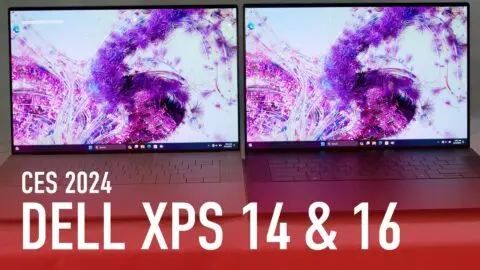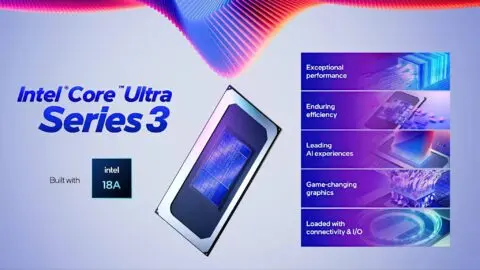
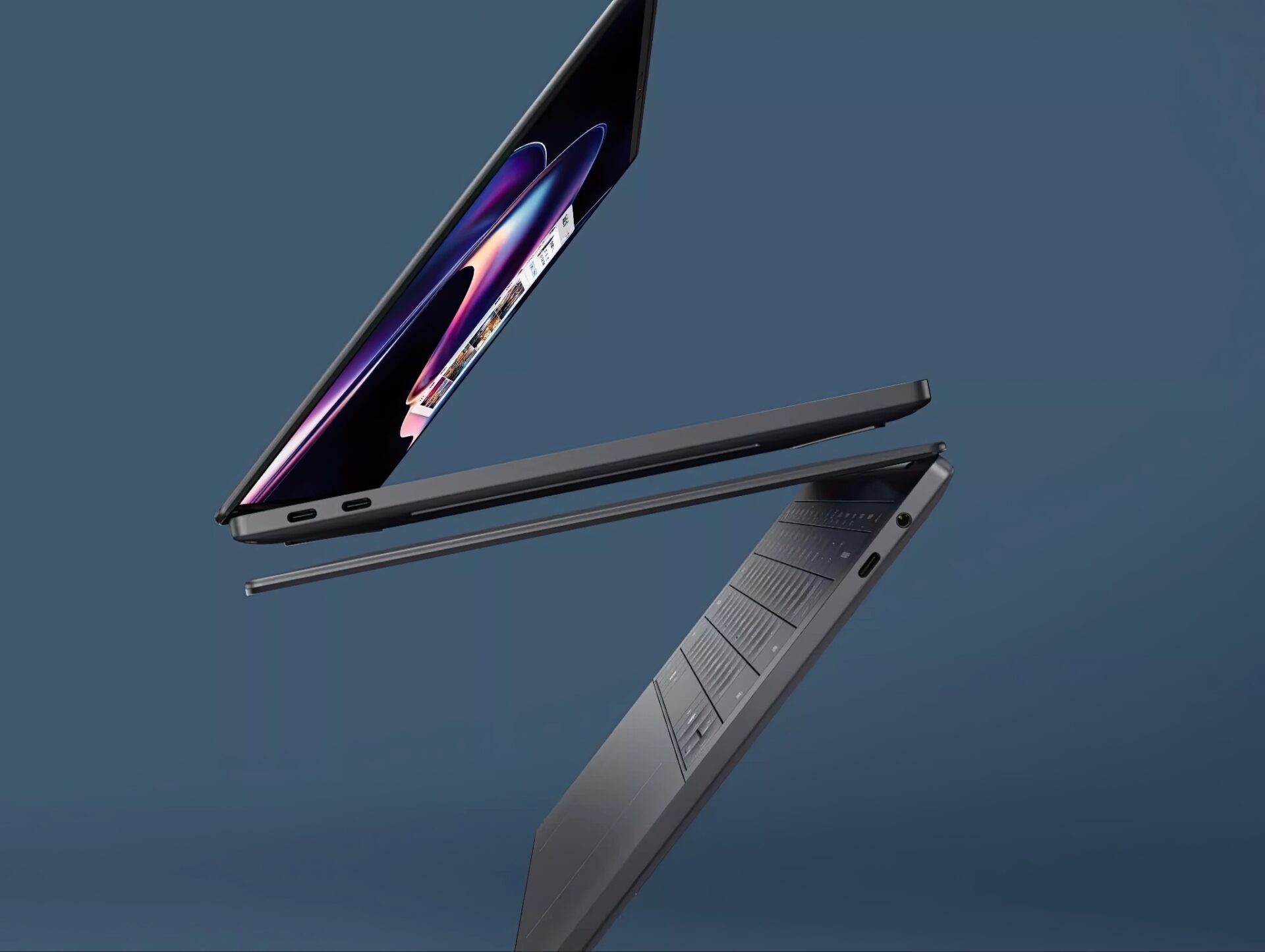
Dell's famed XPS laptop lineup is officially returning under its original identity, and the timing lines up perfectly with Intel's next major mobile platform launch. At CES 2026, the company unveiled two flagship machines, the XPS 16 and XPS 14, and offered a brief teaser of the upcoming XPS 13. The most notable common thread is that all of these devices are built on Intel's latest Core Ultra Series 3 processors, also known by the codename Panther Lake.
Premium Design and the Return of the Dell XPS Brand
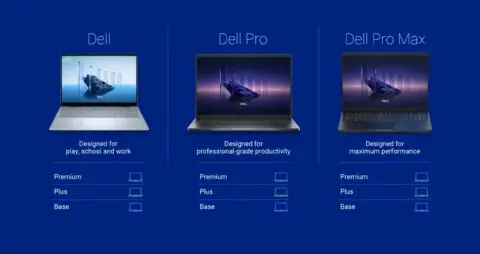
These new laptops mark an important reset for Dell, in both hardware and branding. They bring back the legendary XPS name, paired with Intel's newest mobile architecture, high-refresh-rate OLED display panels, LPDDR5X RAM of up to 64GB, and expandable storage of multiple terabytes at Gen5 speeds. The move also officially ends Dell's short and controversial naming experiment with Dell, Dell Pro, and Dell Pro Max, returning the company's premium laptop strategy to the XPS badge.

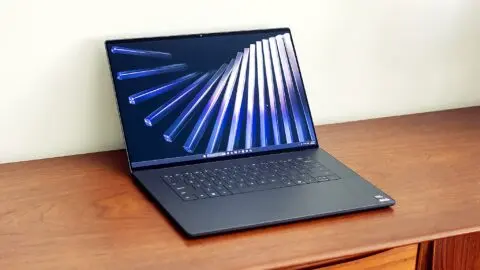
In terms of positioning, the XPS 16 and XPS 14 (2026) are meant to be thin, light productivity machines rather than hulking gaming rigs or desktop-replacement workstations. Dell continues to use precision CNC-machined aluminum for the chassis and Gorilla Glass 3 to protect the display. The new models start at just 14.6mm thick and weigh about 1.36 kg (3 pounds), which keeps them firmly in the ultraportable category despite the large screen sizes and high-end silicon inside.
The display and battery specs are aimed squarely at people who work on the move all day. Dell cites an impressive figure of up to 27 hours of battery life for general tasks, or more than 40 hours of local video playback, depending on configuration and workload. These are theoretical numbers, but they point to very aggressive power management built around Intel's latest architecture and Dell's own tuning.

Strong Performance From Intel Panther Lake Chips, and Pricing
Processor options for the XPS 16 and XPS 14 range from the Core Ultra 5 325 and Core Ultra 7 355 up to the higher-end Core Ultra X7 358H and the top-of-the-line Core Ultra X9 388H. The highest configuration, with the X9 388H, offers up to 16 CPU cores running at a maximum of 5.1GHz, backed by 18MB of cache and 12 graphics cores based on the new Xe3 architecture.
Dell has been much clearer about power draw and thermals than in past launches, which should appeal to performance-minded buyers. Dell says the XPS 16 runs at 25W in the "Optimized" profile and 35W in "Performance" mode, while the smaller XPS 14 is tuned to 19W and 27W for the respective modes. When the system needs maximum performance, both laptops can push the platform up to 65W under full turbo.

To sustain that load, Dell has moved to a dual-fan cooling setup. The company says the fans are 61% larger than before while producing 36% less noise. The memory and storage configurations reflect the expectations of a premium, work-focused audience. Dell offers 16GB, 32GB, and 64GB LPDDR5X RAM options, with speeds from 7467 MT/s to 9600 MT/s. For storage, buyers can choose NVMe SSD capacities of 512GB, 1TB, 2TB, and up to 4TB based on the PCIe Gen4 standard. The platform can also support Gen5 SSDs for users who want sequential read speeds of up to 14 GB/s or more.
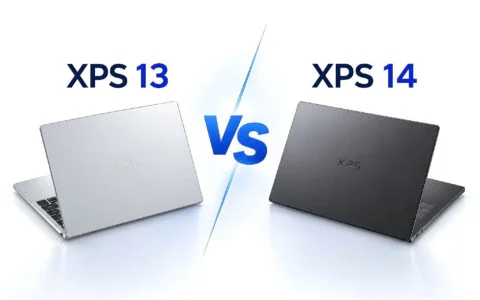
Alongside the 14-inch and 16-inch models, Dell also offered a glimpse of the next XPS 13. The company describes it as the thinnest and lightest XPS ever, at under 13mm thick, while keeping the design language of its bigger siblings, including a premium OLED display and the Intel Core Ultra Series 3 Panther Lake platform. The new XPS 13 is not yet available and is expected to launch later this year. On pricing, the XPS 16 starts at 2,199 USD, while the XPS 14 starts at 2,049 USD, and both models are expected to be available immediately.