
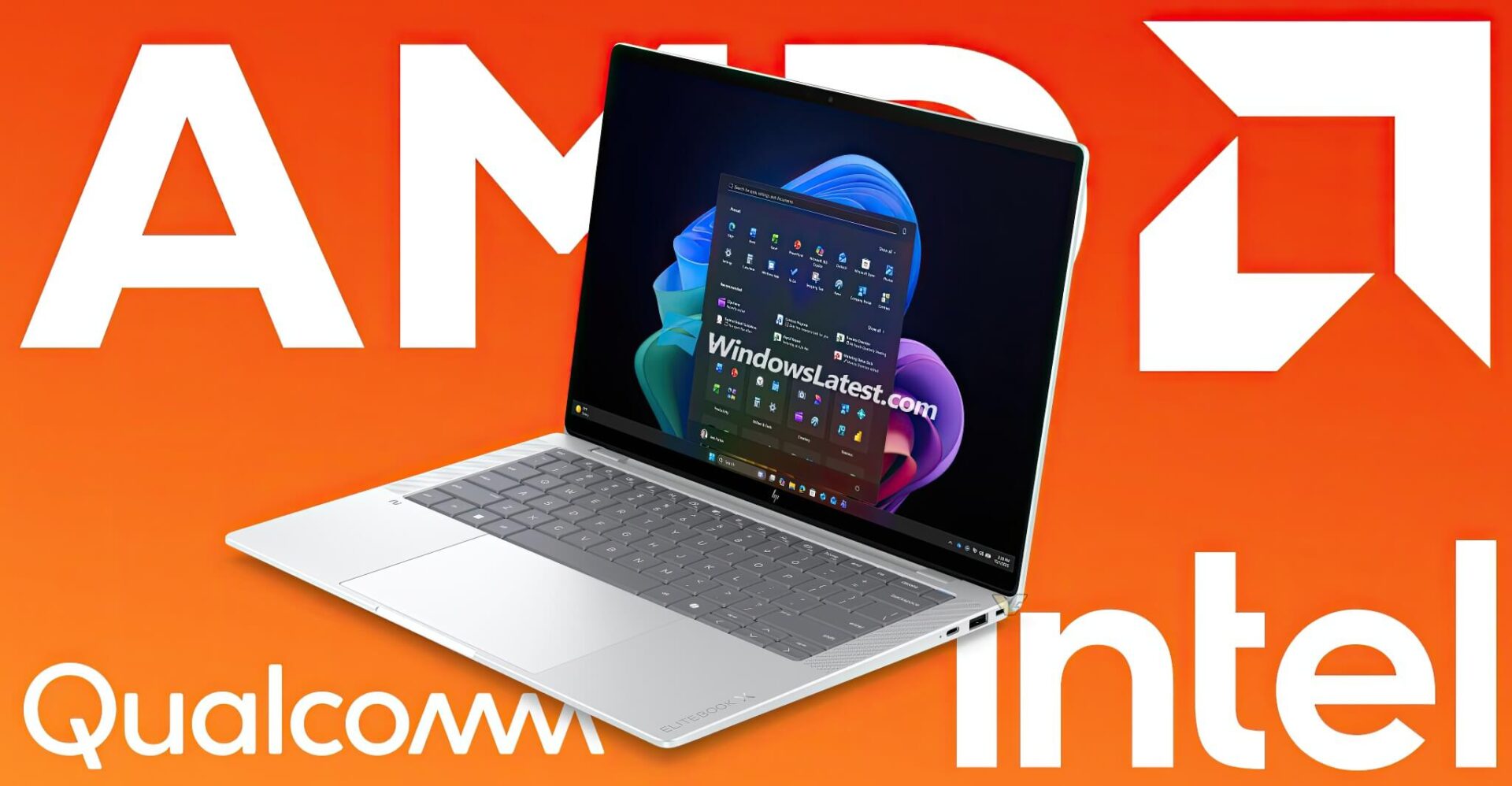
World-leading computer brand HP is planning a bold strategic move for its upcoming EliteBook X G2 laptop lineup. Accordingly, these laptop models will be equipped with processors from all three semiconductor giants-AMD, Intel, and Qualcomm-within a single chassis design. This strategy opens up opportunities for enterprise customers to access the three largest CPU architectures today under one premium business product line. This multi-processor strategy is designed to combine thin and light hardware and enterprise-grade security features with a much broader platform range than what previous EliteBook X generations offered.
HP EliteBook X G2 with three processor options in a single unified design
An internal roadmap from HP preparing for the CES 2026 tech show, obtained by Windows Latest, has detailed three nearly identical models. They include the EliteBook X G2a, G2i, and G2q. The primary difference between these versions lies in the internal "brains," using Ryzen AI 400, Panther Lake Core Ultra, and Snapdragon X2-series processors, respectively. This is a major step toward diversifying choices for end-users without changing the overall design language.
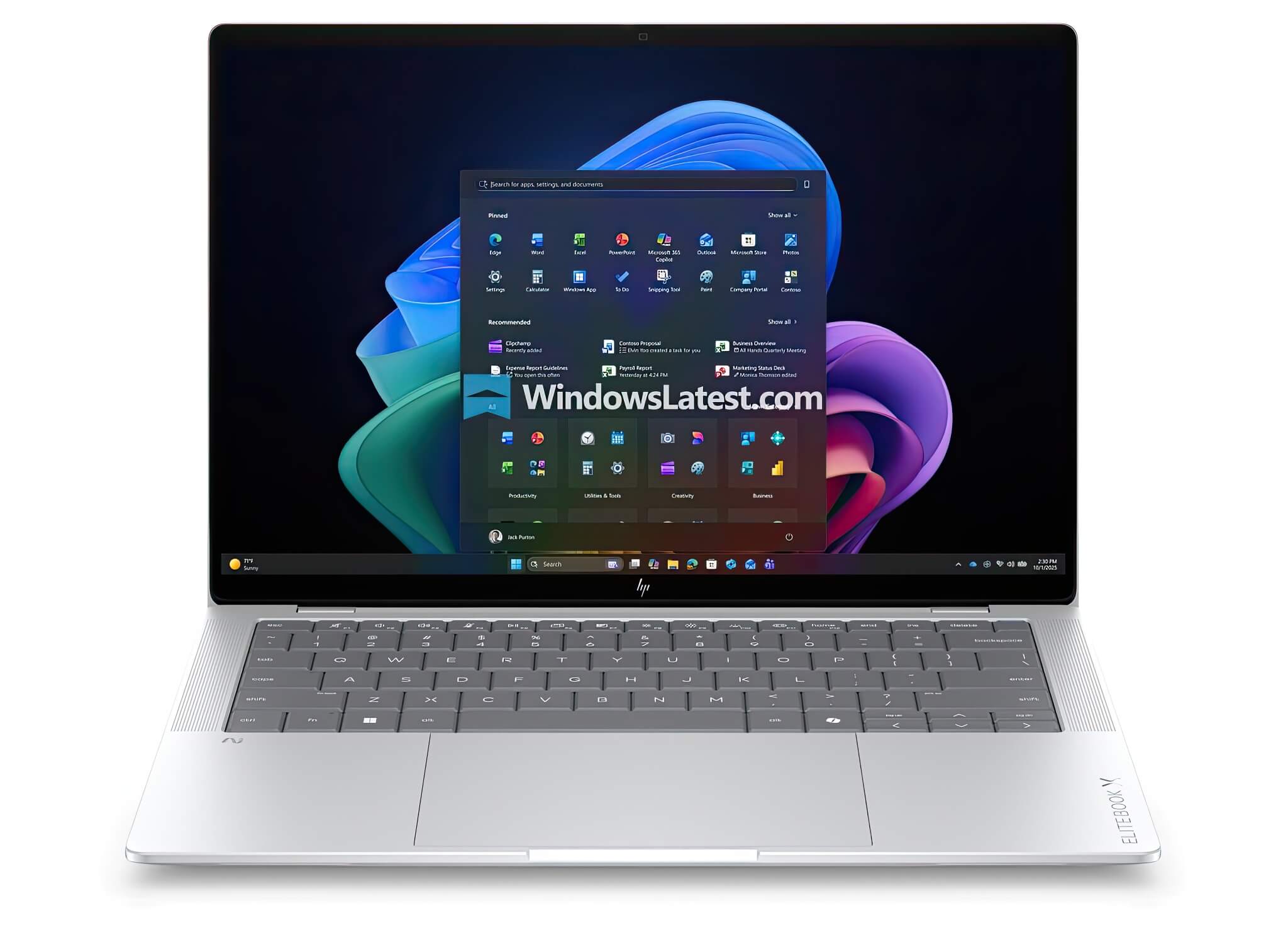
The EliteBook X line represents the highest-end segment in HP's enterprise laptop portfolio. This product line is famous for combining a thin and light form factor, strict enterprise-grade security features, and what HP promotes as next-generation Artificial Intelligence (AI) capabilities. To help readers visualize, the current generation on the market includes the EliteBook X G1a equipped with AMD Ryzen AI processors and the EliteBook X G1i using Intel Core Ultra chips. However, with the upcoming G2 generation, HP is expanding its strategy from two suppliers to a three-way architecture model.
According to leaked documents, these new systems will be indistinguishable from one another to the naked eye. Two of the upcoming models, the EliteBook X G2a and G2i, still follow HP's existing naming conventions and are tied to the next-generation platforms from AMD and Intel. Specifically, the G2a model will adopt AMD's Ryzen AI 400 series, positioned in a higher segment compared to the current Ryzen AI processors used in the EliteBook X G1a. Meanwhile, the G2i model will align with Intel's Panther Lake Core Ultra platform, marking a significant update to Intel's latest architecture, far surpassing the Core Ultra chips currently powering the G1i model.
This transition is expected to bring new Neural Processing Units (NPUs) along with updated CPU and GPU blocks, heavily optimized for AI-supported workflows in the Windows 11 operating system. However, current leaked information does not yet include detailed configuration tables such as core counts, Thermal Design Power (TDP) ranges, or specific Stock Keeping Units (SKUs).
The arrival of Qualcomm and benefits for enterprises
The most notable change in the EliteBook X G2 family is the introduction of the EliteBook X G2q model, bringing the Qualcomm name into HP's enterprise product line. The "q" suffix in the leaked documents appears to indicate a configuration based on the Qualcomm platform, with a high probability that the device will use the Snapdragon X2-series chipset. Offering the Snapdragon X2 option gives HP an Arm-based architecture alternative alongside traditional x86 models. This is particularly attractive to customers prioritizing long battery life and workloads optimized for Windows on the Arm platform.
All three EliteBook X G2 variants are reported to be physically identical, with no external indicators to distinguish between the AMD, Intel, or Qualcomm versions. This suggests that HP is treating CPU selection as an internal configuration option, allowing businesses to deploy a uniform fleet of EliteBook X G2 laptops in appearance, even if they use a mix of different processor architectures across different regions or departments.
For organizations considering the adoption rate of new NPUs or Arm-based Windows systems, the AMD, Intel, and Qualcomm options in the G2 family provide an excellent solution. It allows them to evaluate the effectiveness of each platform in real-world work environments while keeping the rest of the hardware system consistent and easy to manage.