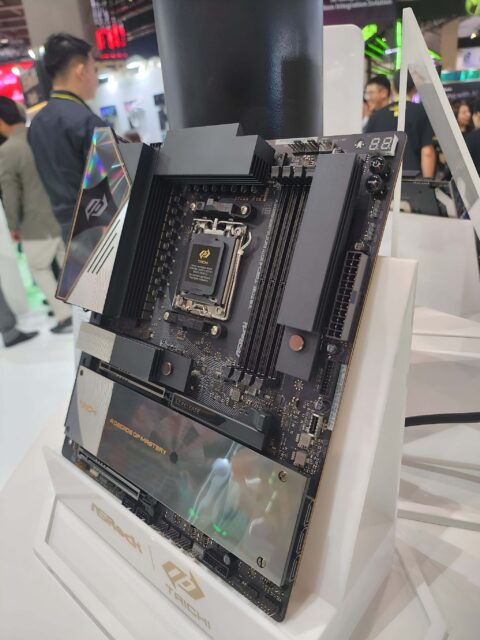

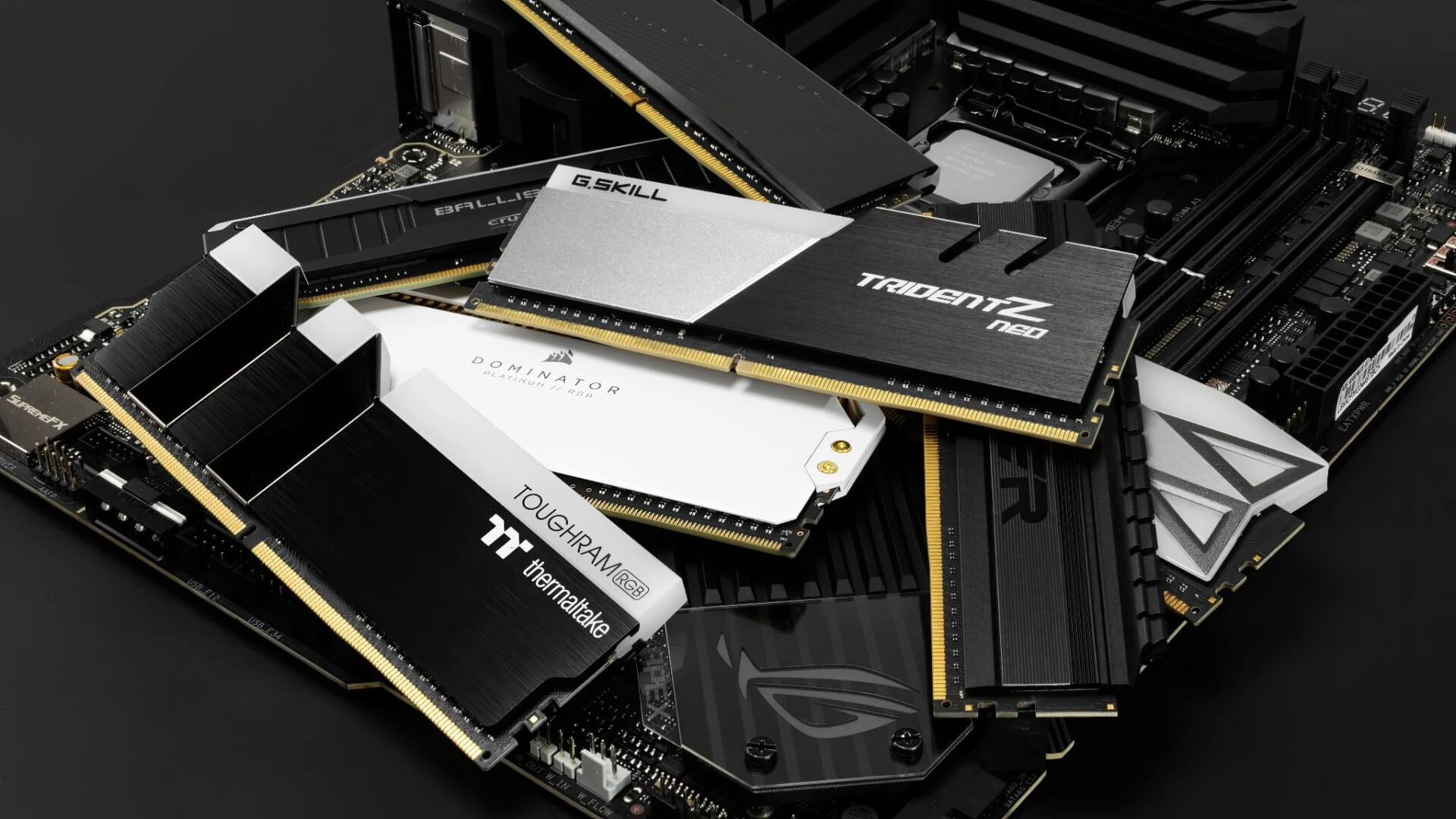
PCs and smartphones are facing the risk of significant price hikes in the coming period as memory component prices escalate day by day. The severe shortage of consumer DRAM, stemming from the insatiable demand for high-bandwidth memory from Artificial Intelligence (AI) data centers, is creating a major imbalance. A recent report has issued a serious warning that if this situation persists, prices could surge by up to 8%, marking the end of the era of cheap components.
The PC market faces declining sales and a price storm
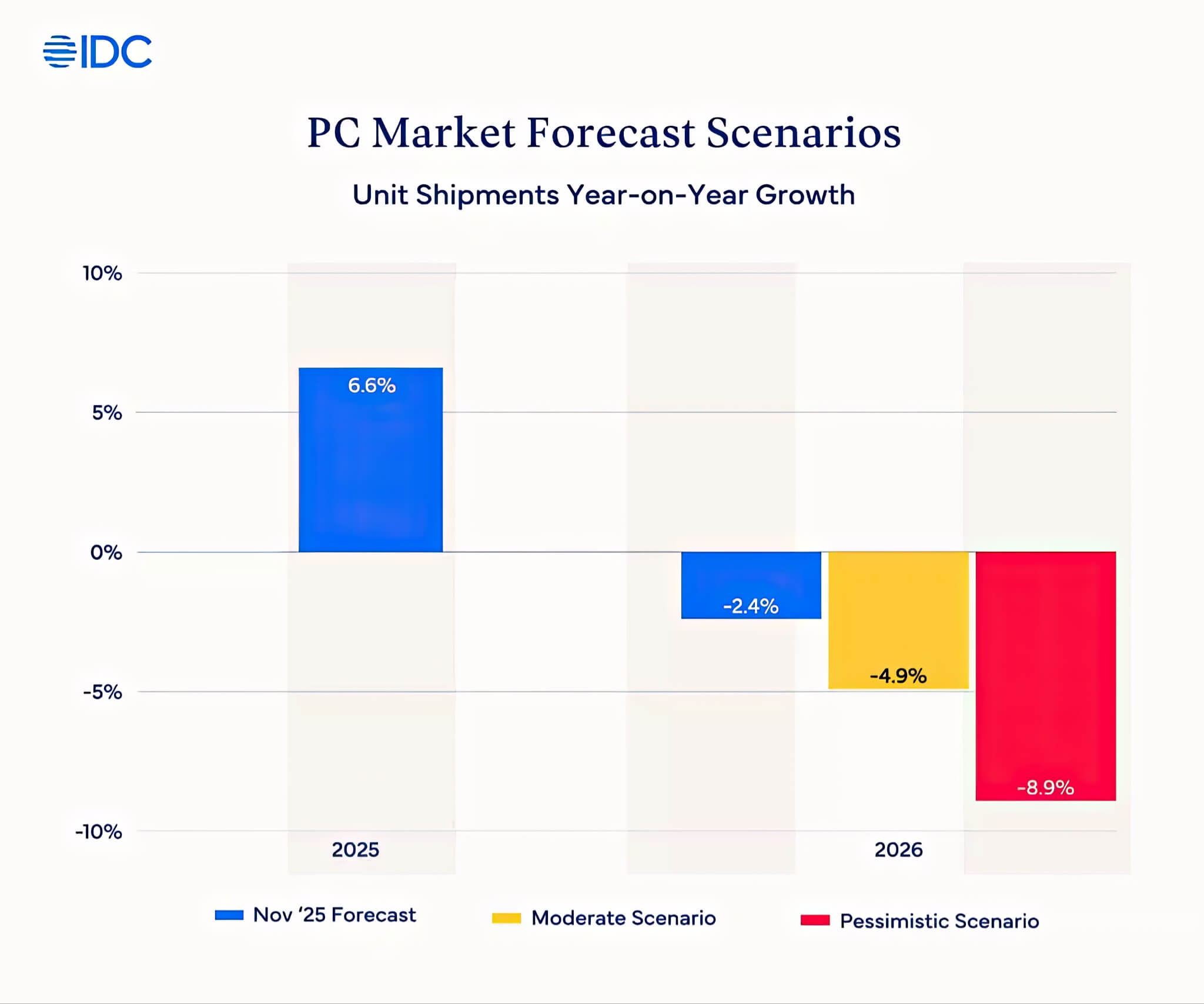
According to insights from IDC, the world's leading information technology market research and analysis firm, the outlook for the PC industry in the coming year looks quite bleak. IDC warns that PC sales could drop by up to 8.9% next year if the DRAM shortage worsens. Even under current conditions, the market is projected to shrink by an additional 4.9%, a much more pessimistic figure compared to the previous forecast of only a 2.4% decline by 2026. This indicates that consumer purchasing power is being seriously threatened by the pressure of component inflation.
In response to rising input costs due to memory shortages, PC manufacturers are preparing for price adjustments. Expected increases could reach up to 8% to offset costs. A series of major brands, including names familiar to Vietnamese users such as Dell, Lenovo, HP, Asus, and Acer, have all confirmed upcoming price hikes. Analysts also predict that other Original Equipment Manufacturers (OEMs) will follow suit. This means consumers will soon see a noticeable increase in PC prices on store shelves in the coming months.
Experts at IDC suggest that the NAND and DRAM shortages will persist until 2027. This assessment marks the end of an era where we benefited from abundant and affordable memory and storage. Notably, this price hike comes at an extremely difficult time for the PC industry. Currently, Microsoft is actively pushing users to upgrade to AI-supported PC lines, which require more memory, especially as the official end-of-support for Windows 10 approaches in October. The combination of mandatory upgrade demands and rising costs will place users in a "dilemma."
Divergent impacts on the smartphone market
It is not just PCs; the wave of memory component price increases is also spreading to the mobile market, making smartphones and tablets more expensive in the coming year. To cope, manufacturers are forced to choose between increasing selling prices or cutting hardware specifications. The average selling price of smartphones could increase by 3% to 5% in a medium scenario, or even as much as 6% to 8% in a more pessimistic scenario.
The impact of this price storm will not be uniform across brands. Smartphone brands in the budget and mid-range segments such as TCL, Transsion, Xiaomi, Realme, Oppo, Vivo, Honor, and Huawei are expected to be the most heavily affected. Since the profit margins of these brands are already very low, they have no choice but to pass these increased costs on to consumers.
In contrast, the two giants, Samsung and Apple, may adopt a "wait-and-see" strategy. Thanks to their strong financial capabilities, they have secured memory supply contracts for the next 18 to 24 months, creating a safety buffer against acute price fluctuations. However, the tight market could still cause certain technical consequences. Specifically, this could prevent these two giants from upgrading RAM capacity from 12GB to 16GB on next-generation flagship lines, slowing down the momentum of hardware specification advancements.
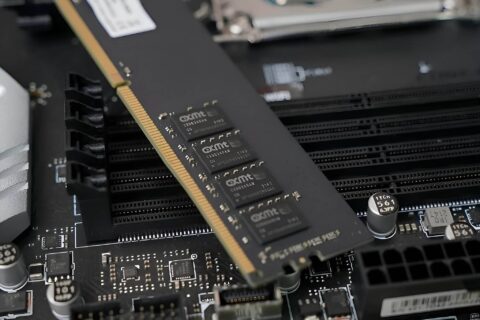
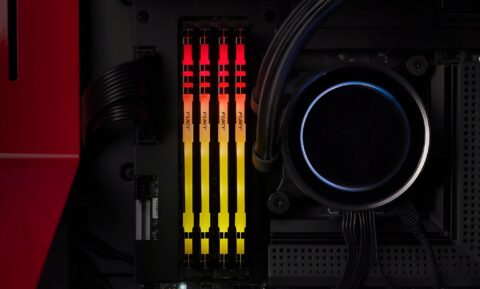
If the memory shortage continues into 2027 as forecasted, consumers may face significantly higher prices when wanting to upgrade RAM or purchase new SSDs. With no signs of cooling down in the short term, the PC and Smartphone markets are likely to witness continued escalating costs before the supply-demand imbalance begins to resolve.