
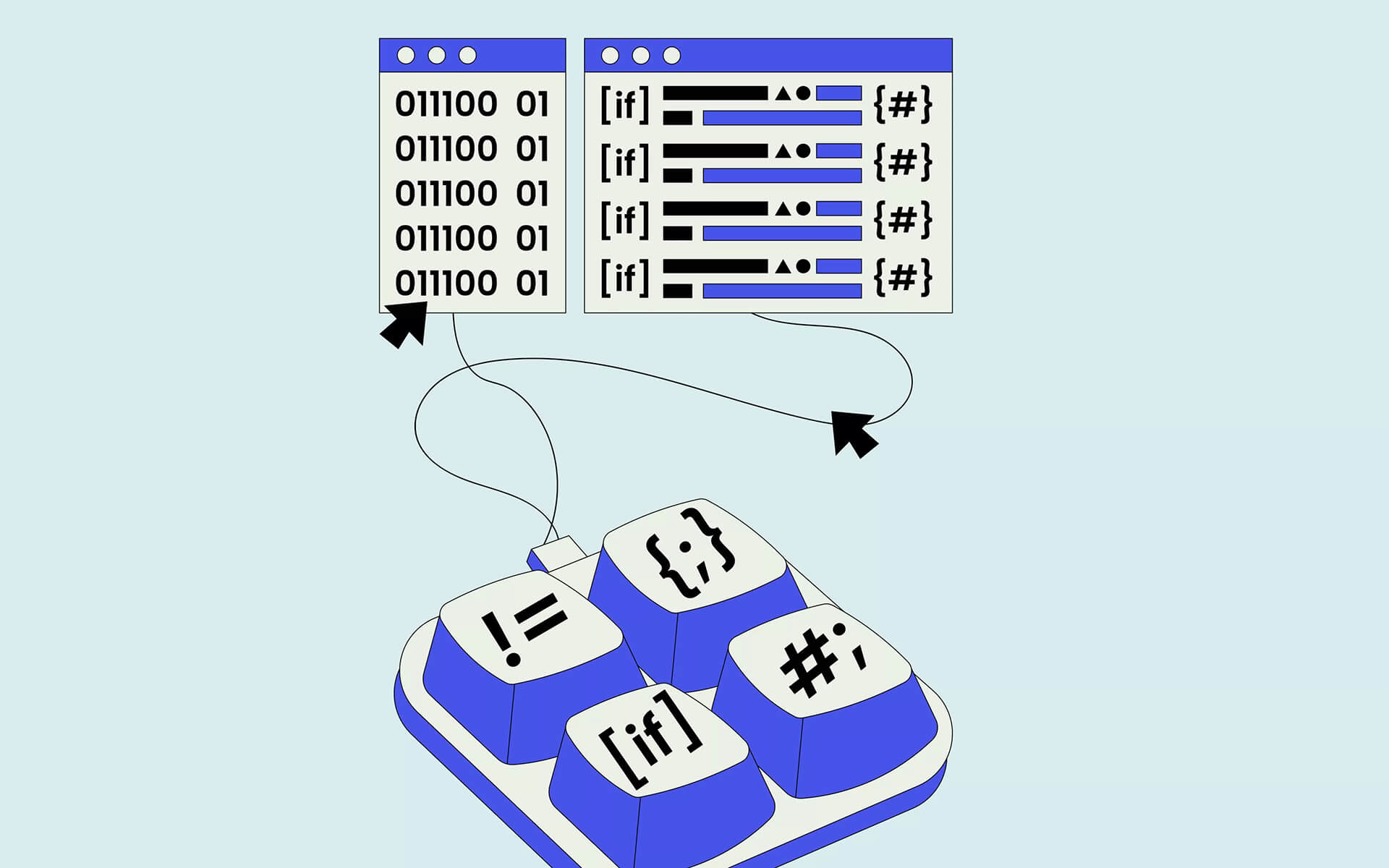
In software engineering, source code undergoes many stages from the time it is written by a programmer to the moment it is executed by a computer. Initially, high-level source code, written in languages such as Python or Java, is gradually converted into Machine Code - a binary sequence of 1s and 0s - the lowest-level language that a computer can understand and process. Before reaching this stage, code is often compiled into an intermediate format called bytecode, which acts as a bridge between high-level source code and Machine Code, helping to optimize the execution process across various different systems.
Machine Code (Machine Language / Machine Code) is what?
Machine Code is the most fundamental level of encoding, designed so that computers can read and execute it directly. This is the language of the machine, existing in binary form (consisting only of 0s and 1s), corresponding to specific instructions or operations that help control hardware such as the CPU and memory.
Due to its complex and low-level nature, Machine Code cannot be read or understood by humans or higher-level software systems. Programming languages used by humans, such as Java or C, are typically compiled or assembled to be converted into Machine Code before execution.

The Role of Machine Code
Machine Code acts as a bridge between software and hardware, ensuring that instructions from high-level programming languages can be converted into instructions that the computer understands and executes. At the same time, it is optimized for each specific type of hardware, helping to achieve maximum performance.
Example: a simple Python program that prints “Hello, World!” needs to be compiled into Machine Code to run on a specific processor (e.g., x86-64 architecture). This process transforms code that is easy for humans to understand into a binary sequence that the computer can execute.

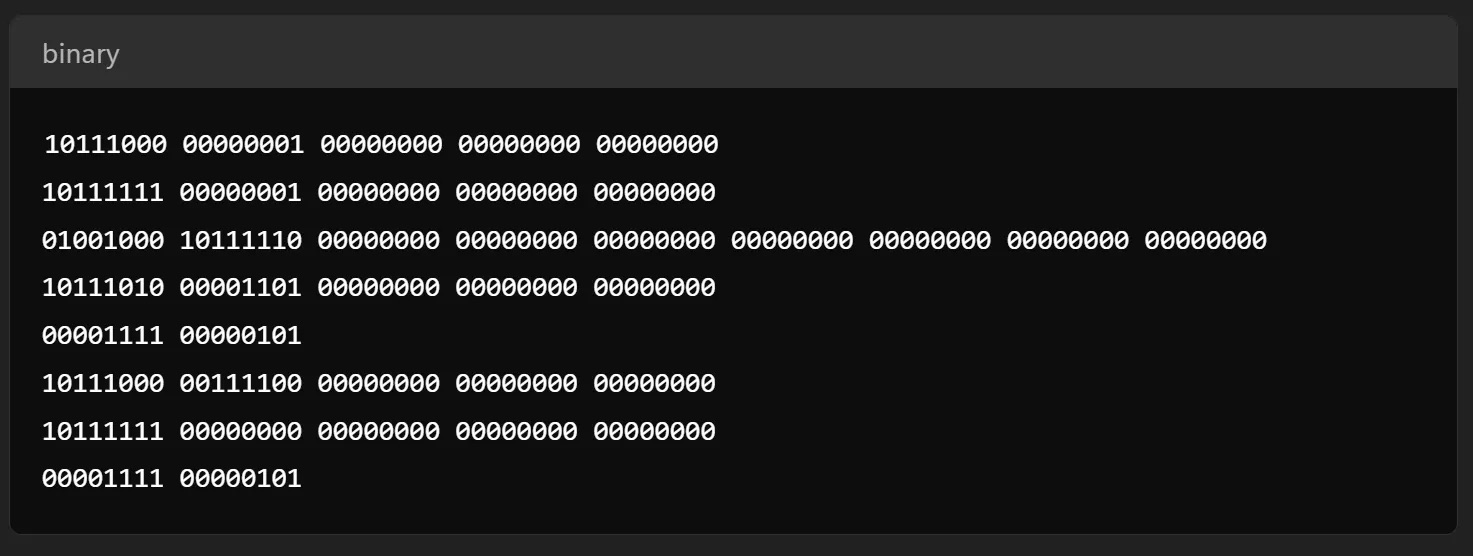
Additional Note: This article was published by the team at Pure Storage - a technology company specializing in providing flash data storage solutions for enterprises. This is an educational article that we are reposting with permission from Pure Storage.
Quick facts about Machine Code.
- Machine Code has the ability to interact directly with hardware components.
- Machine Code is hardware-specific; therefore, it is designed to suit the specific architecture of computer hardware, meaning Machine Code written for one type of processor may not work on another.
- Machine Code cannot be read by humans and can be very complex. This is why high-level programming languages, which simplify many steps, are necessary.
- Machine Code instructions are executed directly by the CPU without any additional interpretation or translation, making it extremely fast and efficient.
Bytecode (Byte Code) is what?
Bytecode is an intermediate form of code designed to be lightweight, platform-independent, and easy to move between systems. It acts as a bridge between high-level source code (written by programmers) and Machine Code (which can be understood and executed directly by hardware).
Bytecode cannot be read by humans like source code, nor can it run directly on hardware like Machine Code. Instead, source code is converted into bytecode by a compiler, and this bytecode is then executed by a virtual machine (VM) or an interpreter. In some cases, bytecode can be further compiled to optimize performance.
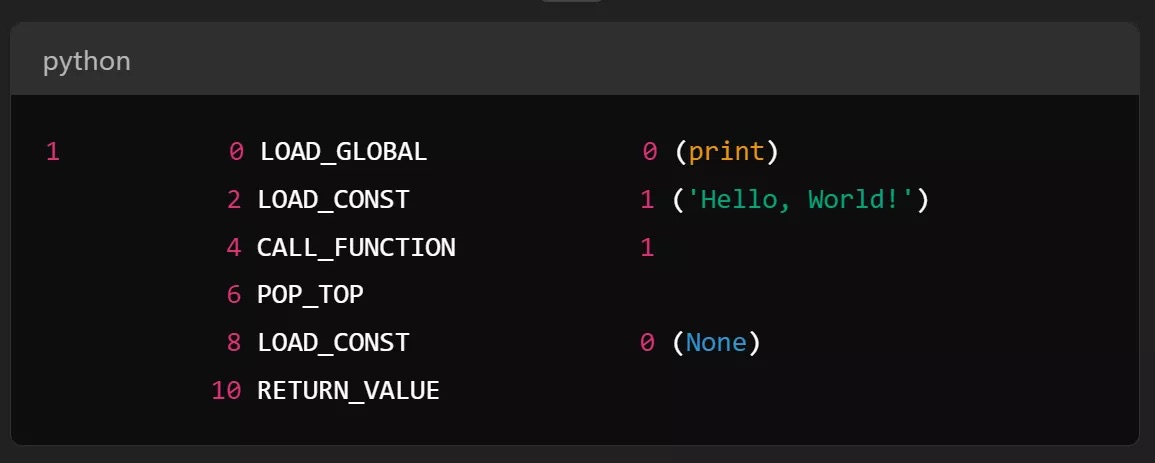
Example of Bytecode: When you write a Python program that prints “Hello, World!” (source code .py), it will be compiled into bytecode (.pyc). This bytecode is then processed by the Python Virtual Machine (PVM) for execution. Similarly, Java uses the Java Virtual Machine (JVM) to execute its bytecode.
Why is Bytecode important?
Bytecode helps modern software run on many platforms, from mobile devices to servers, regardless of the specific operating system or hardware. This is achieved thanks to the standardized nature and portability of bytecode.
Compared to Machine Code, which only works on one specific type of hardware architecture, bytecode is lighter and more adaptable. As long as there is a suitable virtual machine on the system, bytecode can be executed efficiently without needing to rewrite code for each platform.
In summary: Bytecode is a simplified, lightweight version of high-level source code (e.g., Java or Python). It cannot run directly but must go through a virtual machine or an interpreter. As a result, bytecode plays a crucial role in ensuring software operates flexibly across various different systems. Bytecode is also known as p-code (portable code).
Quick facts about bytecode.
- Bytecode allows code to be executed on many different platforms and is easier to interpret. As long as the system has a suitable virtual machine (e.g., Java Virtual Machine), bytecode can be executed without modification.
- Bytecode helps reduce dependency on hardware and operating systems.
- Bytecode is not intended to be understood or written by humans; it is a numerical representation of the original source code.
- In software development, there is always a trade-off between programmer productivity and program performance. Abstraction, while allowing for higher flexibility and portability, can increase the overhead for a program, but just-in-time compilers can improve performance through immediate dynamic translation.
- Bytecode cannot run directly on hardware. It must be interpreted by a virtual machine (e.g., JVM for Java) or converted into Machine Code beforehand.
- Inspecting, debugging, and diagnosing on bytecode can be more complex and time-consuming. There is a lack of direct control or hardware optimization.
Why is Machine Code usually faster than Bytecode?
Machine Code is faster than Bytecode because it does not require any abstraction layer or interpretation process to execute. This leads to optimal performance when processing tasks on hardware.
Performance Differences
1. No Abstraction Layer:
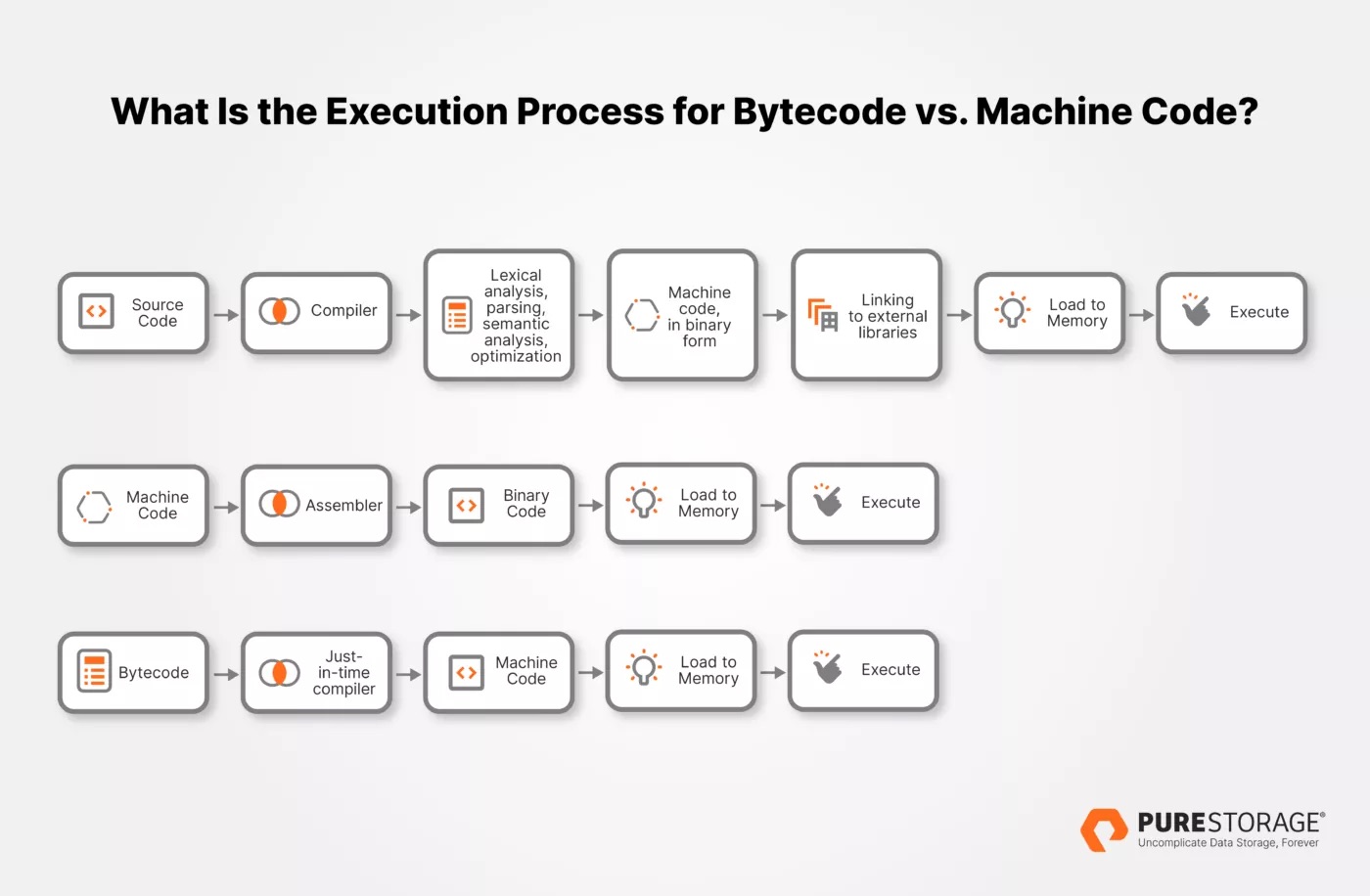
- Machine Code is designed specifically for hardware, eliminating the need for interpretation or intermediate translation. This means the CPU can read and execute instructions immediately.
- Bytecode requires a virtual machine or an interpreter to convert intermediate instructions into Machine Code. This process adds latency and consumes resources.
2. Hardware Optimization:
- Machine Code is tightly coupled with the hardware, including cache, CPU, and other components, allowing for maximum utilization of hardware capabilities.
- Bytecode, due to its platform-independent nature, cannot effectively exploit proprietary hardware features.
3. Execution Performance:
- Machine Code is pre-compiled, directly from source code to machine language, ensuring the highest performance.
- Bytecode, even when optimized with techniques like JIT (Just-In-Time Compilation), still requires time to convert and execute during runtime.
Benefits of Machine Code
- Speed: No interpretation step required, leading to faster execution time.
- Specific Optimization: Compilers can fully utilize hardware features to optimize code.
- Low Resource Consumption: Reduced CPU and memory usage compared to Bytecode.
What are the advantages of Bytecode?
Although slower than Machine Code, Bytecode has advantages:
- Platform Independence: Bytecode can run on any system that has the corresponding virtual machine (e.g., JVM for Java, PVM for Python).
- Portability: Easy to deploy applications across many different environments without recompiling.
- Faster Development: The abstraction layer helps programmers focus on application logic instead of hardware optimization.
Conclusion
Machine Code is the optimal choice when performance is the top priority, especially in applications requiring fast processing and limited resources. Meanwhile, Bytecode provides flexibility and portability, making it more suitable for multi-platform systems.
Frequently Asked Questions about Bytecode and Machine Code.
Is Binary the same as Bytecode?
No, binary code is not the same as Bytecode. Although both are written in binary form (a sequence of 1s and 0s), they serve different purposes:
- Binary code is low-level code that can be executed directly by computer hardware. It represents data and instructions in a language that the machine can understand and perform. This code is specific to the hardware it runs on. Machine Code has almost no abstraction - it is designed to interact directly with hardware.
- Bytecode is intermediate code. Unlike binary code, Bytecode is not executed directly by hardware but is processed by an interpreter or a virtual machine. Bytecode is created by a compiler from a high-level programming language (e.g., Java) and is optimized for portability and ease of interpretation. Bytecode has a medium level of abstraction, being closer to source code than Machine Code. This abstraction helps Bytecode be easily interpreted on many platforms, but it cannot interact directly with hardware without an interpreter.
Is .NET CIL the same as bytecode?
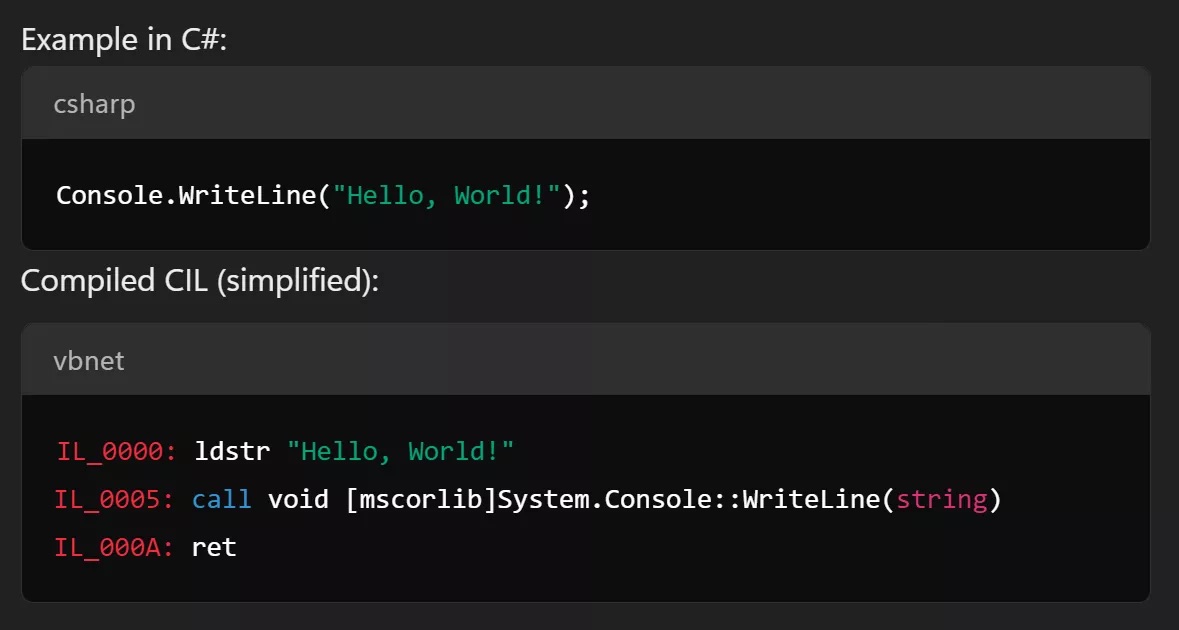
Yes, Common Intermediate Language (CIL) in Microsoft's .NET framework is a form of bytecode. Similar to Java, .NET operates on the "write once, run anywhere" principle. A compiler converts source code written in .NET languages into CIL instructions. These instructions can then be executed on any system that has a compatible Common Language Runtime (CLR) environment.
What is Bytecode in Java?
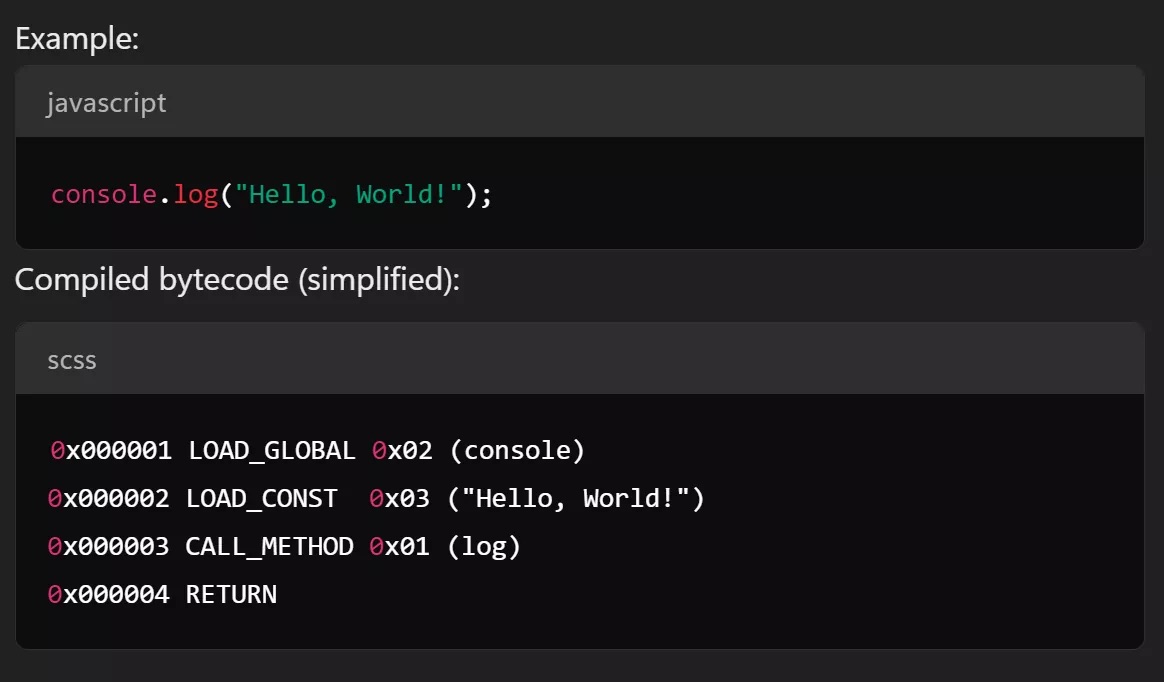
Java is one of the modern programming languages with high portability, and bytecode is a key factor for this characteristic. When a Java application is compiled, the compiler generates bytecode instead of Machine Code.
When a Java application is written, it is compiled and generates bytecode, providing instructions for the JVM, which acts as an interpreter for each method in the Java program. The Machine Code it produces can be executed efficiently by the CPU.
How do just-in-time compilers improve bytecode performance?
Just-in-time compilers can help developers gain benefits from both aspects: the portability of high-level programming languages compiled into bytecode, combined with the performance of Machine Code and better optimization of specific features of each type of machine.