
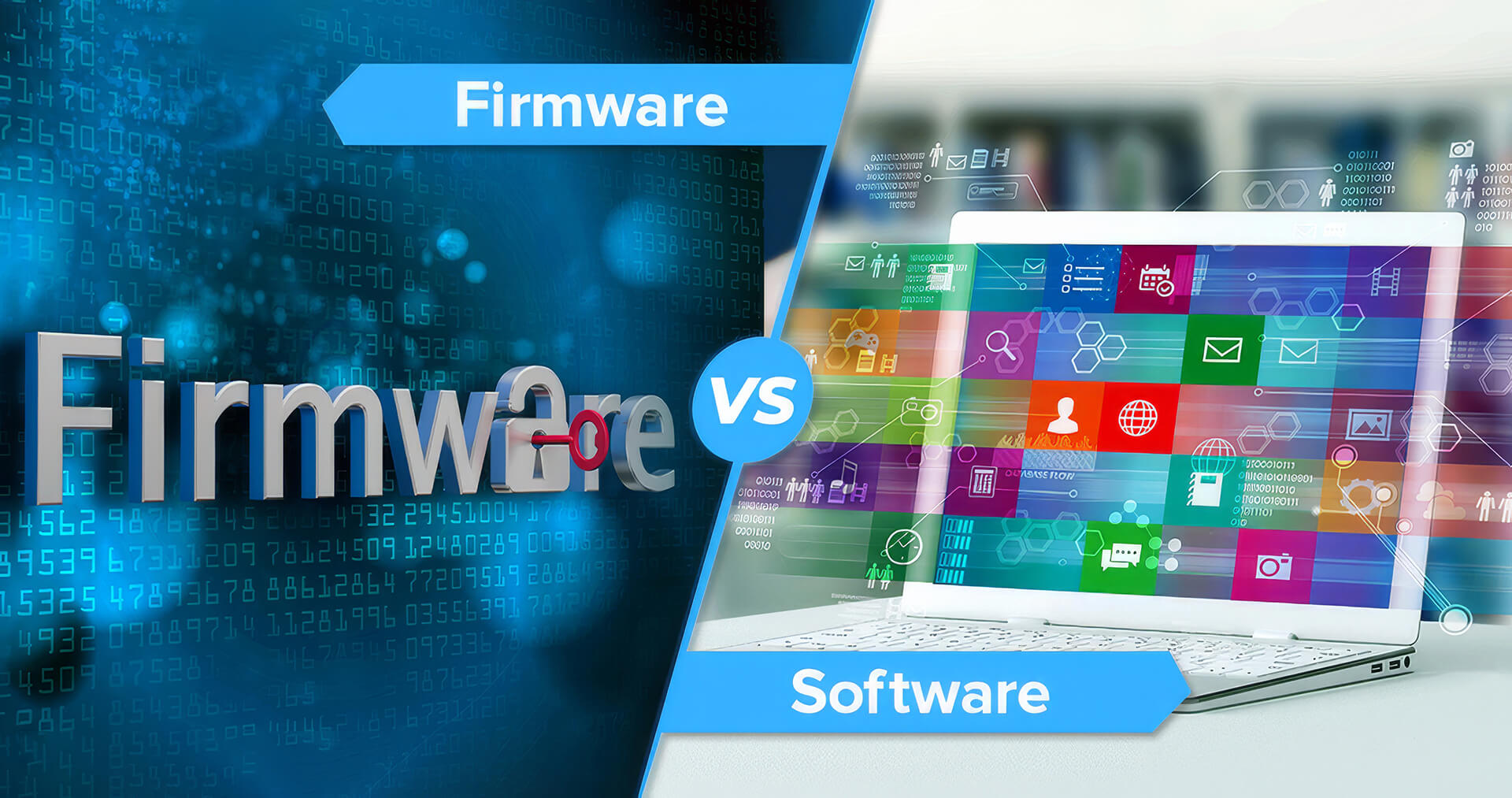
Distinguishing Firmware and Software is a fascinating and important topic in today's technology world. As electronic devices become increasingly popular and complex, understanding these two types of software will provide us with a more comprehensive and profound insight into how devices operate.
Basic Concepts of Firmware and Software
To clearly understand the difference between Firmware and Software, we first need to grasp the basic concept of each type.
What is Firmware?
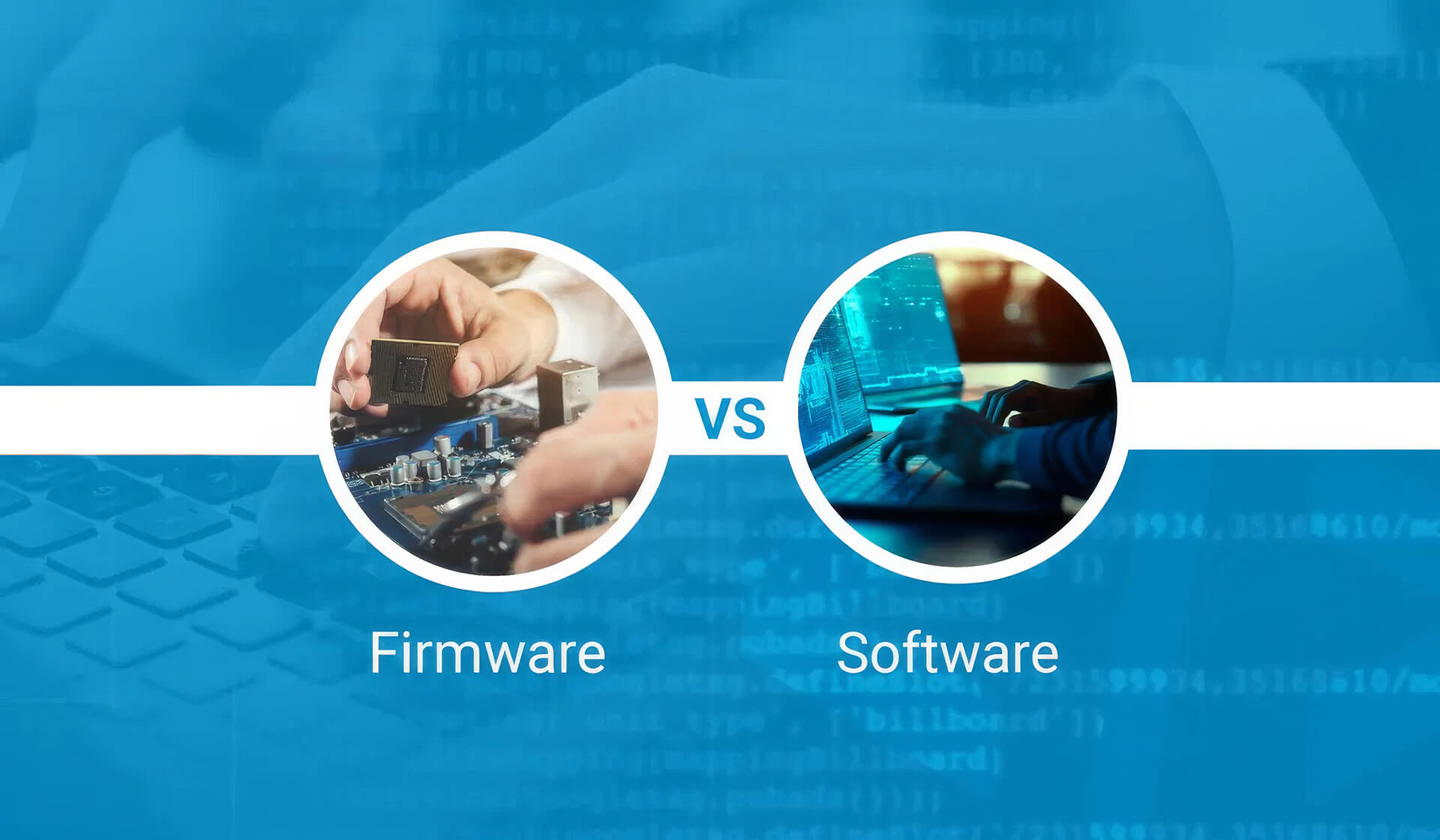
Firmware can be defined as a software program written into the non-volatile memory of a hardware device. This means it cannot be easily changed or deleted like other regular software. Firmware is installed during the manufacturing process and plays a crucial role in enabling hardware to function. It is like the foundation of the software stack, similar to an operating system but dedicated to specific hardware.
Firmware versions can be stored on various types of memory, such as ROM, EPROM, or flash memory. Interestingly, the term "firmware" was first coined by Ascher Opler in 1967, showing that although technology has evolved significantly, the fundamental principles remain valid.
What is Software?
In contrast, software is a broader term that includes all types of computer programs that users can interact with directly. Software can be installed and uninstalled without much difficulty. It is designed to serve user needs, from office applications to video games, and even more complex operating systems.
Software is not merely a set of commands; it also includes user interfaces, user experiences, and complex features. This makes software more user-friendly and easier to interact with compared to firmware, which most users do not need to know the underlying operational details of.
The Necessity of Firmware and Software in Modern Technology
In the digital age, the combination of firmware and software is essential. Firmware ensures that hardware operates efficiently and stably, while software provides a rich and convenient experience for the user. Both support each other to create complete and diverse technological products.
Differences in Definition and Function between Firmware and Software
When talking about distinguishing Firmware and Software, it is important to understand the different functions that each type provides.
Functions of Firmware
Firmware is designed to provide basic instructions for hardware to operate. This is the code that hardware must follow to perform specific functions. For example, BIOS/UEFI on a personal computer is the first firmware that the system loads every time it boots up. It initializes and checks the hardware before the operating system is loaded.
Additionally, firmware can be updated to improve performance, fix bugs, enhance security, or add new features. These updates are very important in maintaining the performance and security of the device.
Functions of Software
Software plays a major role in creating interactive experiences for users. It allows users to perform tasks such as browsing the web, watching videos, playing games, or working with documents. Furthermore, software can be designed to interact with many different types of hardware, without being bound to one specific device.
It is noteworthy that software has the ability to be updated and changed more frequently than firmware. Software developers continuously release updates with new features, bug fixes, and performance improvements.
The Relationship between Firmware and Software
Although firmware and software have different functions, they still exist within the same system. Firmware is the bridge between hardware and software. When a software application requests a specific function from the hardware, the firmware processes that request and communicates information between the two sides.
Understanding this relationship is also very important when discussing embedded systems-where firmware and software work closely together to ensure devices operate smoothly and efficiently.
Structure and Operation of Firmware
To better understand firmware, we need to explore its structure and how it operates.
Structure of Firmware
Firmware is usually stored in non-volatile memory types such as ROM, EPROM, or flash memory. This means that when a device is manufactured, the firmware is installed and ready to run immediately.
The structure of firmware is quite simple yet efficient. It contains the necessary commands and settings for the hardware to operate correctly. Firmware is optimized to work with specific hardware, allowing it to perform tasks quickly and efficiently.
How Firmware Operates
When a device is powered on, firmware is loaded into memory. Immediately after, it begins executing startup processes, checking hardware, and preparing to load the operating system. If everything goes smoothly, the firmware hands over control to the operating system or other software.
An interesting point is that firmware is also responsible for managing software updates. If there is a firmware update, the device may automatically download and install it or require the user to perform it manually. Keeping firmware up to date is crucial to ensuring the safety and security of the device.
Firmware in IoT Devices
In the era of the Internet of Things (IoT), firmware is becoming increasingly important. Many smart devices such as smart lights, smart thermostats, and sensors all rely on firmware to function. This allows these devices to connect and interact with each other over a network, opening up many new opportunities for innovative and convenient applications.
Updating firmware over the network is becoming increasingly common, helping IoT devices always operate with peak performance and highest security. Therefore, users should note to keep the device turned on during the update process to avoid errors.
Structure and Operation of Software
As mentioned in the previous section, software is a broader concept and has a more complex structure than firmware.
Structure of Software
Software can be divided into many different types, from simple applications to complex operating systems. Each type of software will have its own structure, including modules, libraries, user interfaces, and many other components.
For example, a mobile application may include a user interface, APIs to communicate with a server, and data processing logic. All these components must work together to provide a seamless experience for the user.
How Software Operates
When a user starts an application, the operating system loads the software into memory and begins executing the commands. Software will perform tasks according to user requests and send signals to the hardware to perform the corresponding operations.
Software also has the ability to interact with drivers to control hardware. Drivers are small programs that help software communicate with hardware, and they are often installed along with the software.
Flexibility of Software
One of the biggest benefits of software is its flexibility. Users can install, uninstall, or update software easily without affecting the hardware. This not only helps minimize risks but also allows users to take advantage of new features and continuous improvements.
For instance, a video application on a phone can be frequently updated to improve performance or add new features. This helps users always have the best experience when using the product.
Illustrative Examples of Firmware and Software in Electronic Devices
To better understand the difference between firmware and software, we can look at a few illustrative examples in electronic devices.
Example of Firmware
A typical example of firmware is in a personal computer. BIOS/UEFI is the basic firmware that helps boot the computer and check the hardware. It provides basic options for the user and allows the operating system to be loaded into memory.
Additionally, graphics cards also have their own firmware. The firmware of a graphics card controls how the card operates and interacts with game software or graphics applications. If the firmware is not updated, the graphics card may not perform well with the latest games.
Example of Software
Regarding software, the Windows operating system is a prime example. This operating system not only helps users interact with the computer but also provides an environment for other applications to run. Users can install office applications, play games, or browse the web through this operating system.
Specific applications like Microsoft Office or Adobe Photoshop are also typical examples of software. They are designed to serve specific user needs and frequently receive updates to improve the user experience.
The Difference Between Firmware and Software in Application
When comparing firmware and software in the same device, we can see that firmware is fixed and specialized software for hardware, while software is flexible and can change according to user needs.
For example, in a smartphone, firmware will manage basic functions such as Wi-Fi, Bluetooth, and camera connectivity. Meanwhile, application software like Facebook or Instagram allows users to interact, share, and socialize with friends.
Interaction and Relationship Between Firmware and Software
The relationship between firmware and software is inseparable. They always interact and support each other in ensuring the operation of the device.
Interaction Between Firmware and Software
When a user starts an application on a device, the software sends a request to the firmware to perform the necessary functions. For example, if an application requests to write data to memory, the firmware will process this request and transfer the information to the appropriate memory.
Firmware is also responsible for ensuring that software does not cause any errors during interaction with the hardware. If a problem occurs, the firmware will notify the software so that the situation can be handled appropriately.
Mutual Support Relationship
Firmware and software not only interact but also support each other to optimize device performance. Good firmware will help software run more smoothly and efficiently. Conversely, optimized software can help firmware perform functions quickly and accurately.
For instance, in a printer, firmware will manage how the printer operates, while software will provide an interface for the user to send print commands. If the firmware does not operate correctly, the software will not be able to perform the printing function.
Update and Maintenance
Updating firmware and software is also an important part of this relationship. Firmware updates are usually aimed at improving the performance and security of the device, while ensuring that software operates stably. Users also need to regularly update software to take advantage of new features and fix bugs.
It is important that users keep the device turned on during the update process to avoid errors.
Article Overview
In summary, distinguishing Firmware and Software not only helps us better understand how electronic devices operate but also helps users make the most of their device's features. Both firmware and software play important roles in ensuring performance and user experience, and they always interact and support each other to create a perfect technological ecosystem. The key to harnessing the power of technology lies in understanding and correctly applying firmware and software in daily life.
Source: Techspot & Quantrimang