
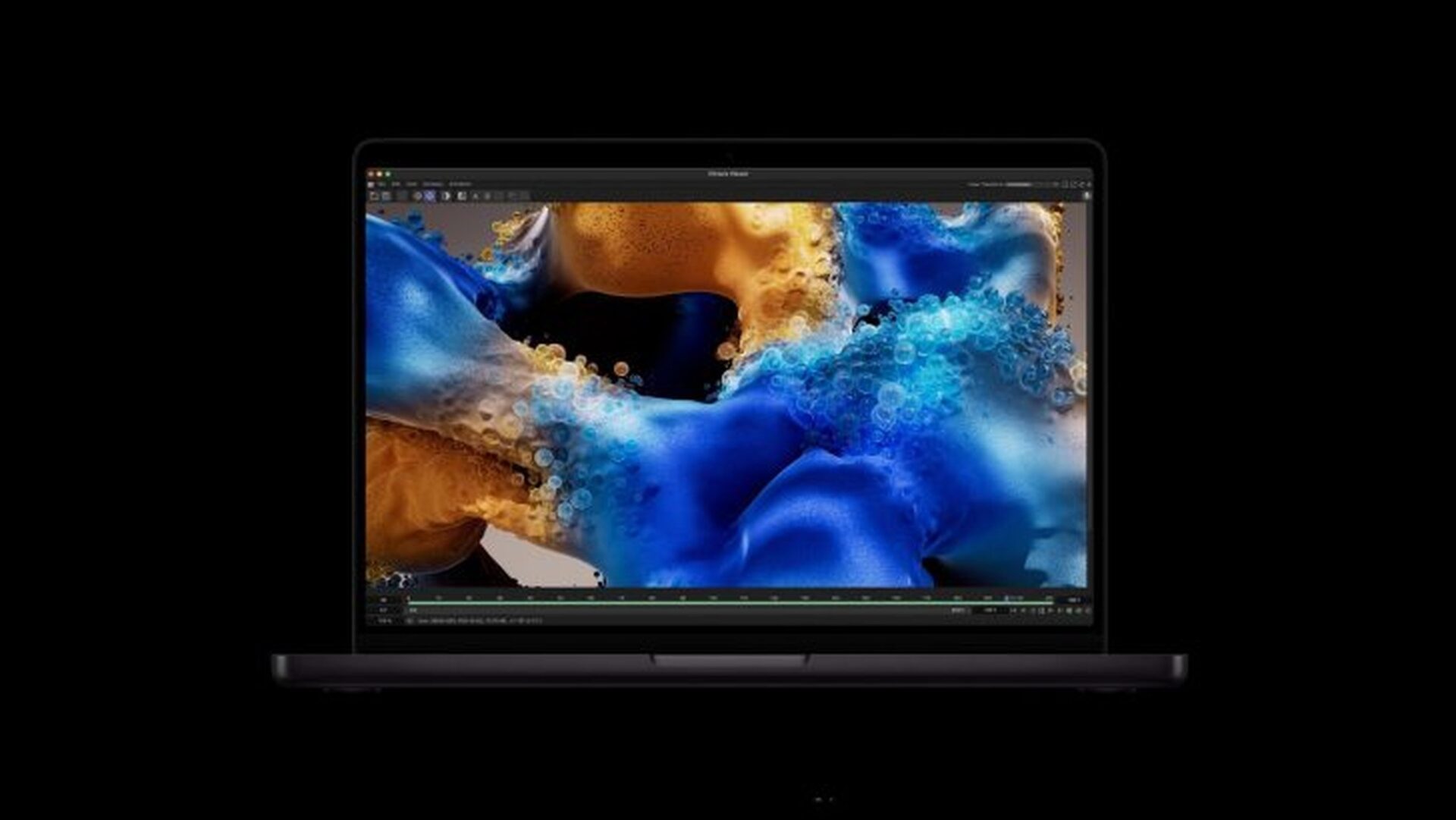
MacBook Pro has long been considered the benchmark for the premium laptop segment: a compact chassis and solid build quality that still maintains stable performance during heavy workloads. The issue is that not every manufacturer enjoys the same advantages as Apple in terms of chips, software, and thermal design. As many Windows competitors attempt to force laptops to be thinner to achieve a similar premium feel, the price paid often comes in the form of higher temperatures, reduced component longevity, and a compromised heavy-load experience. For those seeking a thin and light laptop for both work and entertainment, this is a detail more worth considering than a spec sheet. Consequently, the MacBook Pro is becoming a reference point for buyers who want a slim chassis while maintaining better temperature control during intensive tasks.
Why a thin chassis is not necessarily an advantage when a laptop runs heavy workloads
According to an analysis by Wccftech, the concern lies not in laptops becoming thinner, but in the fact that some premium models are becoming so thin that the cooling system no longer has enough space to operate safely. A cited case is the Razer Blade 16, where the fan blades can touch the bottom cover when lightly pressed, increasing the risk of premature fan wear.
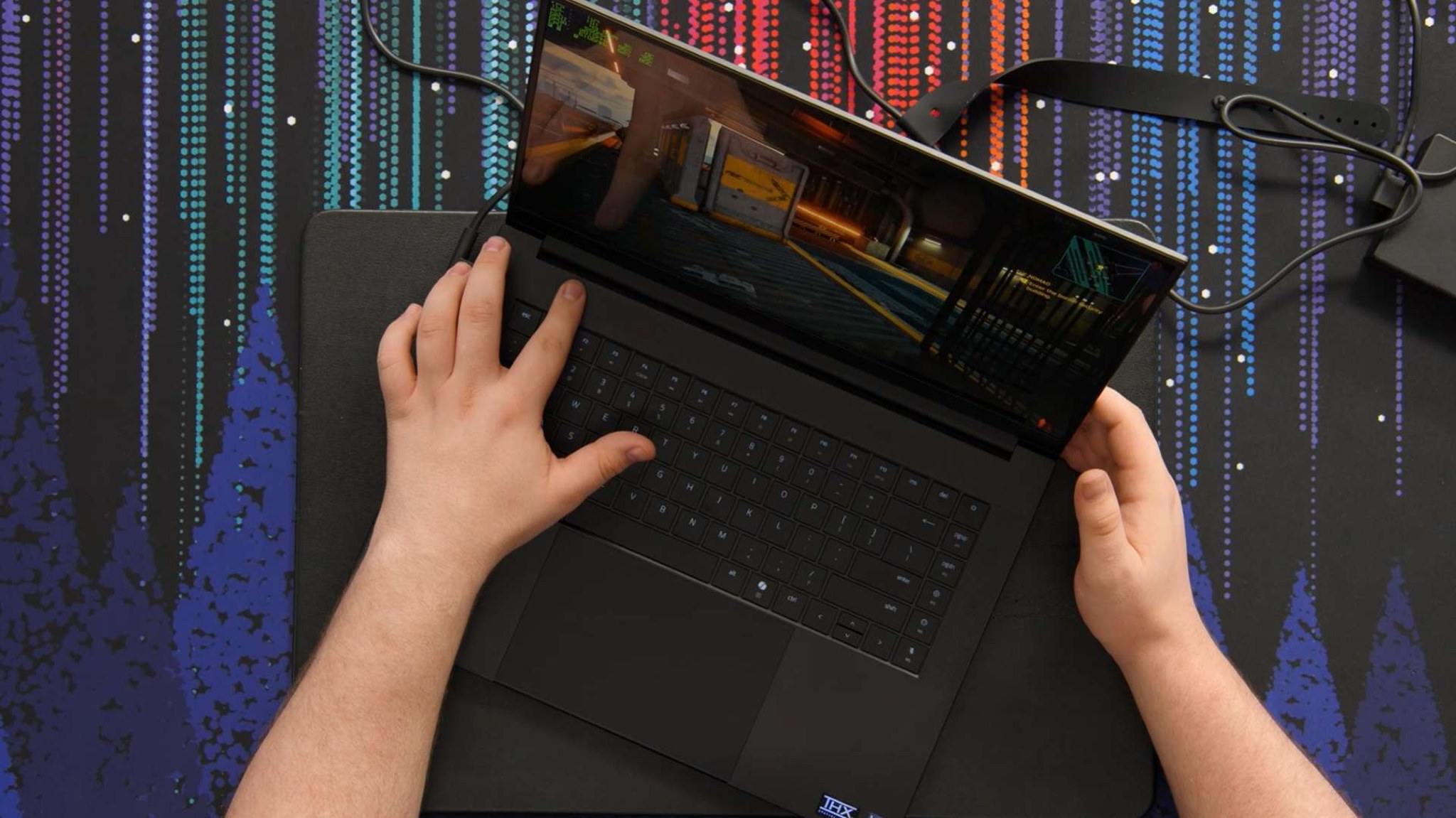
The palm rest area on this model has also been reported to get hot enough to be uncomfortable when running heavy loads with an RTX 5090 GPU. This is the kind of issue users might overlook when watching advertisements, but it is felt very clearly when rendering video, playing games, or running multiple heavy tasks for extended periods.
The MacBook Pro is not an absolutely cool machine, but Apple has an advantage with Apple Silicon chips, which feature lower power consumption during many sustained tasks. When a chip generates less heat for the same workload, the manufacturer can more easily maintain a slim chassis without making significant trade-offs in noise or stability.
This trend is even more evident as the market is constantly being pushed toward thinness and long battery life, much like how Snapdragon laptops are putting new pressure on Intel. However, long battery life or a slim chassis only truly matter if the machine maintains stable speeds, the surface does not become excessively hot, and the components do not degrade prematurely.
What thin and light laptop buyers should look for beyond design and weight
If your primary needs are typing, online meetings, writing reports, and frequent travel, a thin and light laptop is still very much worth the money. The problem only arises when buyers expect three things simultaneously: a truly thin and light machine that can also handle sustained heavy tasks like video editing, large coding projects, gaming, or 3D graphics processing. In those cases, the laptop's thermal solution is the deciding factor for the actual experience, rather than the thickness listed on a spec sheet.
| Criteria | Ultra-thin priority machines | Thermal priority machines |
|---|---|---|
| Surface temperature | Prone to heating up during long loads | More stable during heavy workloads |
| Fan noise | Prone to sudden spikes under performance pressure | Easier to control due to more airflow space |
| Sustained performance | May throttle after a few minutes of high load | Less prone to clock speed reduction |
| Component durability | Highly dependent on manufacturer optimization | Generally safer for fans and batteries |
This is why buyers should carefully read reviews regarding sustained workloads, surface temperatures, and noise levels, rather than just looking at the CPU or GPU. A beautiful machine that constantly runs hot around the keyboard or palm rest will quickly lose points in daily use. Even premium-positioned models like the Surface Laptop 13 inch may have to make compromises in configuration to maintain a sleek design.
The final noteworthy point is that a thin design does not automatically equate to premium quality. A truly premium laptop must balance the tactile feel, build sturdiness, performance retention, and comfort during long-term use. If you frequently run heavy tasks, a wiser choice might be a slightly thicker model that runs cooler, quieter, and lasts longer over time.