
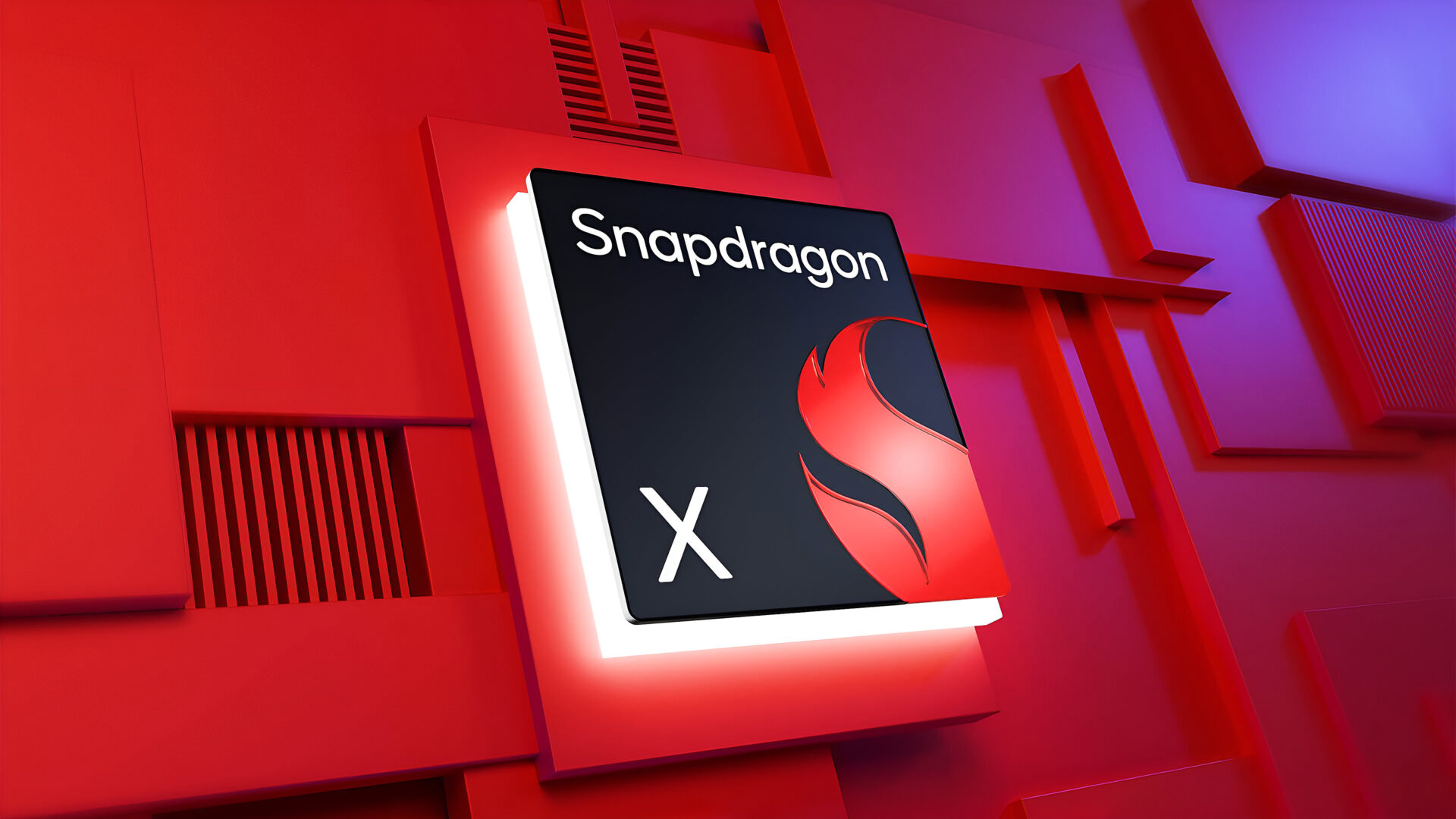
Battery life is becoming a more compelling reason to buy a laptop than ever before, and this is where Snapdragon laptops are putting real pressure on Intel. In an article by WCCFtech, an Intel user of 30 years shared that he switched to a Lenovo IdeaPad Slim 3X running Snapdragon X and found Windows 11 estimating nearly 48 hours of battery life. This figure doesn't mean every Windows on Arm machine achieves two consecutive days, but it shows that the gap in power efficiency on Windows laptops has begun to shift. For mainstream buyers, the greatest significance lies not in benchmarks, but in the fact that a thin and light machine can now go to work, school, or travel for long days without constantly hunting for a power outlet.
Nearly 48 hours of battery life changes how people use Windows laptops
Notably, the Snapdragon laptop mentioned is not a high-end, expensive model, but the IdeaPad Slim 3X using the 8-core Snapdragon X. In the shared screenshot, the device still had 73% battery remaining, but the operating system reported over 16 hours of remaining usage. If extrapolated at that consumption rate, the real-world experience could approach the 48-hour mark, enough for two days of light work without needing to carry a charger.
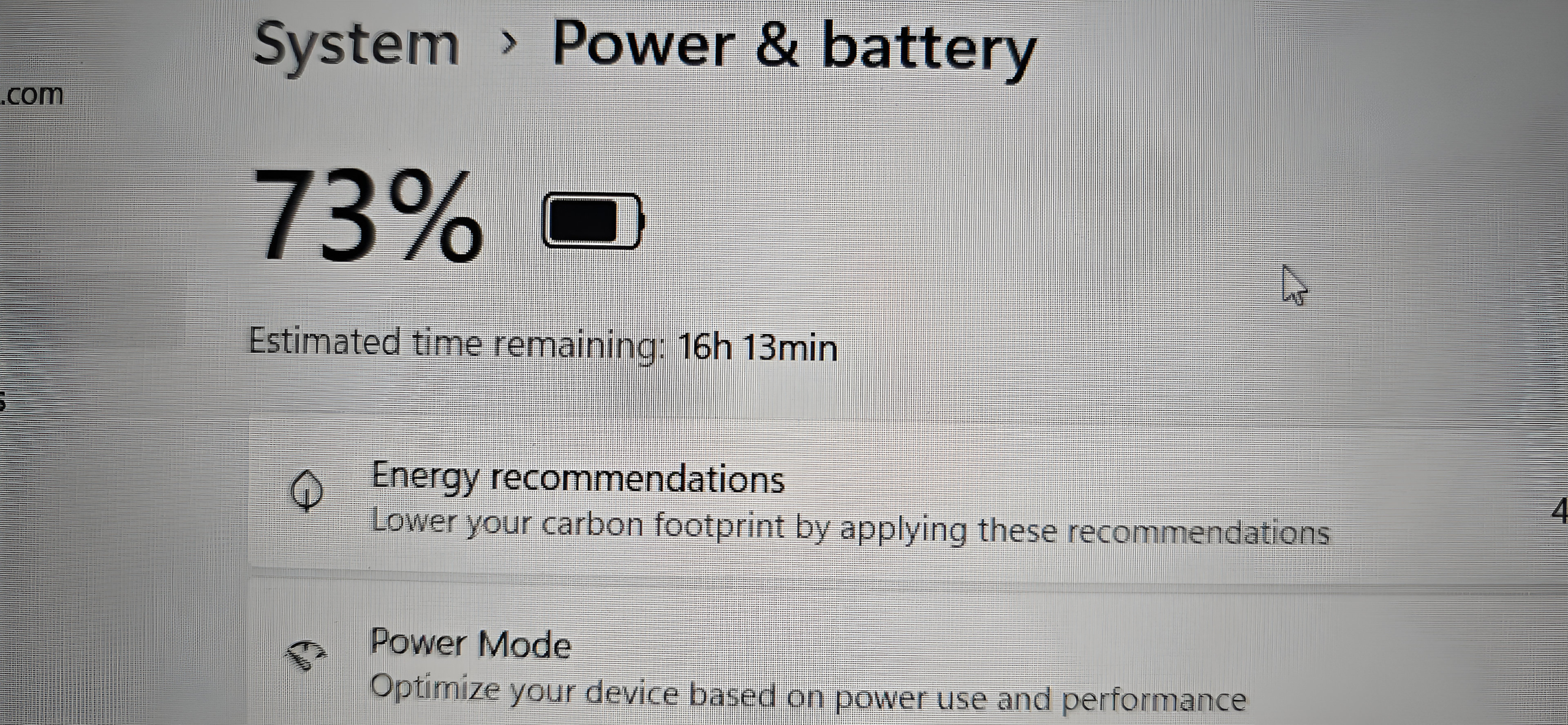
This difference directly impacts usage habits. A Snapdragon laptop with enough battery for a full day of meetings, moving between multiple workspaces, or sitting in a cafe for many hours will significantly reduce the feeling of being tethered to a charger. When battery life is no longer a primary concern, users begin to view Windows laptops as more flexible devices, closer to the "always-ready" experience that the MacBook has created.
Of course, it should not be understood that simply having a Qualcomm chip means all Snapdragon laptop models yield the same results. The source article also cites a case where a 16-inch Samsung model using the Snapdragon X Elite only achieved about 7 to 8 hours of web browsing, primarily because its 2880 x 1600 OLED screen consumes more power than the 1920 x 1200 IPS screen on the IdeaPad Slim 3X. The user who shared the nearly 48-hour result also mentioned that he had removed pre-installed apps and turned off Bluetooth and OneDrive to further optimize performance.
New pressure on Intel comes not from benchmarks, but from daily convenience
Looking more broadly, this is the kind of pressure that Intel cannot easily answer with just a few percentage points of performance. Mainstream laptop buyers don't typically measure machines with Cinebench; they measure them by how many times they have to carry a charger, how hot the device gets on their lap, and whether the battery lasts through a long day. This is also why new signals regarding new Intel chips and thin-and-light Windows designs are being closely monitored.
| Real-world usage criteria | Snapdragon Laptop | Traditional x86 Laptop |
|---|---|---|
| All-day work and school | Easier to achieve a less charger-dependent experience with a moderate-sized screen | Highly dependent on battery, cooling, and individual manufacturer optimization |
| Noise and heat | Often has an advantage during light loads and office tasks | Prone to higher temperatures when prioritizing high clock speeds and performance |
| App compatibility | Improved compared to before, but still requires checking specialized apps | Safer for legacy software, games, and specific peripherals |
| Perceived value for buyers | Long battery life makes an immediate difference after a few days of use | Higher performance is only clearly evident for heavy-duty user groups |
Another factor making Snapdragon laptops more worth considering is price. The source article states that the IdeaPad Slim 3X with 16GB RAM and a 512GB SSD can drop to around $530. As prices enter the mainstream range, the long battery life advantage of Snapdragon laptops will become even more persuasive to buyers.
This does not mean Intel is out of the race. Models like the Yoga Slim 7i show that the x86 side still holds an advantage in compatibility for businesses, gamers, and professional software users. However, from a market perspective, Snapdragon laptops have forced Intel into a different kind of race: not just making chips faster, but making laptops less dependent on power outlets in everyday situations.
For those considering a new machine, the signal is clear. If your primary needs are web browsing, Office, online meetings, watching movies, and frequent movement, Snapdragon laptops are becoming a much more viable option than before. If your work requires legacy applications, games, or specific peripheral ecosystems, an x86 laptop remains the safer option. As Snapdragon laptops demonstrate that long battery life can become a distinct purchasing advantage, Intel is forced to react faster in both performance-per-watt and real-world usage experience. The key takeaway is that from 2026, battery life has become a battlefield where Intel must respond quickly.