
The new enterprise Microsoft Surface Laptop is creating a rather hard-to-ignore paradox. The company has brought Intel Panther Lake to its business lineup much earlier than many expected, but the most controversial configuration is the 13-inch version with only 8GB RAM. For enterprise laptop buyers, this is not a minor detail, as base RAM often determines whether a machine remains smooth after a few years of use. Therefore, the talking point of this new Surface generation is not just the new chip, but how Microsoft is balancing entry-level pricing, Copilot+ standards, and actual workflow needs.
New enterprise Surface Laptop notable for early Panther Lake adoption
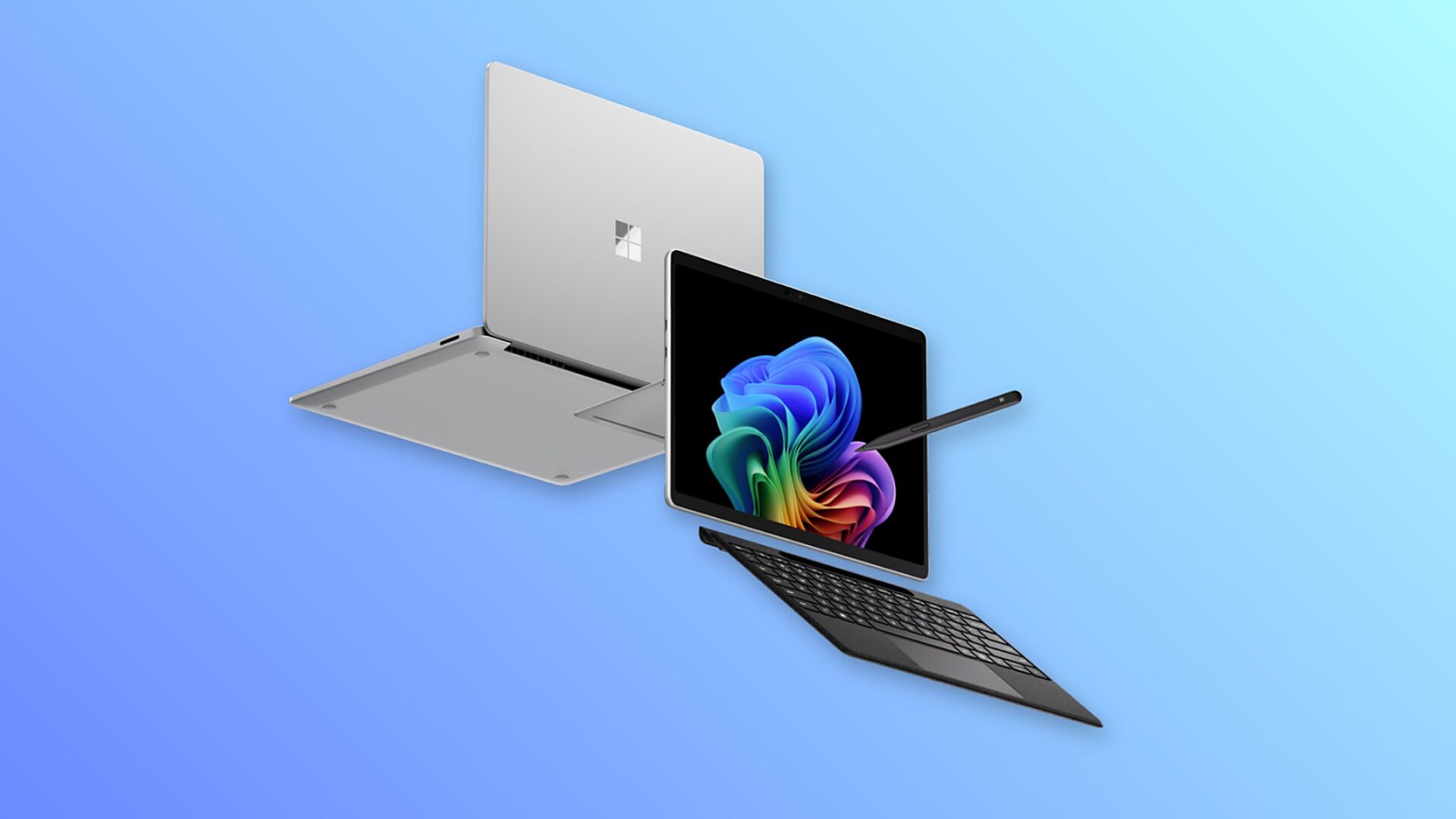
According to an article from Tom's Hardware, Microsoft has just introduced a new generation of Surface for Business with three clear product directions: the Surface Laptop 13-inch 1st Edition, the Surface Laptop 8 in 13.8 and 15-inch sizes, and the Surface Pro 12 2-in-1. The common thread is that this entire lineup is transitioning to Intel Panther Lake, showing Microsoft's desire to quickly bring the Core Ultra Series 3 platform to the premium business device segment.
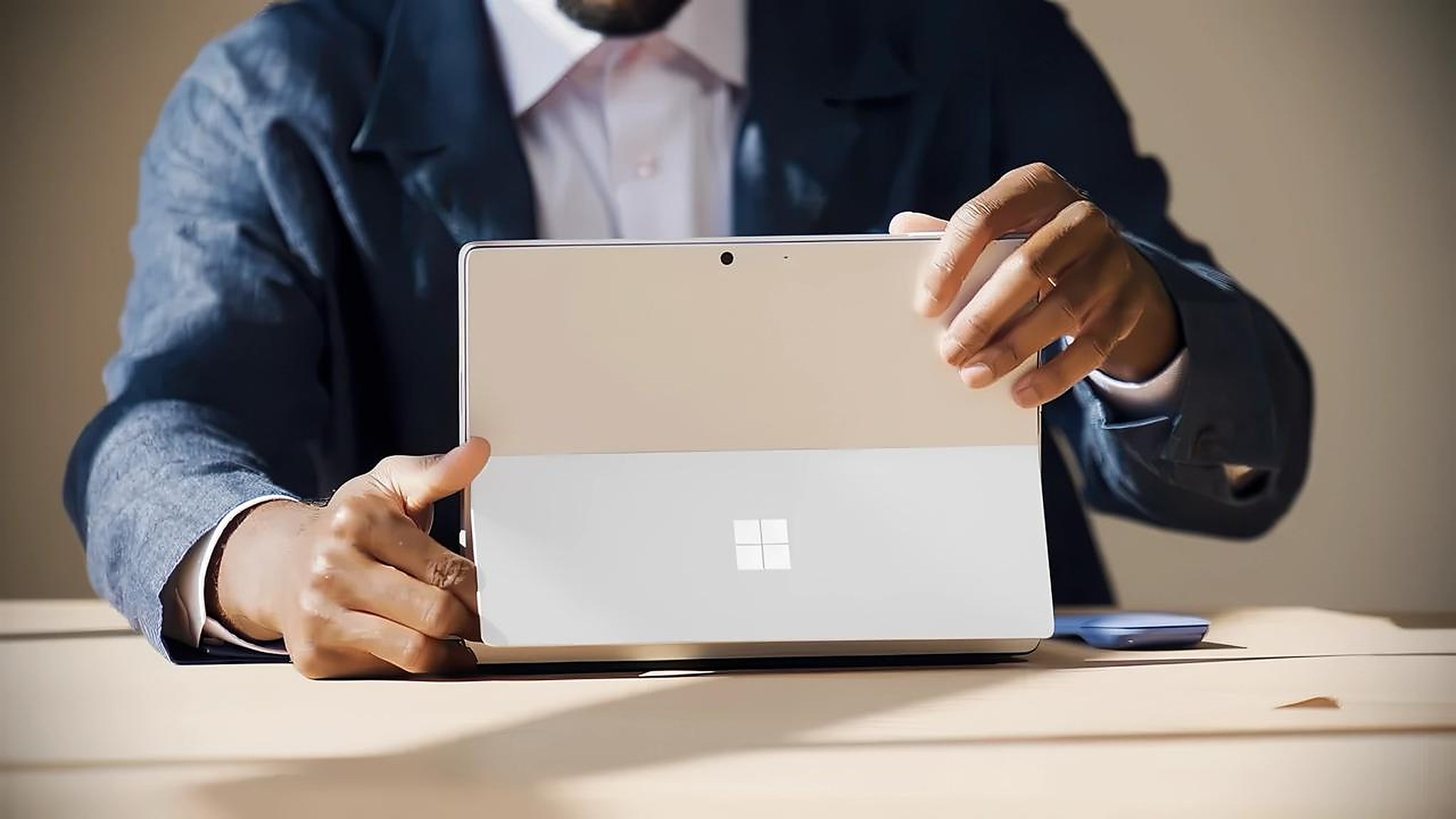
By bringing Panther Lake to Surface early, Microsoft is selling not just a new CPU, but a promise of a longer lifecycle, better manageability, and a clearer foothold for on-device AI tasks. This is also how the company creates distance from mainstream Windows models, which often compete solely on price or thinness.
In the higher product tiers, the Surface Laptop 8 13.8-inch starts at $1,949 with a Core Ultra 5 335, 16GB LPDDR5x, and a replaceable 256GB SSD. The 15-inch version increases to $2,149, with maximum configurations reaching up to Core Ultra X7 368H, 64GB RAM, and a 1TB SSD. Compared to the recently released Panther Lake laptops, it is evident that Microsoft is positioning the Surface toward high-end enterprise use rather than being a mere technology testbed.
The 8GB RAM 13-inch version lowers the entry price, but is a difficult configuration to recommend
The center of the debate lies with the 13-inch enterprise Surface Laptop. The device is available for pre-order with a 16GB RAM and Core Ultra 5 325 configuration starting from $1,499, but Microsoft also plans to release an 8GB version later this year for $1,299. The issue is that this 8GB threshold directly clashes with the Copilot+ standard that Microsoft is pursuing; according to information cited by Tom's Hardware, the company considers 16GB RAM as the minimum requirement for a PC to meet Copilot+ standards for local AI tasks.
| Device | Starting Price | Notable Configuration | Note |
|---|---|---|---|
| Surface Laptop 13-inch (1st Edition) | $1,499 with 16GB; $1,299 for the later 8GB version | Core Ultra 5 325, 1080p 60Hz display, up to 22 hours of local video battery life | The 8GB version is cheaper but unsuitable if expecting local AI or heavy multitasking |
| Surface Laptop 8 13.8 inch | $1,949 | Core Ultra 5 335, 16GB LPDDR5x, replaceable 256GB SSD | Better suited for long-term enterprise usage cycles |
| Surface Laptop 8 15 inch | $2,149 | 3270 x 2180 display, up to Core Ultra X7 and 64GB RAM options | Targeted at users needing larger screens and higher performance |
| Surface Pro 12 | $1,949 | 2-in-1 design, removable SSD, Wi-Fi 7 | Suitable for frequent travelers or those needing a tablet-laptop hybrid |
If looking strictly at initial purchase costs, 8GB RAM might seem reasonable for businesses looking to equip large quantities for basic office tasks. However, many browser tabs, Teams meetings, background file syncing, enterprise security suites, and Windows AI features can easily consume that seemingly sufficient amount of RAM. Consequently, while the 8GB version may help lower the entry price, it could also lead to increased support or replacement costs sooner than expected.
The competitive landscape also makes this choice more sensitive. As Snapdragon laptops are applying pressure with extremely long battery life and increasingly generous base configurations, a $1,299 enterprise Surface model limited to 8GB RAM will be hard to justify if buyers consider a 3 to 5-year lifecycle. From that perspective, the 16GB version is the more logical configuration to maintain a stable experience.
Overall, the new enterprise Surface Laptop shows that Microsoft is playing two moves at once: pushing new Intel chips very early to maintain a pioneering image, while still attempting to open a low-spec configuration to drive down the entry price. For Surface Laptops used long-term in a corporate environment, the RAM saved today could very easily become a bottleneck after just a few software update cycles.