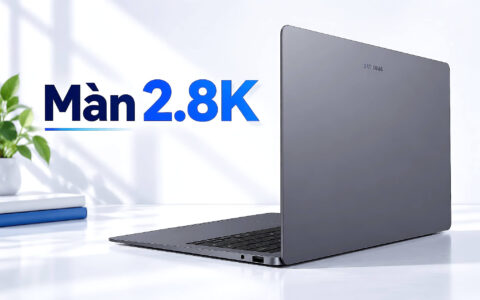

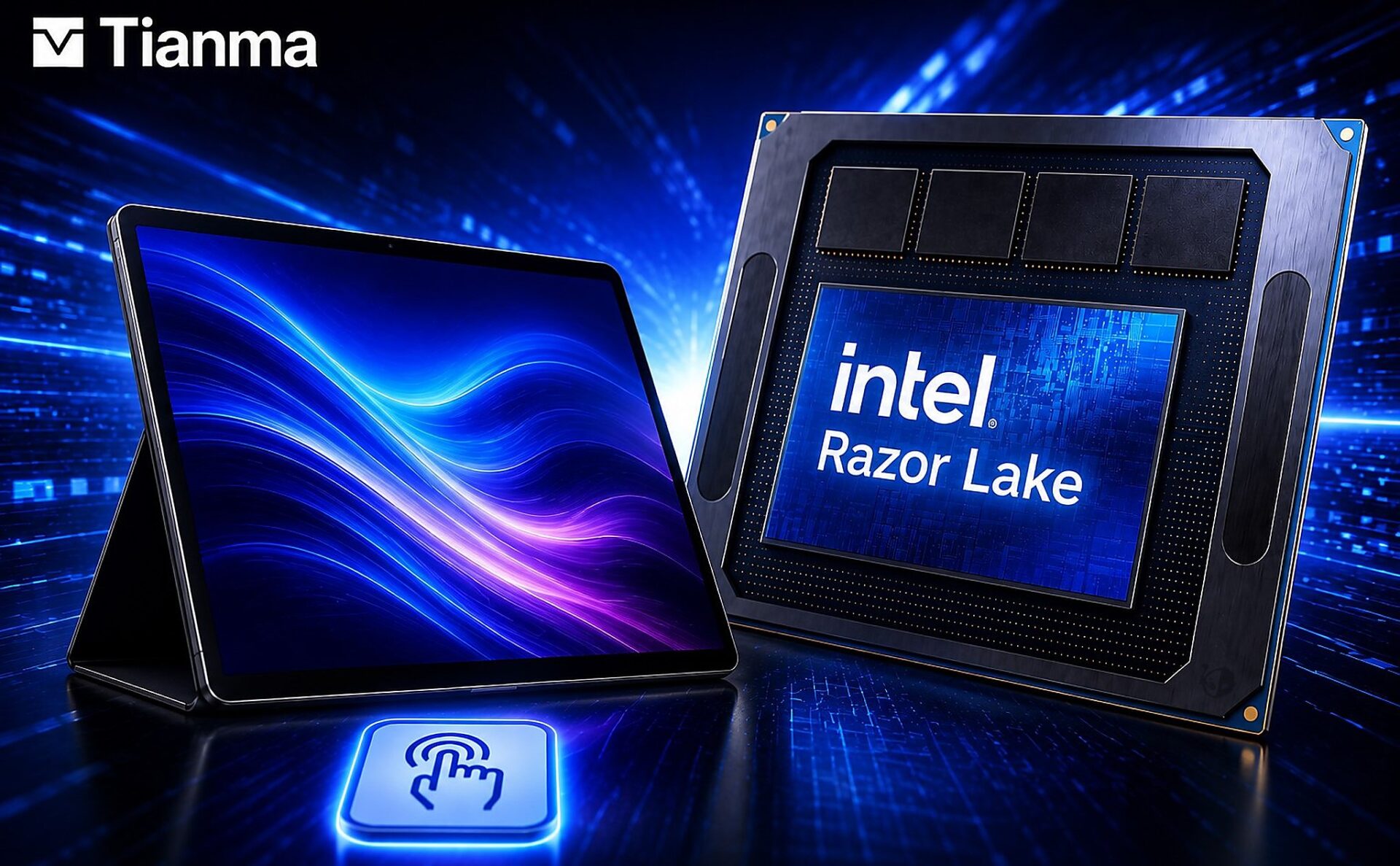
The Tianma 2.8K in-cell display for Intel Razor Lake is a significant signal for thin-and-light laptop enthusiasts, as it addresses the two toughest challenges in this segment: thickness and battery life. Instead of adding a separate touch layer, Tianma integrates the touch functionality directly into the display structure to make the screen assembly slimmer. While the saved space may seem small, for ultrabooks, it is enough to increase battery capacity or expand the thermal management system. Accompanied by a variable refresh rate from 30Hz to 120Hz, the device does not need to maintain a high refresh rate when users are merely reading documents or staying on static interfaces. Although Razor Lake has not yet been released, this panel shows that the hardware ecosystem surrounding the new Intel laptop generation has begun to take shape.
Tianma is targeting the exact needs of premium laptops: thin, touch-enabled, and more power-efficient
According to the original WCCFtech article, Tianma showcased a 14-inch 2.8K resolution touchscreen at the Intel 2026 Client Ecosystem Symposium, pre-optimized for the Razor Lake platform. The highlight is not merely the 2.8K figure, but the in-cell architecture that embeds the touch layer within the panel instead of having it as a separate module. For manufacturers of thin-and-light laptops, this is a subtle but highly valuable change because it opens up extra space for more critical components.
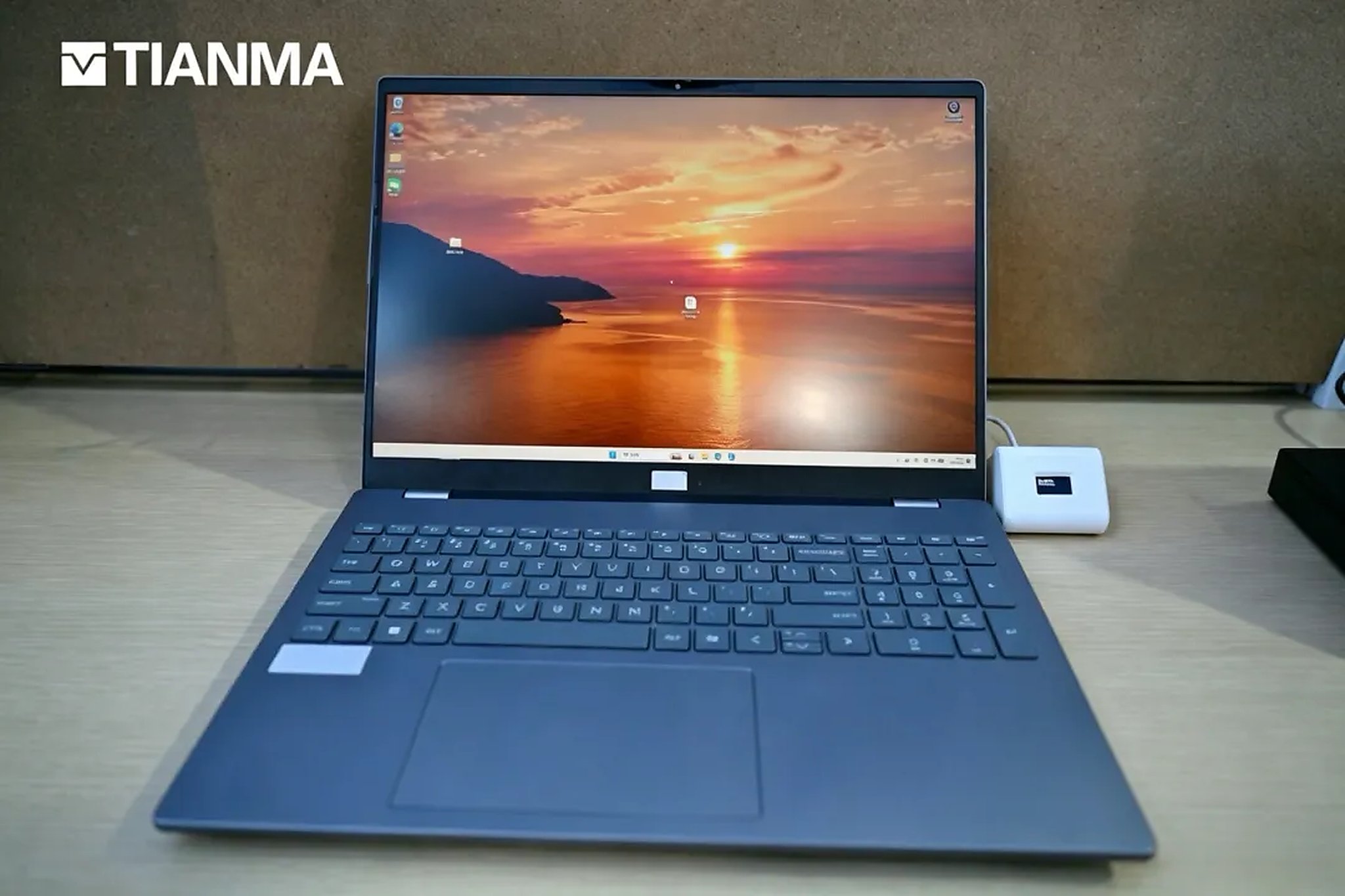
This detail also aligns with the direction Intel is pursuing for its next generation of devices. Recent leaks regarding Razor Lake-AX suggest that Intel wants to increase integration to improve power efficiency and optimize the motherboard. As displays also transition to an integrated touch-in-display type, laptop manufacturers will have more room to balance thinness, battery life, and touch experience rather than just racing for isolated specifications.
Tianma has actually been quite clear about this direction for some time. In an IT technology introduction document, Tianma emphasized that LTPS, VRR, and integrated touch are the pieces that help mobile devices reduce power consumption. Therefore, this panel for Razor Lake can be seen as a logical step forward rather than a standalone demonstration.
The 30Hz to 120Hz range is what truly makes a difference in daily laptop use
This display supports ITST, meaning the display layer and the touch layer can coordinate with each other instead of operating separately. In static scenes, the panel can drop to 30Hz and reduce touch activity to save power; when the user returns via a mouse, keyboard, or new touch gesture, the device will bring the screen back to 120Hz almost instantly. This is where Razor Lake demonstrates clearer practical value: the Tianma screen only pushes high smoothness when necessary, while prioritizing battery life and temperature for most of the time. This optimization method is much more sensible than maintaining a constant 120Hz for every task.
The specifications below show why this Tianma display is a perfect fit for the development direction of Razor Lake laptops.
| Specification | Details | Practical Benefit |
|---|---|---|
| Size | 14 inch | Ideal for ultrabooks and premium laptops |
| Resolution | 2.8K | Sharper for text, images, and Windows interfaces |
| Refresh Rate | 30Hz to 120Hz | Smooth scrolling, saves battery with low-motion content |
| Structure | In-cell, LTPS, ITST | Reduces screen assembly thickness and improves touch coordination |
This trend also shows that the laptop display race is moving away from focusing solely on the highest numbers. While gaming models like 240Hz screens still prioritize maximum smoothness, Tianma's panel serves the productivity and AI PC segment, which requires better battery life while maintaining a fast, smooth, and modern user experience. This is the kind of upgrade that users might not immediately see on a spec sheet, but will clearly feel after a few months of use.
Razor Lake is still on the horizon, so it is too early to say if Tianma will become the primary display partner for all models. Nevertheless, Razor Lake has received a very clear hint from the Tianma display: the next generation of Intel laptops may be defined not just by new CPUs, but by components that make the right sacrifices to achieve a slimmer design and longer battery life in real-world usage.