
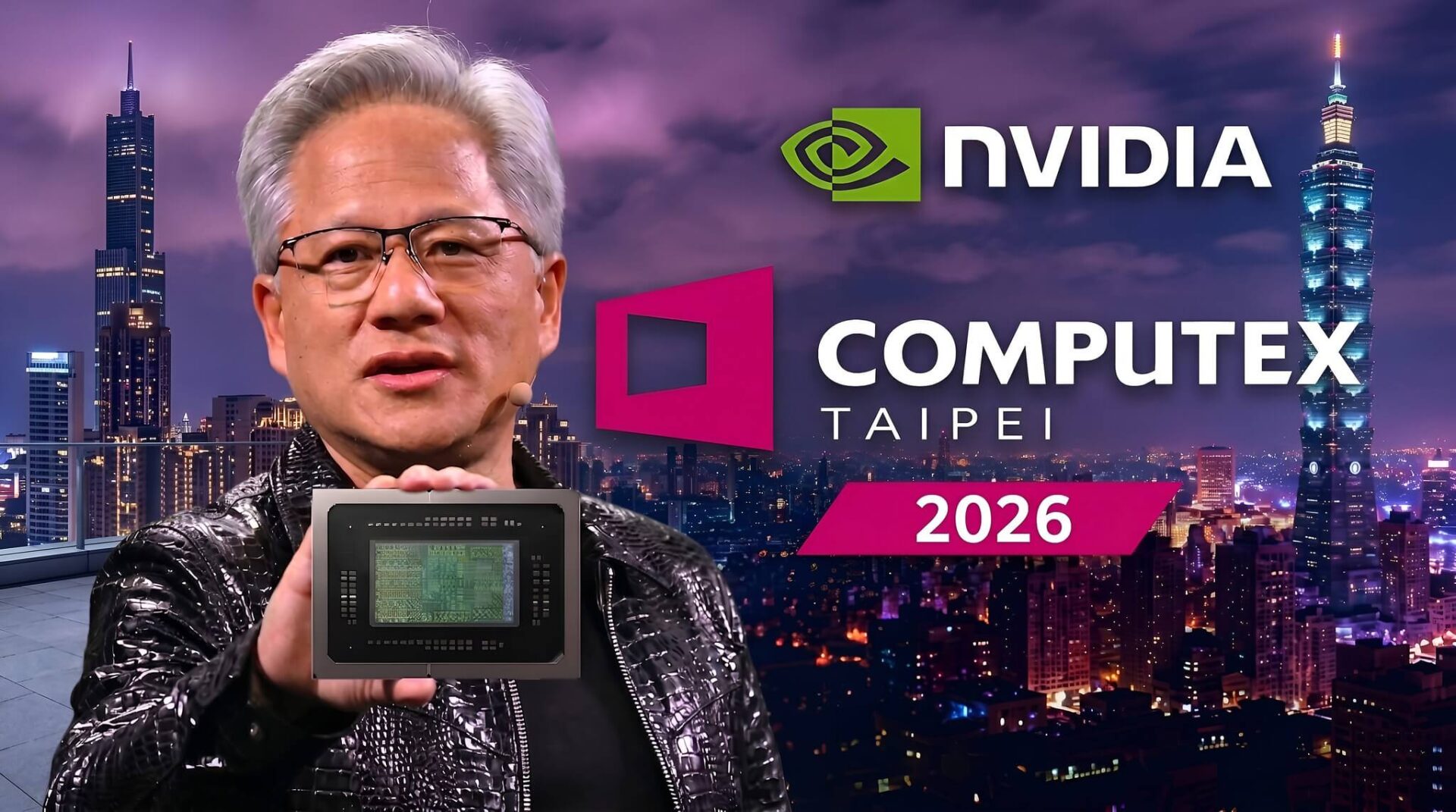
Computex 2026 is becoming the focus of attention in the tech world as NVIDIA prepares to unveil breakthrough hardware advancements with the N1X super chip. After a period of quiet, the emergence of the N1X chip series is expected to breathe new life into the personal computer market. This is not just an ordinary product launch but also an affirmation of NVIDIA's leading position in the era of artificial intelligence. Global users are turning their attention to what Jensen Huang will announce in Taipei soon.
Breakthrough power from the N1X super chip and the era of AI computing
The biggest highlight everyone is waiting for is the unveiling of the N1X chip series, an extremely powerful Accelerated Processing Unit (APU). According to leaked information from NVIDIA chips, the N1X chip is a perfect combination of ARM architecture and NVIDIA's top-tier graphics power. Instead of having separate CPU and GPU components as is traditional, the N1X chip structure integrates everything into a single package, helping to optimize data exchange speeds between internal computer components.
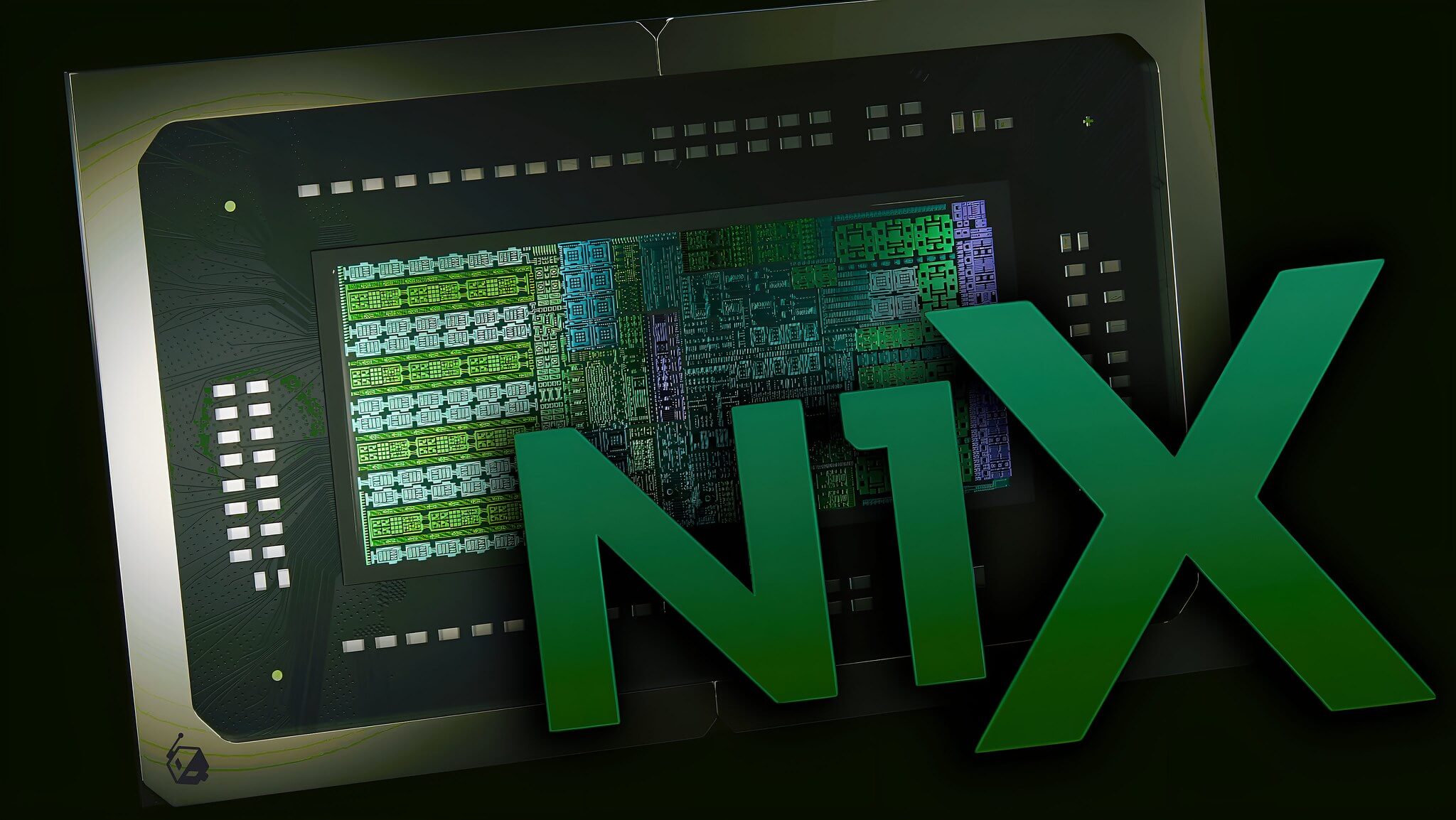
Technically, this NVIDIA masterpiece boasts up to 20 CPU cores based on ARM architecture along with 6,144 CUDA cores, equivalent to the graphics power of the RTX 5070 for desktops. The most valuable feature of the N1X chip is its ability to use a unified memory pool through high-speed LPDDR5X standards. This means the GPU on the N1X chip can directly access a large amount of RAM capacity, making running Large Language Models (LLM) directly on a laptop smoother than ever. Imagine being able to chat with an AI as intelligent as GPT-4 right on your computer without needing an internet connection.
Vision of the AI ecosystem and the future of mobile devices
In addition to the N1X chip series, NVIDIA is also expected to demonstrate deeper insights into the "Vera Rubin" platform - a specialized server system for AI factories. Although the focus of Computex is often directed toward users needing personal AI graphics, the introduction of the connection between data centers and end-user devices is extremely important. NVIDIA is building a closed supply chain, where everything from the most powerful supercomputers to autonomous robots and enterprise laptops are operated on the same unified CUDA programming language.
In reality, investment in Physical AI and Agentic AI is becoming the company's core strategy. Platforms like Jetson Thor will serve as the brain for the next generation of intelligent robots, capable of autonomous reasoning and performing complex actions in the real world. Although the gaming segment may not dominate the spotlight at this event due to changes in financial reporting structures, the heat from AI technology will certainly fill that gap.
| Component | Expected N1X Specifications |
| CPU Cores (ARM) | 20 cores |
| Graphics Cores (CUDA) | 6,144 cores |
| Memory Standard | LPDDR5X (256-bit Bus) |
| Equivalent Performance | RTX 5070 Desktop |
Despite remaining questions regarding the actual price, with the participation of major partners like Dell, Lenovo, or ASUS, we can expect a new wave of AI laptops. If laptop lines using the N1X chip are launched with large RAM configurations, they will become indispensable tools for content creators and artificial intelligence software developers. The Computex 2026 event will certainly mark a significant turning point, where the boundary between personal computers and supercomputers begins to blur.