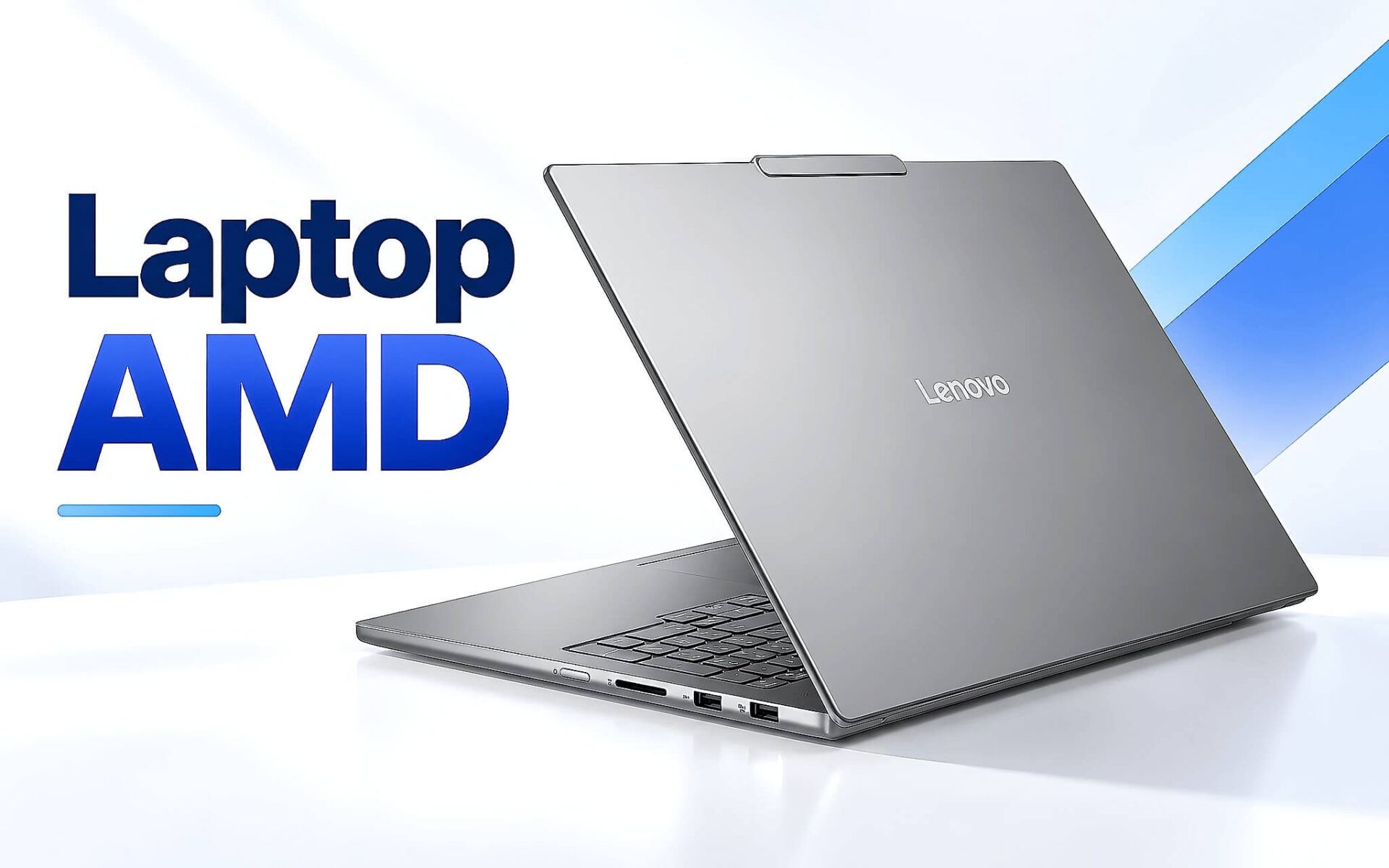
An AMD laptop from 2025 or 2026 might be a 23.5 million VND office machine, an OLED creator laptop, or a workstation with 64GB of RAM, and most of the differences are already spelled out in the Ryzen chip name listed in the specs. This guide shows you how to read an AMD CPU name to identify the generation, core count, and NPU power, then picks a machine across four needs: office work, content creation, gaming, and business workstations. All five AMD laptops covered here are in stock and, according to their product pages, brand-new.
Which four needs do 2025 and 2026 AMD laptops fit
Buyers of AMD laptops today usually fall into one of four groups. The first is students and office workers, who need a large screen, long battery life, and all-day video meetings. The second is content creators, who need a color-accurate OLED display and a discrete graphics card for video editing. The third is gamers, who want a powerful discrete GPU and a high refresh rate. The last is engineers, architects, and corporate IT departments, who need plenty of RAM and PRO-series chips.
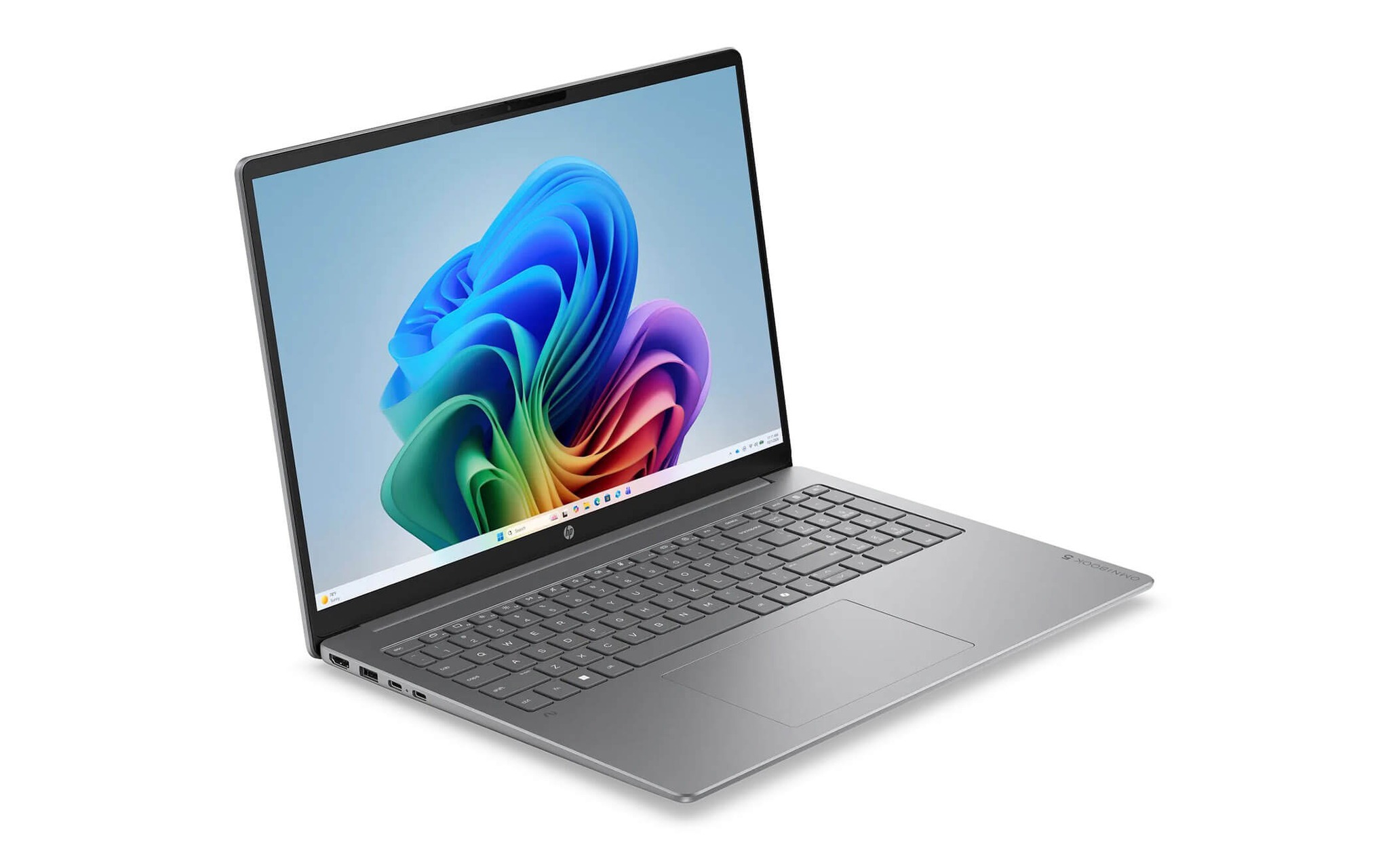
For office users, an AMD laptop with only integrated graphics, like the HP OmniBook 5 LaptopAI 16 pictured here, is plenty, because newer Ryzen AI chips combine the CPU, Radeon iGPU, and NPU on a single chip. Content creation and gaming call for an AMD laptop with a discrete NVIDIA GPU, while workstations need a many-core AMD CPU and a large amount of RAM. If you pick the wrong category, spending more on RAM or SSD storage won't make up for it.
Before getting to the individual models, it helps to understand how AMD names its laptop CPUs, because two chips in the same tier 7 can have 6 cores or 8 cores, and the NPU can be 16 TOPS or 50 TOPS. The next section decodes these rules using the six chips found in this article's AMD laptops, checked against AMD's official spec pages and the Cinebench R23 results compiled by Notebookcheck. Once you can read the chip name, you can rule out configurations that don't suit your needs right away.
Reading Ryzen chip names to tell which generation an AMD laptop belongs to
A modern laptop AMD CPU name reads in three layers. A prefix with AI, such as Ryzen AI 7 350, means an NPU of up to 50 TOPS, above the 40 TOPS threshold Microsoft sets for Copilot+ PCs, while the Ryzen 7 250, with no AI in its name, has only a 16 TOPS NPU according to AMD. The next number is the tier: 5, 7, or 9. Of the last three digits, the first indicates the generation: 3 belongs to Ryzen AI 300 and 4 belongs to Ryzen AI 400, the lineup covered in our article AMD Ryzen AI 400 launches: 60 TOPS, and 2026 AI laptops begin to pick up speed when AMD announced it.
| Chip | Series | Cores / threads | Max clock speed | NPU | iGPU | Cinebench R23 multi-core | Found in |
|---|---|---|---|---|---|---|---|
| Ryzen AI 7 445 | Ryzen AI 400 | 6 / 12 | 4.6 GHz | 50 TOPS | Radeon 840M | 10,590 | OmniBook 5 16 |
| Ryzen AI 5 340 | Ryzen AI 300 | 6 / 12 | 4.8 GHz | 50 TOPS | Radeon 840M | 12,532 | DELL Pro 16 Plus |
| Ryzen AI 7 350 | Ryzen AI 300 | 8 / 16 | 5.0 GHz | 50 TOPS | Radeon 860M | 16,014 | IdeaPad Pro 5 |
| Ryzen AI 7 PRO 350 | Ryzen AI 300 PRO | 8 / 16 | 5.0 GHz | 50 TOPS | Radeon 860M | 14,278 | P14s Gen 6, 41 million VND version |
| Ryzen AI 9 HX PRO 370 | Ryzen AI 300 PRO | 12 / 24 | 5.1 GHz | 50 TOPS | Radeon 890M | 18,520 | P14s Gen 6, 64GB version |
| Ryzen 7 250 | Ryzen 200, Zen 4 | 8 / 16 | 5.1 GHz | 16 TOPS | Radeon 780M | 14,255 | Legion 5 15AHP11 |
The table shows that a higher generation number doesn't mean more cores. The Ryzen AI 7 445 is a 2026 chip but has only 6 cores, made up of 2 Zen 5 cores and 4 Zen 5c cores, while the 2025 Ryzen AI 7 350 has 8 cores and scores about 51% higher in multi-core tests according to Notebookcheck. According to AMD's Ryzen AI 7 445 spec page, the chip runs at a default TDP of 28W and uses a Radeon 840M with 4 graphics cores, which positions it for thin and light AMD laptops that favor power efficiency over sustained heavy-load performance.
The two remaining suffixes determine who the chip is for. HX marks a top-tier, many-core chip, like the Ryzen AI 9 HX PRO 370 with 12 cores, 24 threads, and a 16-core Radeon 890M. PRO adds a suite of enterprise management technologies that AMD lists as Memory Guard memory encryption, Secure Processor, and DASH remote management. The Ryzen 7 250, part of the Ryzen 200 series, uses the Zen 4 architecture and has a weaker NPU but still offers 8 cores and clock speeds up to 5.1 GHz, which suits gaming AMD laptops because the heaviest work is handed off to the discrete GPU.
Office AMD laptops under 26 million VND for school and work
On a budget under 26 million VND, the two AMD laptops worth considering for school and the office are the HP OmniBook 5 LaptopAI 16-inch and the DELL Pro 16 Plus PB16255 AMD. Both are brand-new according to their product pages, and both have a 16-inch 16:10 display. They take different approaches: HP went with a 2026-generation AMD CPU and a touchscreen, while DELL aims at corporate fleets with an RJ45 network port. The table below puts the configurations currently on sale side by side.
| Criteria | HP OmniBook 5 LaptopAI 16 (AMD) 2026 | DELL Pro 16 Plus PB16255 AMD 2025 |
|---|---|---|
| CPU | Ryzen AI 7 445, 6 cores, 50 TOPS NPU | Ryzen AI 5 340, 6 cores, 50 TOPS NPU |
| Graphics | Integrated Radeon 840M | Integrated Radeon, listed by AMD as the 840M |
| RAM / SSD | 16GB DDR5 in a removable module, upgradable / 1TB | 16GB / 512GB |
| Display | 16-inch 1920 x 1200 IPS touchscreen, 300 nits | 16-inch FHD+ |
| Weight | About 1.72 kg | From 1.87 kg |
| Notable connectivity | HDMI 2.1, Wi-Fi 7, IR camera | RJ45, Wi-Fi 7, Bluetooth 5.4 |
| Price | 25.5 million VND | 23.5 million VND |
If you're a student or office worker who often signs documents or takes notes directly on the screen, the HP OmniBook 5 LaptopAI 16-inch (AMD) (2026) is a well-balanced AMD laptop, with a 16-inch touchscreen, a 68Wh battery, an IR camera for face login, and a keyboard with a number pad. A practical plus is the DDR5 RAM in a removable module, which makes later upgrades easy. The display reaches only 300 nits according to the product page, which is fine for indoor work but not for print work that needs accurate color.
For IT departments buying in bulk, the DELL Pro 16 Plus PB16255 AMD (2025) has the lowest price of the five models, at 23.5 million VND for a Ryzen AI 5 340, 16GB RAM, and 512GB SSD configuration. The line carries the Pro name, but the variant on sale uses the standard Ryzen AI 5 340, not the Ryzen AI 5 PRO 340, so it lacks the AMD PRO feature set at the chip level. On the other hand, the product page says this AMD laptop supports centralized management through Dell Management Portal and Microsoft Intune, along with a 12-month warranty for genuine units.
IdeaPad Pro 5 with a 2.8K OLED display for content creators
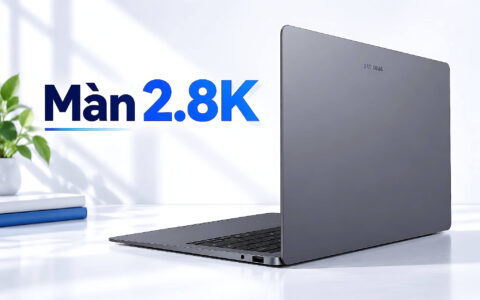
The Lenovo IdeaPad Pro 5 16AKP10 is an AMD laptop for people who edit photos, cut video, and do design work, because it covers the three things this group needs: a color-accurate OLED display, an 8-core AMD CPU, and a discrete graphics card. The product page lists a 16-inch 2.8K (2880 x 1800) OLED display with a 120Hz refresh rate, 100% DCI-P3 coverage, factory color calibration, and DisplayHDR True Black 1000 certification. The aluminum body is 15.95 mm thick and weighs about 1.79 kg.
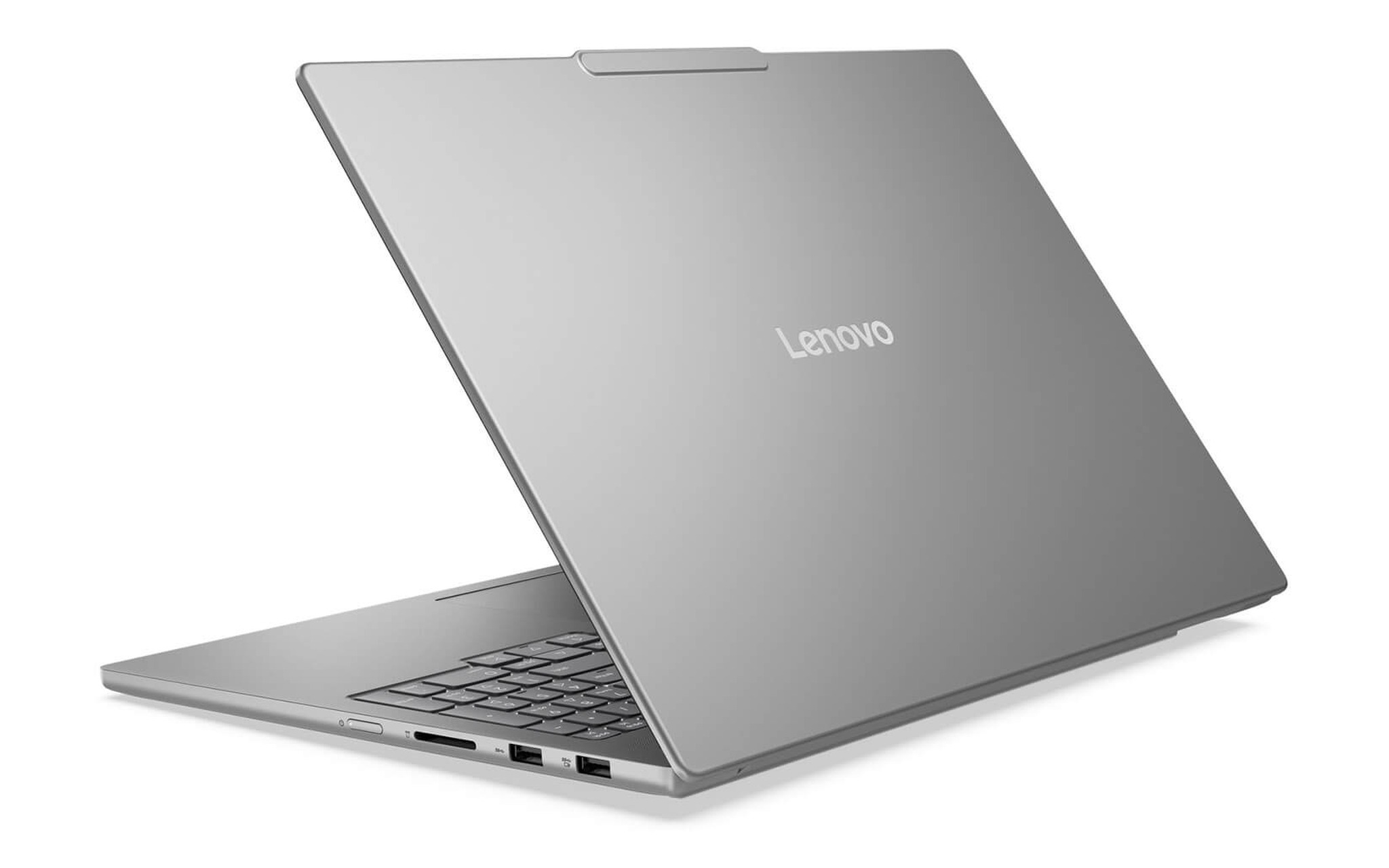
The Lenovo IdeaPad Pro 5 16AKP10 (2025) page lists one configuration with a Ryzen AI 7 350, 16GB of LPDDR5X-8000 RAM, a 1TB SSD, and an RTX 5050 8GB for 33.5 million VND. According to Notebookcheck's measurements, the RTX 5050 Laptop scores about 9,122 in 3DMark Time Spy, roughly 3.6 times the Radeon 860M built into the chip, so effects rendering and video export are noticeably faster when the software uses the NVIDIA GPU. The Ryzen AI 7 350 still has its 50 TOPS NPU, so this AMD laptop meets the Copilot+ PC standard for running Windows 11's local AI features.
The tradeoff is that the RAM is soldered to the motherboard, so 16GB is fixed for the life of the machine, although the laptop still has a free M.2 slot for adding an SSD to hold project files. The glossy OLED screen is prone to glare outdoors, and the product page notes that during long renders or gaming sessions, the thin body will run hotter and louder than during office work. The 84Wh battery, USB4 port, and SD card slot let videographers copy footage on location.
Legion 5 15AHP11: an AMD laptop with a 165Hz OLED display for gamers
The Lenovo Legion 5 15AHP11 is a 2026 AMD laptop for gamers, using an 8-core, 16-thread AMD Ryzen 7 250 CPU paired with an NVIDIA RTX 50 series GPU. According to the product page, the 15.3-inch WQXGA (2560 x 1600) OLED display has a 165Hz refresh rate, G-SYNC support, 100% DCI-P3 coverage, and 1,000 nits of peak brightness, which suits fast-paced games and works well for photo editing too. The lack of AI in the chip name makes sense here, since in gaming the main load falls on the discrete GPU, not the NPU.
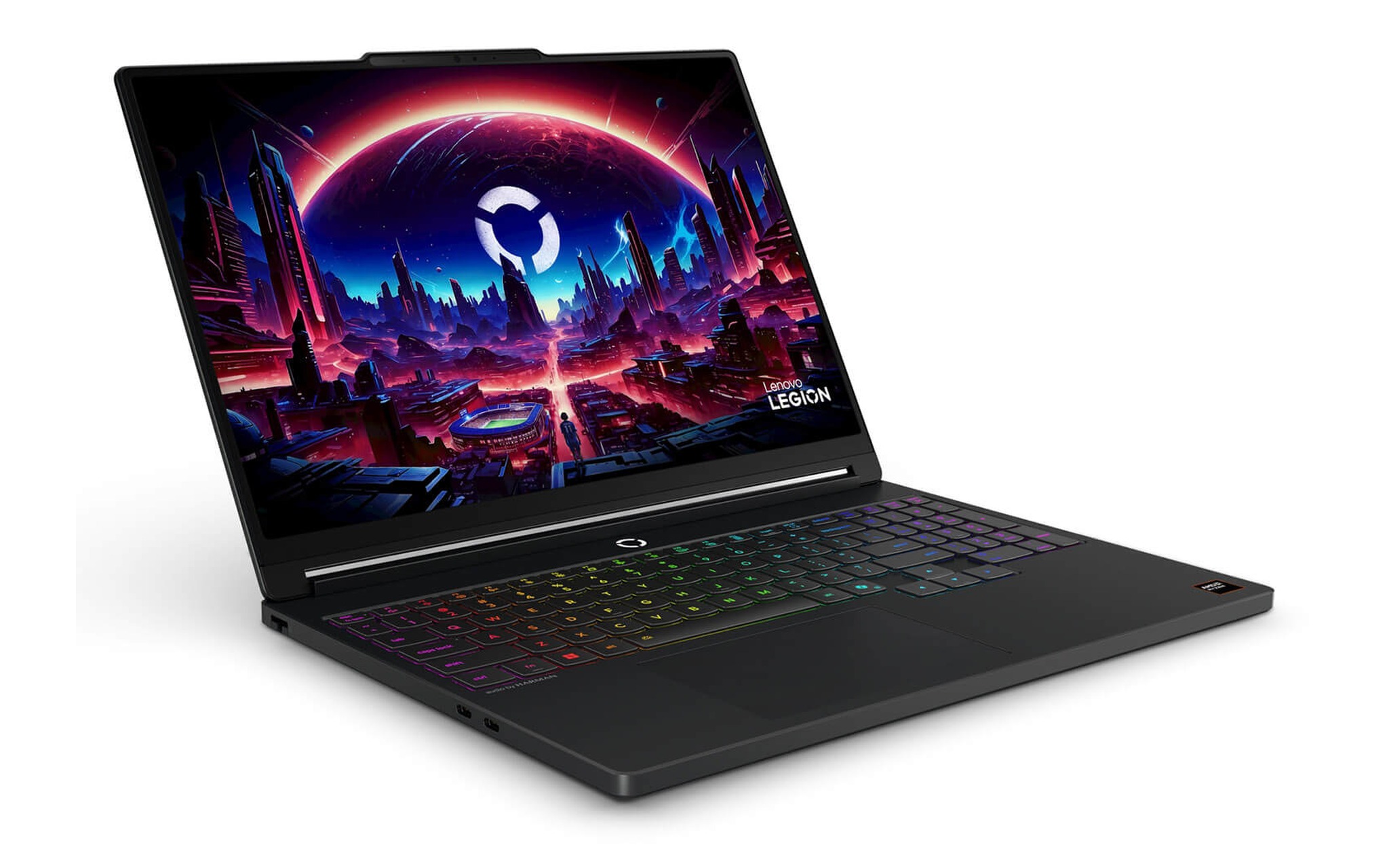
The Lenovo Legion 5 15AHP11 (AMD) (2026) page lists two versions, both with a Ryzen 7 250, 16GB RAM, 512GB SSD, and a 165Hz OLED display: the RTX 5050 8GB version at 51.99 million VND and the RTX 5060 8GB version at 54.99 million VND. Notebookcheck's measurements put the RTX 5060 Laptop at about 11,755 in Time Spy, versus 9,122 for the RTX 5050 Laptop, about 29% higher for a 3 million VND difference. If you play a lot of AAA games at the display's native resolution, the RTX 5060 version is the more sensible spend.
The Legion 5 15AHP11 also has two RAM slots that support up to 32GB, and a replaceable M.2 2242 PCIe 4.0 SSD, which suits people who want to upgrade gradually as their budget allows. The 80Wh battery comes with a 245W adapter, and Lenovo quotes about 6 hours of light use, while gaming drains the battery quickly, as on any gaming laptop. The product page lists a 36-month official warranty, a significant advantage for a machine that regularly runs heavy loads.
ThinkPad P14s Gen 6 with PRO chips for engineers and businesses
The Lenovo ThinkPad P14s Gen 6 is the AMD laptop choice for engineers, architects, and data professionals who need a portable workstation. The product page lists a slim body about 17 mm thick, weighing under 1.5 kg, MIL-STD military durability certification, and ISV certification, meaning professional software has been tested for compatibility. All the variants on sale use AMD PRO-series CPUs, which meets the needs of businesses that want hardware security and remote device management.
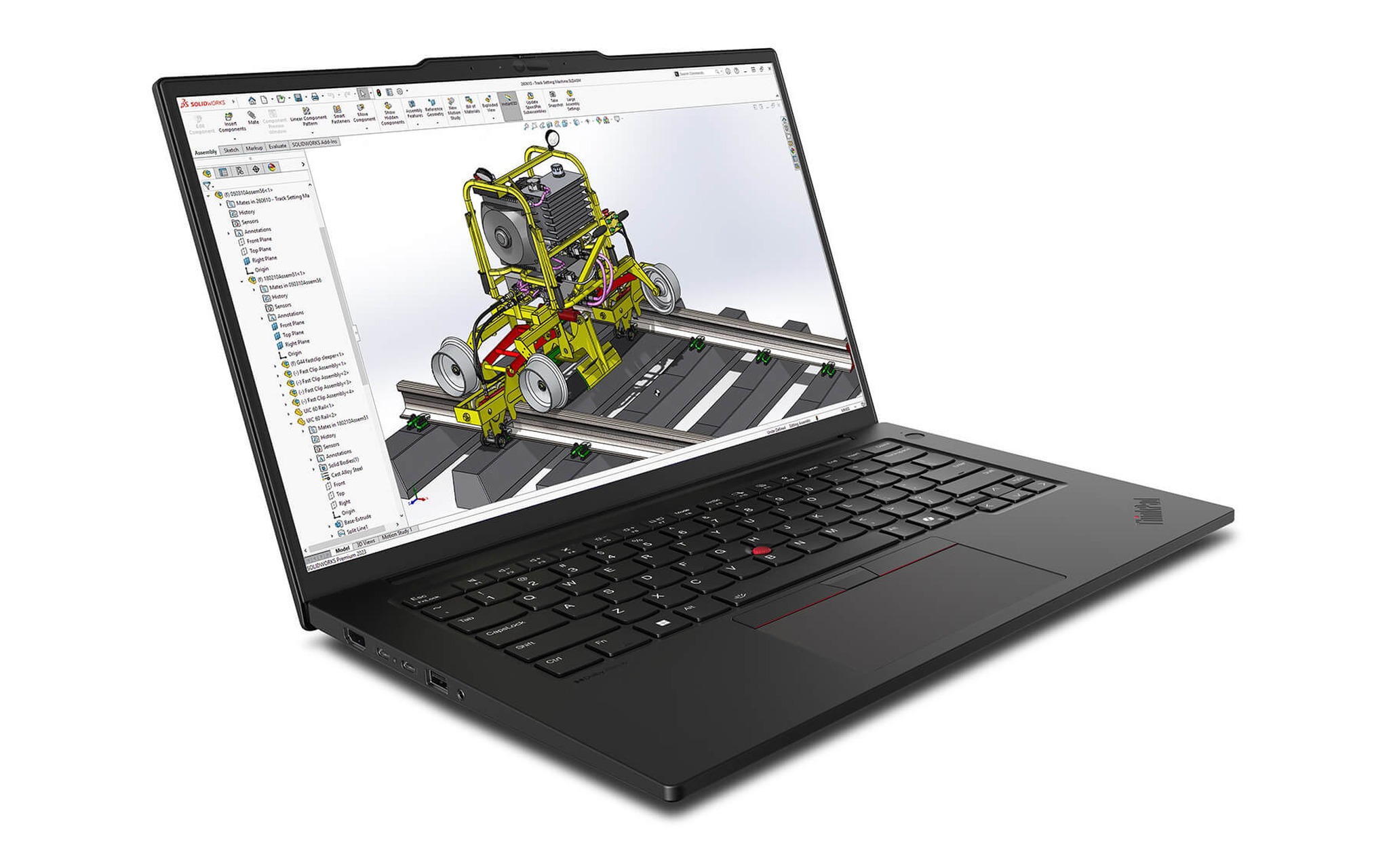
The Lenovo ThinkPad P14s Gen 6 - Mobile Workstation (2025) page lists three versions: a Ryzen AI 7 PRO 350 with 32GB RAM, a 1TB SSD, and a WUXGA display for 41 million VND; a Ryzen AI 9 HX PRO 370 with 64GB RAM, a 1TB SSD, and a WUXGA display for 52.8 million VND; and the HX PRO 370 64GB version with a 2.8K OLED touchscreen for 56.5 million VND. The HX PRO 370 has 12 cores and 24 threads and scores about 18,520 in Cinebench R23 multi-core according to Notebookcheck, roughly 30% higher than the Ryzen AI 7 PRO 350.
As an AMD laptop with no discrete GPU, the P14s Gen 6 gets its graphics power from the iGPU. The 16-core Radeon 890M scores about 3,376 in Time Spy, roughly 32% higher than the Radeon 860M according to Notebookcheck's measurements. For CAD modeling, large spreadsheets, or running multiple virtual machines, the 64GB RAM version is the safe choice because the iGPU shares system memory. If your work is mainly programming and administration, the Ryzen AI 7 PRO 350 version at 41 million VND is enough, saving 11.8 million VND compared with the HX PRO 370 version with the same WUXGA display.
Frequently asked questions when choosing an AMD laptop
Can a laptop with a Ryzen chip that has no AI in its name run Copilot+ features? It doesn't meet the standard. Microsoft requires an NPU of at least 40 TOPS for Copilot+ PCs, while the Ryzen 7 250 in the Legion 5 15AHP11 has only a 16 TOPS NPU according to AMD. AI features that run in the cloud or on a discrete GPU still work normally.
Is the 2026 Ryzen AI 7 445 faster than the 2025 Ryzen AI 7 350? Not in multi-core performance. The Ryzen AI 7 445 has 6 cores and scores about 10,590 in Cinebench R23 multi-core, while the Ryzen AI 7 350 has 8 cores and scores about 16,014 according to Notebookcheck. Both chips have a 50 TOPS NPU, with the 445 suiting thin and light office AMD laptops and the 350 suiting configurations that need heavier processing.
Do individual buyers need a PRO chip? Usually not. AMD PRO technologies such as Memory Guard and DASH remote management pay off when a business manages a whole fleet of machines. Individual buyers should put core count, RAM, and a GPU that fit their work ahead of the PRO suffix in the AMD CPU name.
Should I choose a machine with a discrete GPU or just integrated Radeon graphics? It depends on the software you use. Office work, study, and light photo editing need only a Radeon 840M or 860M. For video editing, 3D design, and AAA gaming, choose an AMD laptop with an RTX 5050 or better, such as the IdeaPad Pro 5 16AKP10 or Legion 5 15AHP11, since according to Notebookcheck the RTX 5050 Laptop scores about 3.6 times the Radeon 860M in Time Spy.