
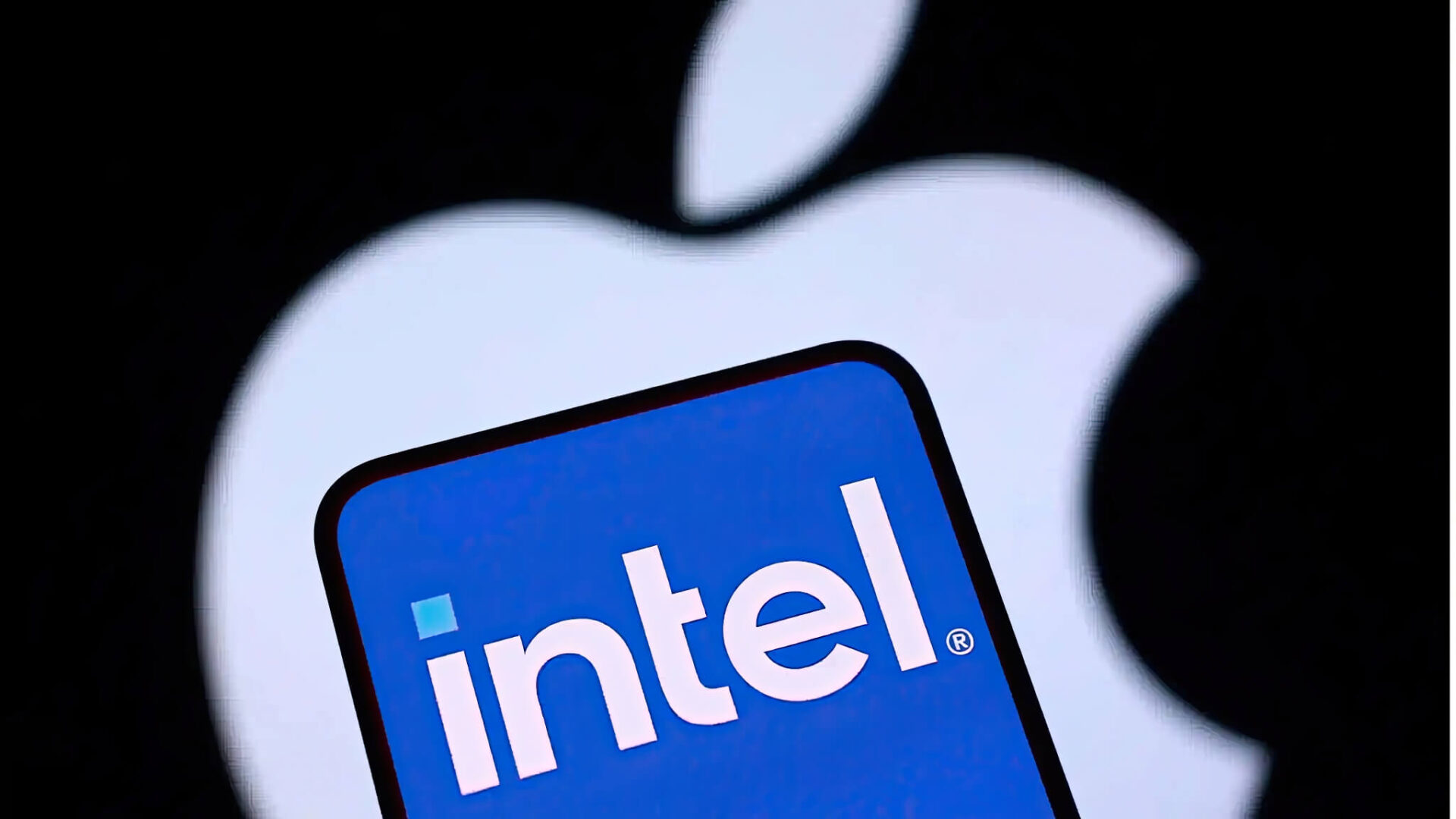
Apple and Intel are nearing a foundry deal that could bring Intel back into Mac and iPad by 2027 - but this time, Intel will act as a contract manufacturer for Apple's M-series SoCs, rather than as a CPU supplier. This potential partnership, outlined by analyst Ming-Chi Kuo in a new report, would turn Intel into an additional advanced node manufacturing partner alongside TSMC. The deal will depend on the maturity of Intel's 18AP process over the next 18 to 24 months. If successful, this would be a historic turning point, strengthening Apple's chip supply chain and boosting Intel's outsourced chip manufacturing ambitions.
18AP Process: Apple Has Begun Exploring Intel's 2nm Architecture
According to Kuo, Apple has signed a non-disclosure agreement (NDA) with Intel to access the 18AP process design kit (18AP process design kit - PDK) early-specifically version 0.9.1 GA. This toolkit allows Apple's silicon chip team to model and prototype designs for their M-series chips based on Intel's upcoming technology node. While this toolkit is not yet a complete version of the final production stack, it is sufficient for Apple to explore the architecture and begin initial physical design work on an entry-level M-series SoC.

The next major milestone is Intel delivering the 18AP 1.0/1.1 PDK, which Kuo says Apple expects to receive in Q1 2026. If that schedule holds and the PDK is ready for production, Apple plans to design and ramp its next entry-level M chip, used in the MacBook Air and iPad Pro, on Intel's 18AP process. Consequently, Intel could begin mass shipments in Q2 or Q3 of 2027.
Intel's 18A line is the company's first 2nm process, built around second-generation RibbonFET (Gate-All-Around) transistors and PowerVia back-side power delivery technology. The 18AP process is a variant focused on the performance and packaging of this platform. Kuo and other industry reports note that Apple's internal M-series roadmap aligns well with Intel's efforts to tightly integrate computing and memory into a single package, a philosophy similar to Intel's own Lunar Lake client platform.
Supply Chain Diversification Strategy and Intel's Ambition to Return
Any foundry deal between Apple and Intel will depend on the maturity and economic viability of Intel's processes. The company has signaled steady progress in both yield and roadmap. Intel executives recently stated that 18A yields are improving by approximately 7% per month as Panther Lake client CPUs approach mass production. These yields are said to be comparable to or better than previous large-scale nodes when considering die size.
Kuo frames the foundry relationship as serving Apple's desire to diversify away from a single advanced-node supplier (TSMC) and, in the current political climate, to demonstrate a deeper commitment to US-based semiconductor manufacturing. For Intel, landing Apple as a flagship customer for the 18AP process would be powerful evidence that its foundry business transformation is gaining momentum after years of delays and strategic missteps.
The company has told investors that it aims for its foundry business to break even around 2027. Securing orders from top designers for high-volume, advanced SoCs is a key factor for this plan. Kuo argues that a successful partnership with Apple could help Intel easily attract or expand business from other major customers who are currently weighing Intel's products against TSMC's N2-class portfolio.