
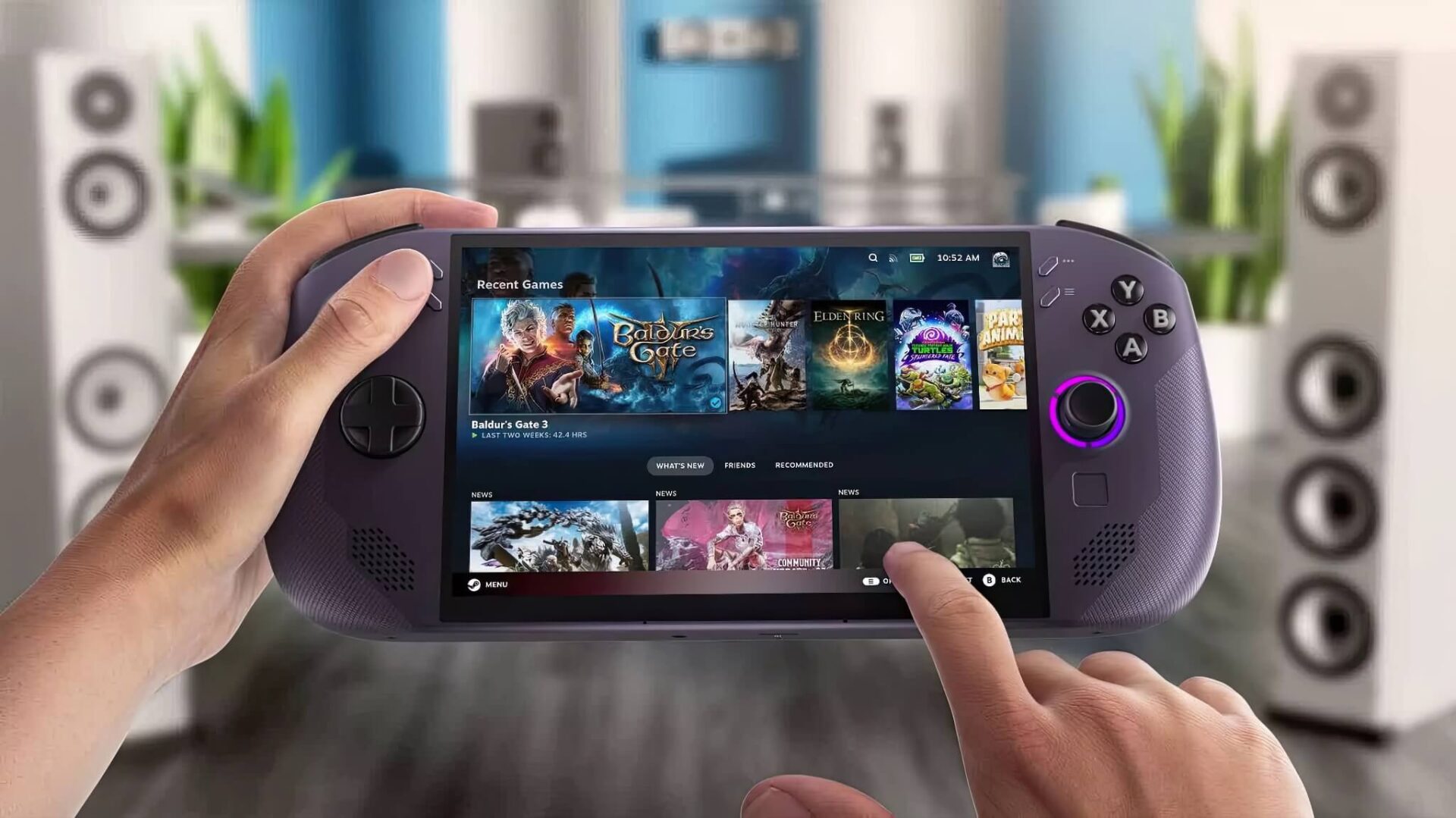
The tech community and gamers are buzzing with promising leaks regarding the next generation of Lenovo's handheld gaming lineup. Although the new Legion Go 2 was recently introduced with "beast" specs, including the AMD Ryzen Z2 Extreme chip and a 144Hz OLED screen, the biggest barrier for users has been its "sky-high" price tag. However, a new ray of hope has emerged as reputable sources suggest that a budget-friendly variant, which drops Windows in favor of SteamOS, is currently in development and expected to debut at CES 2026.
Top-tier configuration with a more affordable price tag
When Lenovo first announced the Legion Go 2, experts showered it with praise for its hardware power. However, the starting price of $1,099, reaching up to $1,479 for the highest-end version, was a reality check for the wallets of most gamers. Understanding this, Lenovo seems to be preparing a strategic move next year to capture the price-sensitive customer segment.
According to data shared by Windows Latest, the SteamOS variant of the Legion Go 2 will not suffer any hardware performance cuts compared to its Windows-based sibling. The device will still feature the powerful Ryzen Z2 Extreme processor as its "heart," paired with up to 32GB of LPDDR5X-8000 RAM and PCIe Gen4 M.2 2242 storage supporting up to 2TB. This means users will experience equivalent processing power but with a lower initial investment.
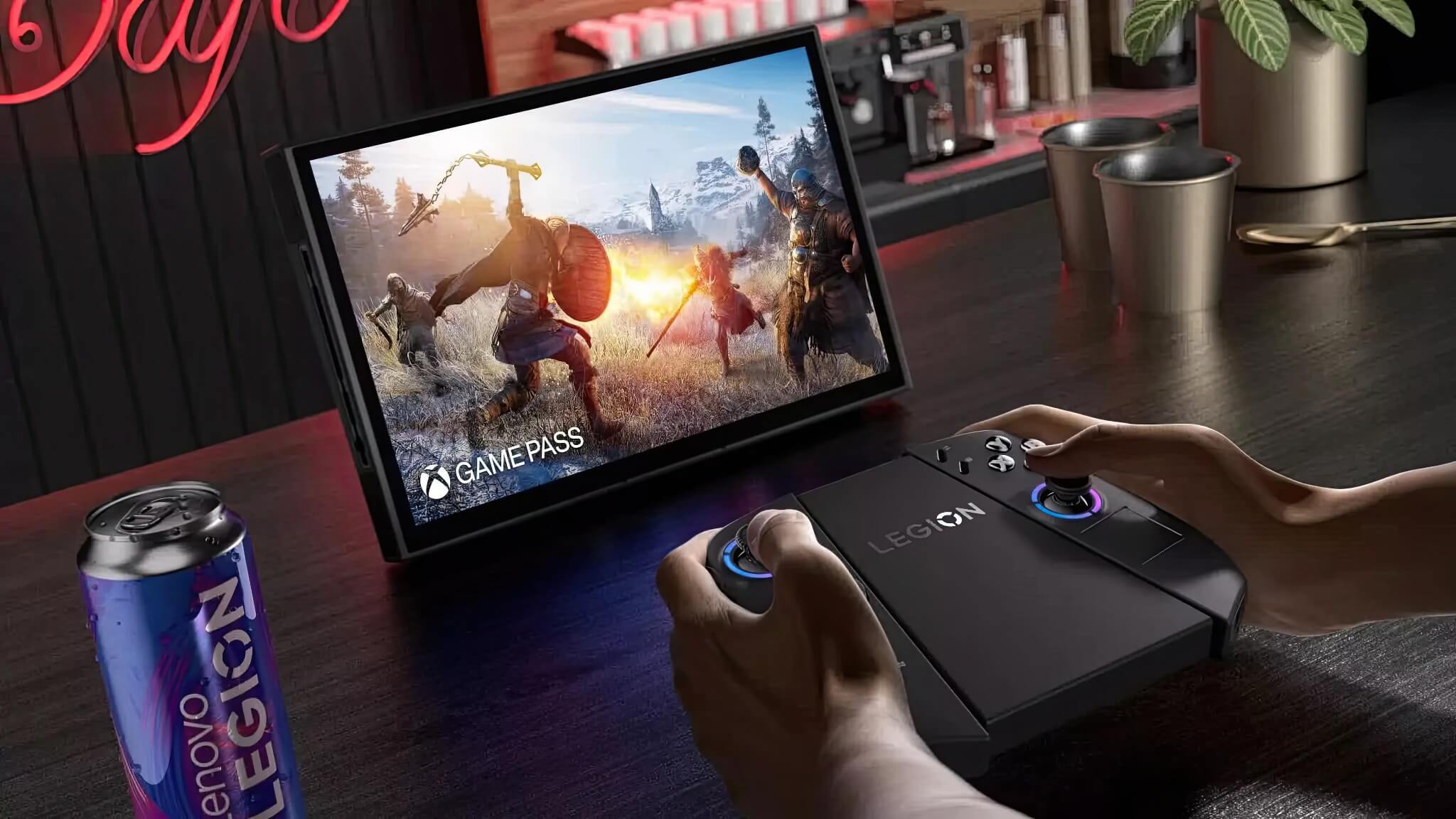
Regarding the visual experience, the device is expected to retain the 8.8-inch PureSight OLED display with Full HD (1920 × 1200) resolution. Other impressive technical specs, such as the 144Hz refresh rate, 500 nits peak brightness, and DCI-P3 color gamut coverage, will remain unchanged, ensuring the sharpest and most vivid imagery for blockbuster titles.
Furthermore, battery life is secured as Lenovo continues to equip this version with a 74Wh battery, along with 65W fast charging via USB-C. For peripheral connectivity, the device will provide two high-speed USB4 Type-C ports, a 3.5mm headphone jack, and a microSD card slot supporting expansion up to 2TB, meeting the growing demands of game storage.
The absolute advantage of SteamOS on handheld devices
The core difference and "secret weapon" of this upcoming version lies in the software. Although Microsoft constantly strives to promote Windows 11 as the optimal platform for gamers, actual usage on small-screen devices has revealed several shortcomings. The operating system is still criticized for being heavy, containing bloatware, and occasionally experiencing unwanted lag, especially when compared to the smoothness of SteamOS.
Valve's platform has proven its superiority thanks to a controller-first interface, providing an intuitive and easy-to-use experience. SteamOS not only integrates deeply with the Steam game library but also offers a highly convenient "suspend and resume" feature, allowing gamers to jump back into the action in an instant. Additionally, thanks to more efficient hardware resource management, SteamOS promises to deliver better battery life for the Legion Go 2.
Another undeniable advantage is game loading speed. SteamOS allows for direct booting into games, bypassing unnecessary Windows background tasks, thereby providing a much more seamless and smooth gaming experience. It is expected that this special Legion Go 2 version will feature a mysterious "Nebula Nocturne" color scheme and include a dedicated physical shortcut key to quickly launch Steam.
While the official retail price remains a mystery, tech industry rumors suggest that this SteamOS version could be 15% to 20% cheaper than the current Windows version. This is certainly an attractive price point to attract gamers looking for a premium handheld gaming device.
In a separate development, Microsoft is not sitting idle, committing to releasing major updates to optimize performance and graphics for Windows 11, aiming for a more "console-like" experience. These improvements are expected to reach Asus ROG Ally users first, but Lenovo has also confirmed it will update its current Legion lineup next year. The dual race between Windows and SteamOS in the handheld PC market promises to bring many benefits to consumers.