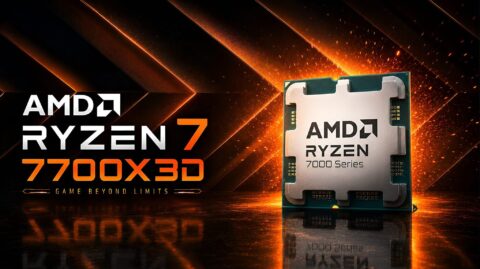

Over the past few years, AMD chips have become almost a gold standard, powering most handheld gaming PC lines on the market. However, this dominance is facing a potential challenge as Intel officially commits to challenging its rival in this high-potential segment by 2026. Intel argues that its power-efficient CPU cores and superior machine-learning capabilities will provide a competitive edge, while AMD counters by pointing to its extensive experience in designing console-grade hardware.
The Controversy Over Ancient Silicon and Energy Efficiency
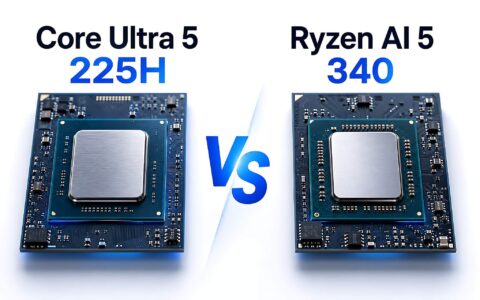
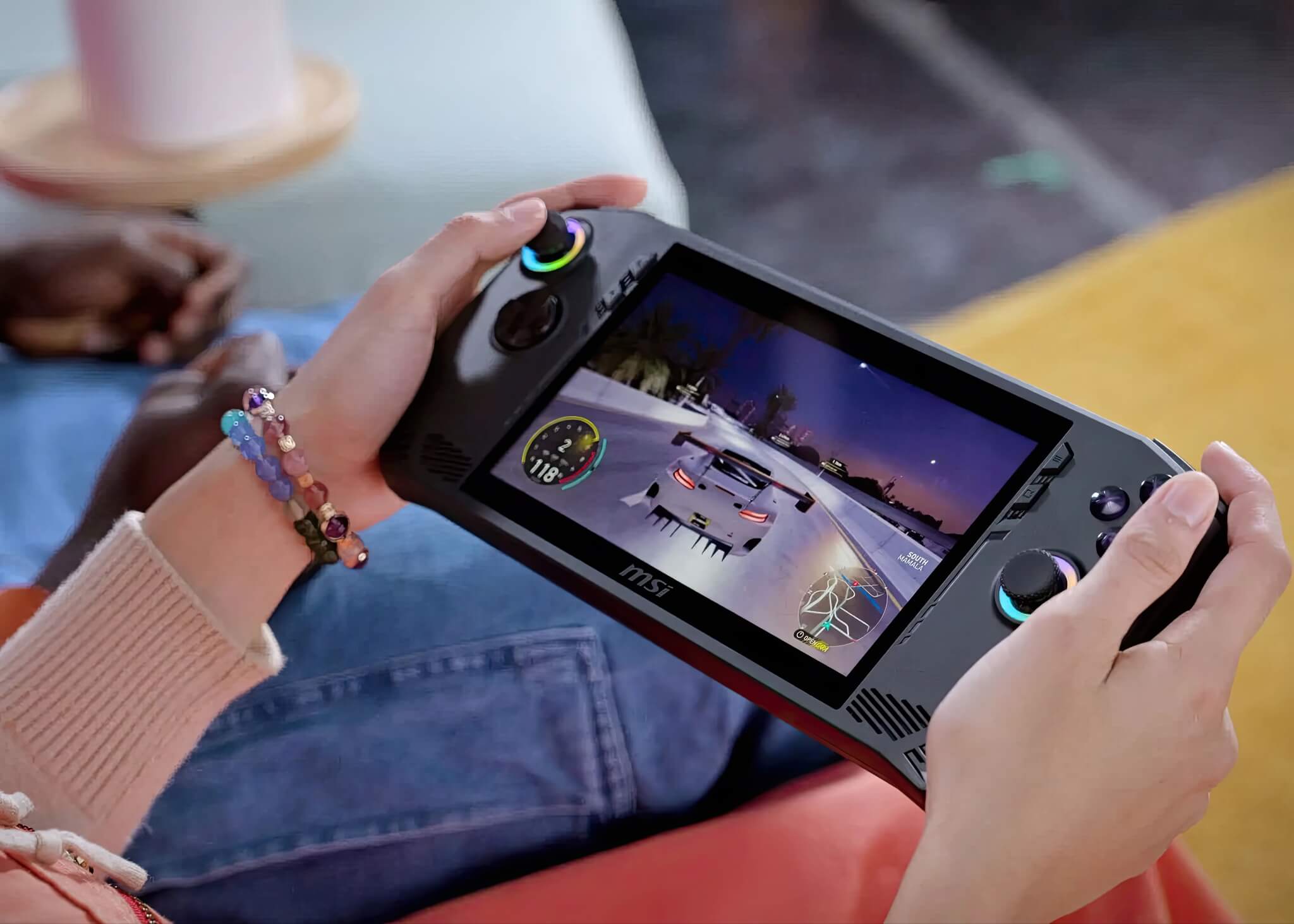
A war of words erupted at this week's CES event when Nish Neelalojanan, an Intel executive, bluntly accused AMD of using "ancient silicon" in their integrated processing units (APUs) for handheld gaming consoles. He also argued that as Intel introduces handheld APUs based on the Panther Lake processor with Xe3 Arc integrated graphics, the company's power-efficient E-cores will offer superior battery life compared to AMD's Ryzen AI 300 and 400 series processors.
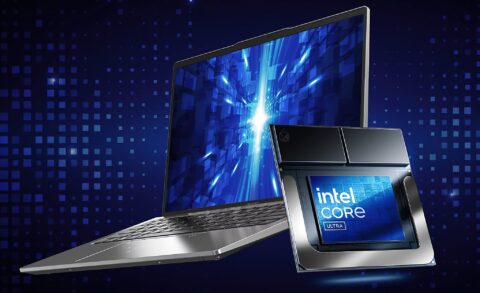
These sharp remarks came immediately after Intel announced the Core Ultra Series 3 laptop processors, codenamed Panther Lake. Intel claims that Panther Lake's top-tier integrated GPU, the Arc B390 model, significantly outperforms AMD's Radeon 890M in thin-and-light laptop models. However, it remains unclear to the tech community whether the Arc B390-or a variant of it-can achieve similar benefits when operating within the typical low wattage levels of handheld devices.
The phrase "ancient silicon" used by Mr. Neelalojanan likely refers to the RDNA 3.5 architecture of the Radeon 890M, which lacks dedicated machine-learning acceleration. Machine learning is the primary reason why upscaling technologies like Intel's XeSS and Nvidia's DLSS often produce cleaner and sharper images compared to AMD's FSR 3. Although AMD's latest RDNA 4 architecture has added machine-learning support to enable the improved FSR 4 feature, that technology is currently limited to the company's latest desktop GPUs.
Console Chip Experience and the Future of APU Lines
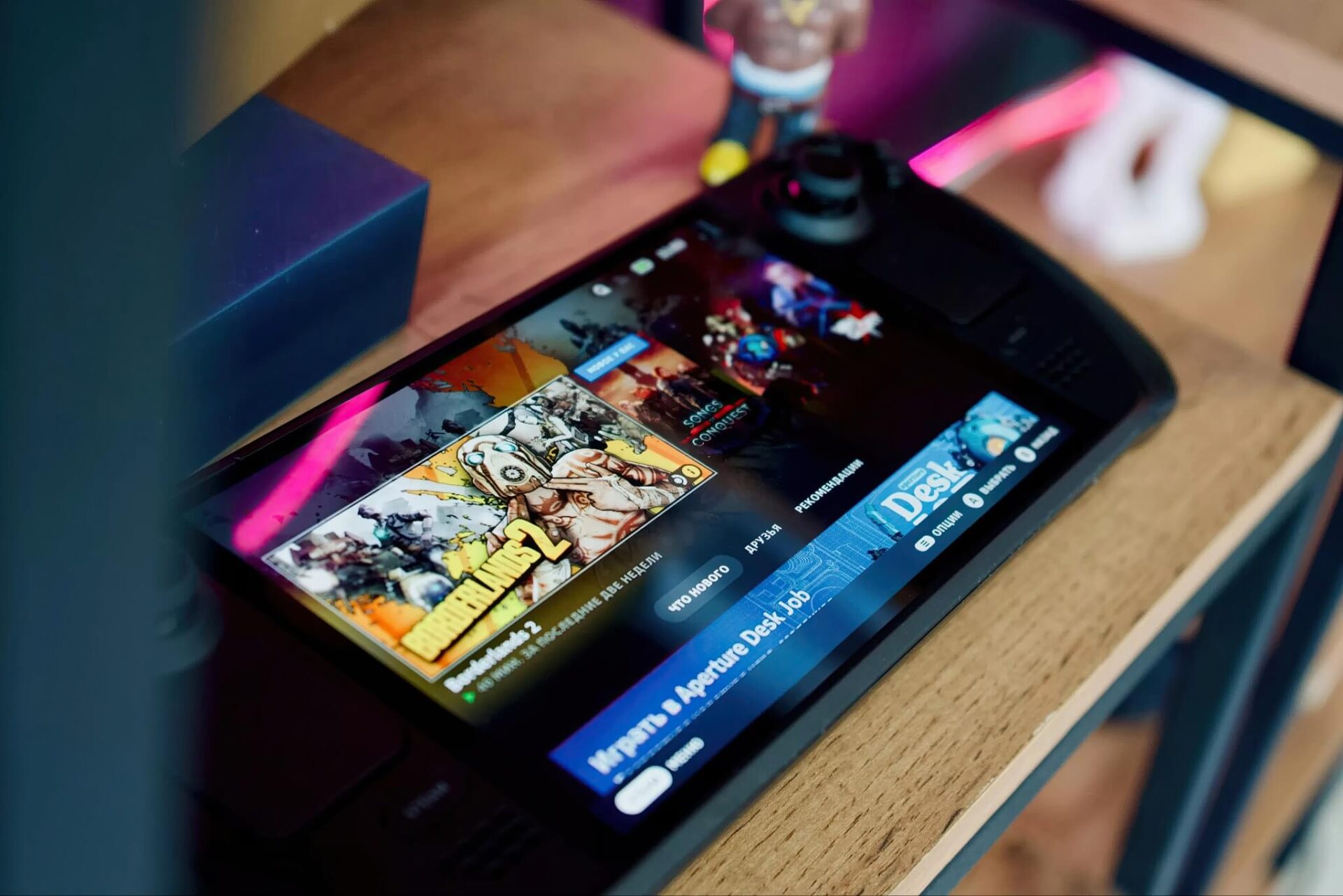
Responding to the comments from Intel, Rahul Tikoo of AMD told PC World magazine that the efficiency of Intel's E-cores actually comes at the expense of performance. He quipped: "A Core i7 chip performs no differently than a Core i3." Mr. Tikoo also emphasized AMD's extensive experience in designing chips with optimizations specifically for gaming. Throughout the last two generations of PlayStation and three generations of Xbox, AMD has provided custom APUs designed specifically for heavy gaming tasks. The company is also the designer of the APU for Valve's Steam Deck, and other recent handheld gaming consoles also rely on AMD's Z1 and Z2 processors, which are optimized for high gaming performance.
While Intel has yet to reveal how the Panther Lake APUs for handheld devices will differ from the CES demos, Mr. Tikoo predicts that the competitor might simply be repurposing netbook components without any special tuning for computational performance or I/O connectivity. Intel has also not confirmed rumors that they are developing a product to rival AMD's Strix Halo, a high-end iGPU with performance approaching console levels.
Looking further into the future, the $5 billion partnership between Intel and Nvidia could eventually create APUs that combine Core Ultra CPUs with RTX-level iGPU cores. Such chips are highly likely to compete directly with AMD's upcoming RDNA 5 architecture, promising significant improvements in machine learning, ray tracing, and path-tracing performance, opening a new era for compact gaming devices.