
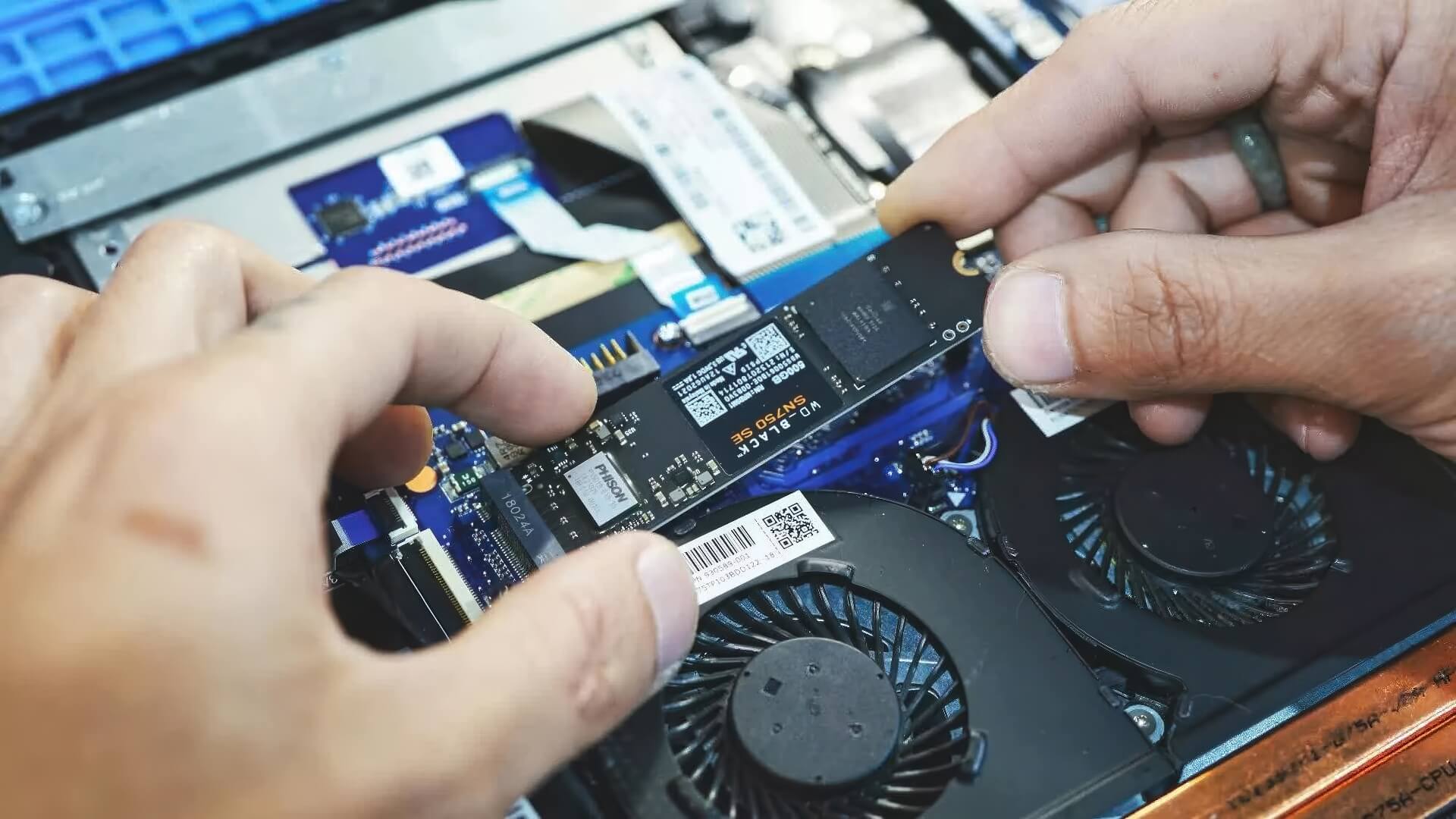
The latest Windows 11 update is suspected to be the cause of SSD and HDD disconnection issues during large data transfers. Although many users in Japan have reported drives disappearing while copying data, Phison - one of the leading SSD controller manufacturers - stated they could not reproduce this error after thorough testing.
Response from Phison and the SSD error investigation process
Immediately after Microsoft released the KB5063878 update for Windows 11 24H2 on August 12, numerous reports emerged from users in Japan stating that SSD and HDD drives became unrecognizable after performing data transfers larger than 50GB. In most cases, restarting the computer restores the drive, but the issue recurs during subsequent data copying operations. Some drives even require formatting or repartitioning to function normally.
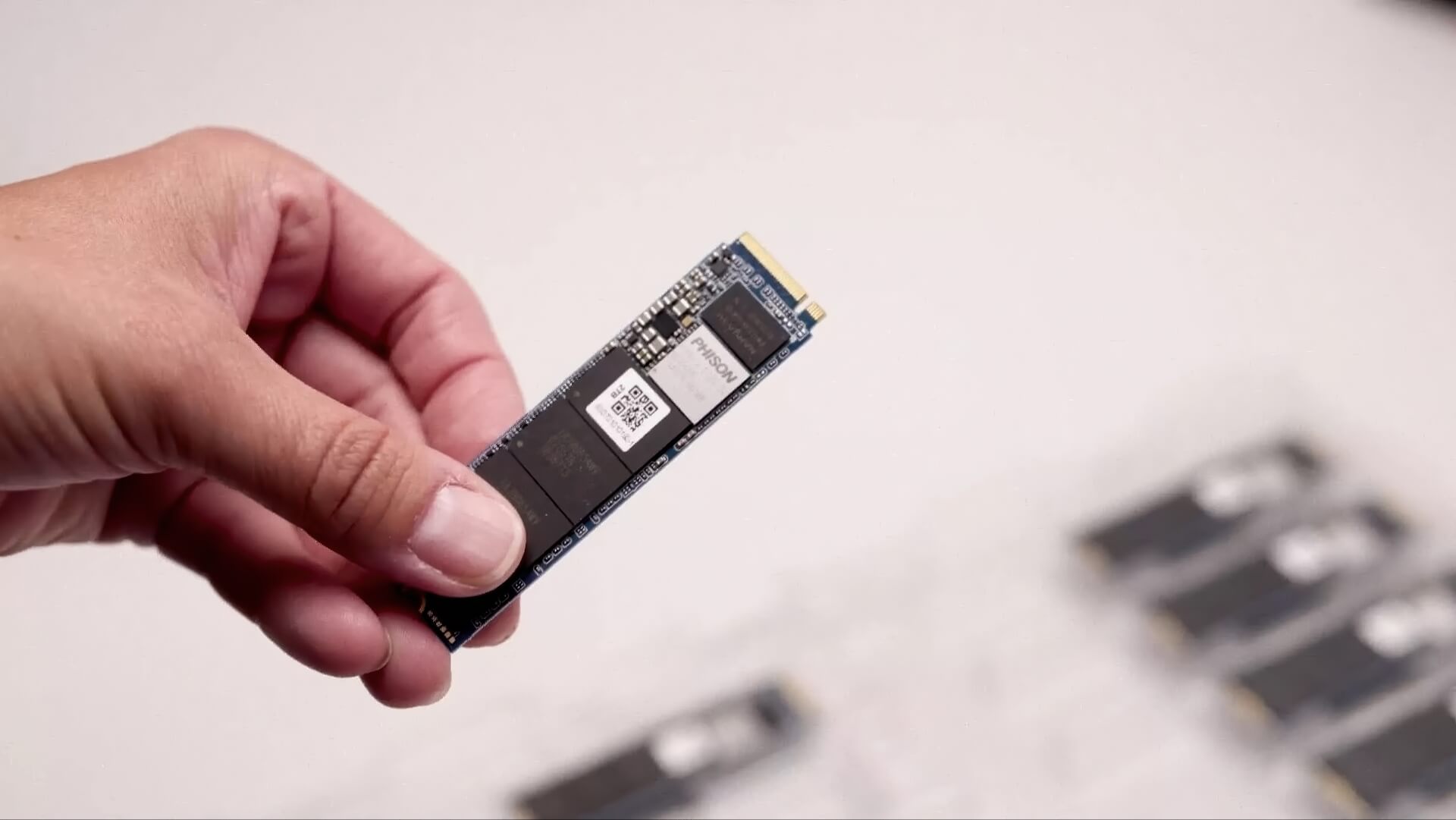
Following the wave of complaints, Phison was the first industry player to announce they are collaborating with Microsoft to investigate. However, in a report sent to Wccftech, Phison stated that after 2,200 test cycles and over 4,500 hours of performance measurement, they did not record any errors matching the description. Additionally, the company recommends that users attach heatsinks to NVMe SSDs to reduce the risk of thermal throttling, although the phenomenon is believed to be not entirely related to temperature.
Phison also refuted allegations that their SSD controllers have compatibility issues with the new update. A document circulating online claiming serious errors related to the company's drive lines was denied by Phison as fake. As of now, while the exact cause remains unidentified, Phison remains the only storage manufacturer to officially speak out regarding this incident.
Users should be cautious when updating to KB5063878
Alongside official investigation efforts, many other users, particularly from the tech community in Japan, continue to encounter similar issues after updating. The Twitter account @Necoru_cat - the first to discover the problem - is currently in direct discussions with Microsoft to clarify the cause. They also denied neglecting thermal management, further strengthening the hypothesis that the issue may lie in the software rather than the hardware.
In addition to Phison, several drive lines from Samsung, Western Digital, Seagate, Corsair, and Crucial have also been reported to experience similar errors, especially when storage usage exceeds 60% of the total drive capacity. However, these manufacturers have not yet officially announced anything regarding the situation.
While a specific conclusion has not been reached, users running Windows 11 version 24H2 should consider delaying the KB5063878 update or limiting large data transfers, especially with drives operating at high temperatures or those that are nearly full.
Operating system updates are essential for ensuring security and performance, but it is also necessary to assess practical risks, especially with patches that may affect hardware. Please follow updates from manufacturers and Microsoft for the most appropriate way to handle your system.