
NVIDIA has officially announced the DLSS 4 plugin for Unreal Engine 5.6, marking a major leap forward in AI upscaling technology for gaming and real-time graphics. This is a crucial integration that promises superior performance, sharper visuals, and smoother gameplay experiences, while simultaneously optimizing hardware resources for modern game projects.
Key New Features of DLSS 4
DLSS 4 brings numerous new technologies aimed at improving frame rates and image quality. Among them, Multi-Frame Generation allows for the creation of additional intermediate frames based on previous frames, significantly increasing frame rates without heavy GPU resource consumption. The Ray Reconstruction feature recreates realistic lighting and reflection effects, enhancing the visual experience in AAA titles.
Additionally, this plugin supports Deep Learning Anti-Aliasing (DLAA), Super Resolution, and Reflex Low Latency, which helps reduce input lag, increase image clarity, and ensure rapid response during intense action sequences.
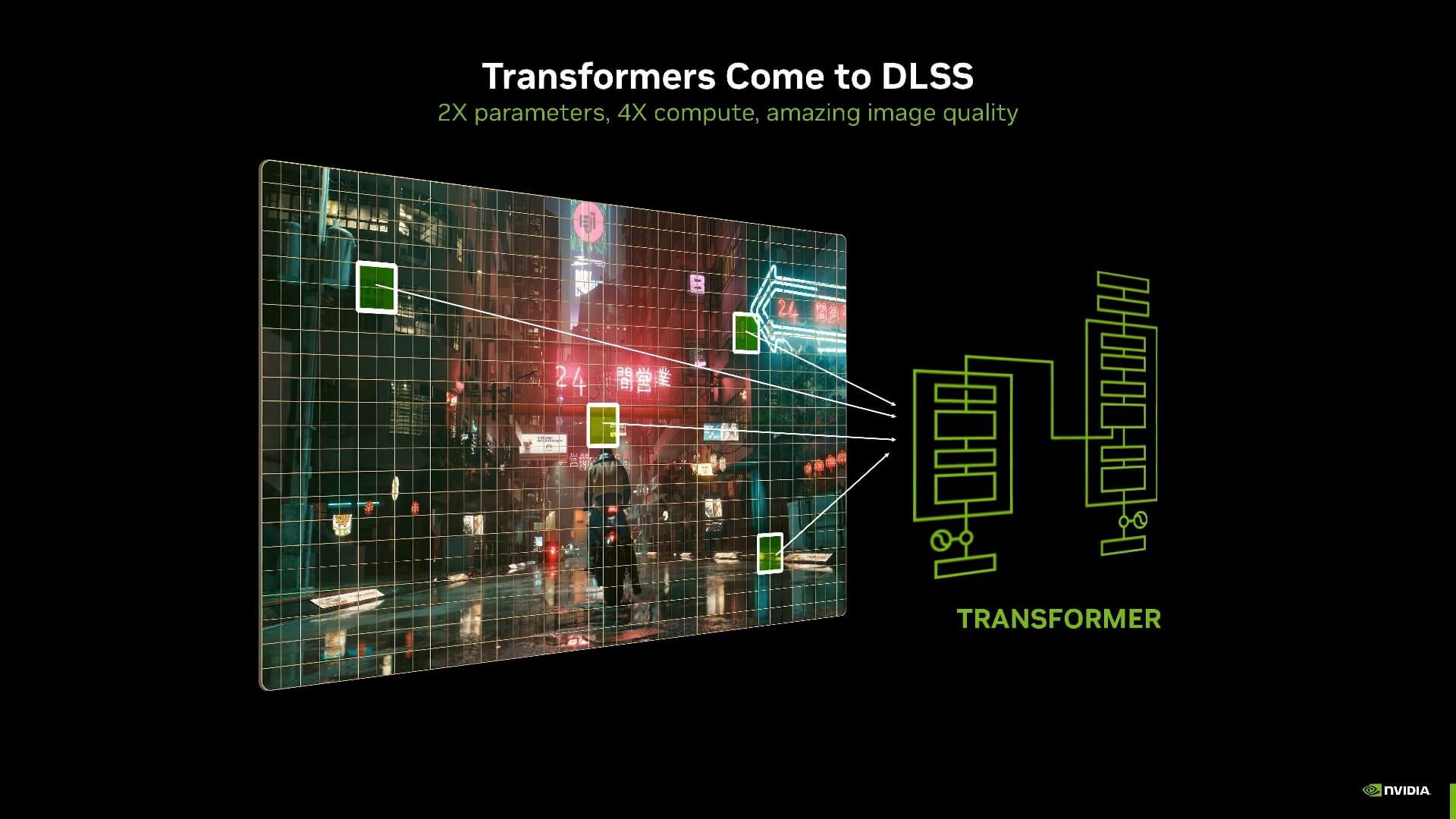
Notably, DLSS 4 utilizes the Transformer model instead of traditional CNNs, helping to reduce VRAM consumption by 15-20% while still ensuring high image quality. This allows games to run more smoothly on various hardware configurations, not just limited to high-end PC setups.
Practical Impact for Developers and Gamers
The direct integration of DLSS 4 into Unreal Engine 5.6 allows developers to easily apply this AI upscaling technology to their projects. Unreal Engine 5.6 already features improved CPU and GPU performance; when combined with DLSS 4, it will help optimize frame rates and operational efficiency while maintaining impressive visual quality.
Gamers will enjoy smoother visual experiences, lower latency, and stunning lighting and shadow effects, even when playing on older RTX series cards. However, the most advanced features of DLSS 4 will perform to their full potential on the RTX 50 Series, unlocking the technology's complete potential.
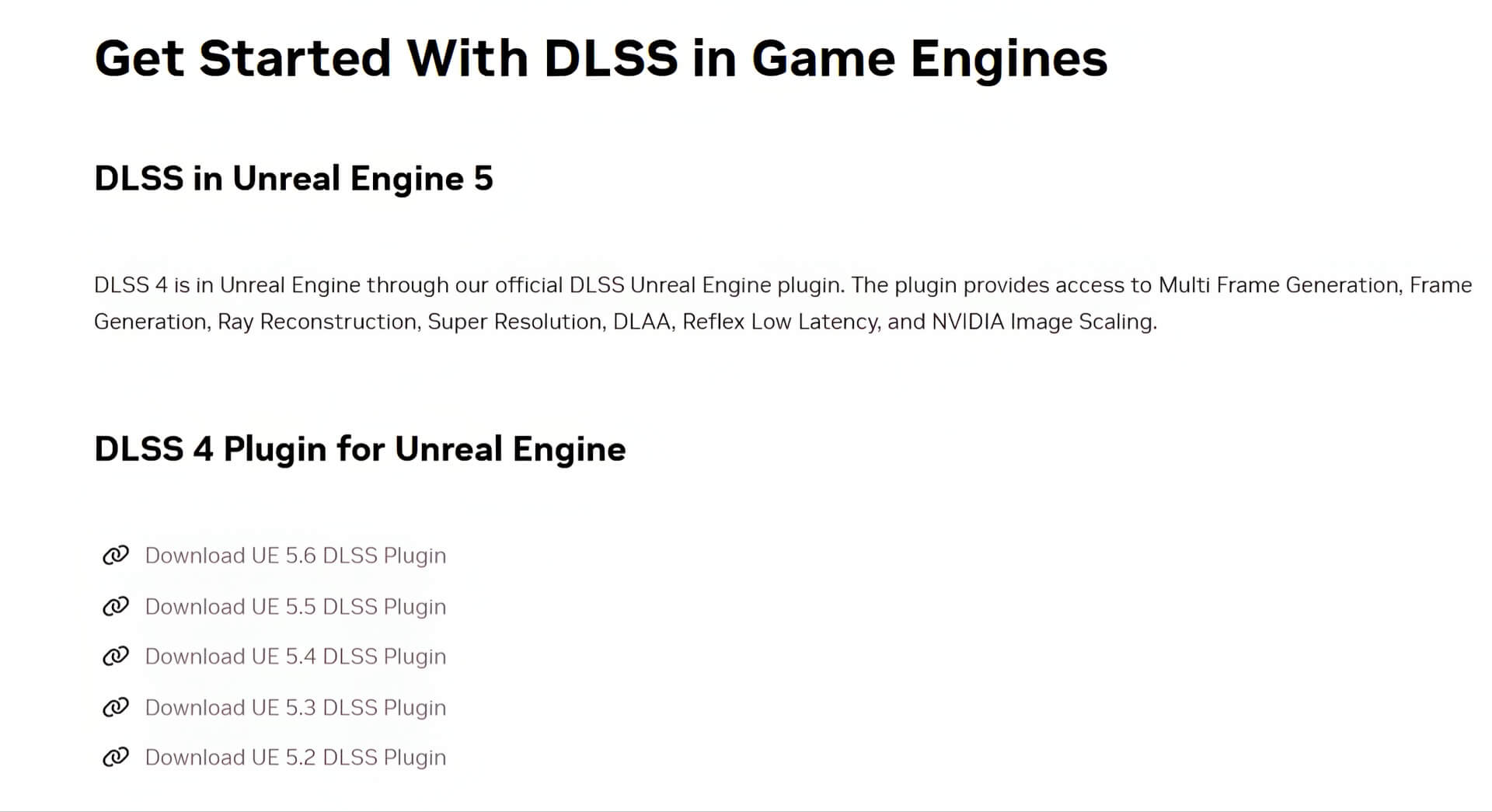
In addition to supporting new games, DLSS 4 also helps existing game projects better utilize hardware resources, reducing the pressure on the GPU and VRAM, which helps maintain stable performance during game development and operation.
Important Considerations for DLSS 4 Implementation
Although DLSS 4 offers many benefits, integrating this plugin still requires proactive intervention from developers; it cannot be automatically applied to all existing games. Furthermore, only projects running on Unreal Engine 5.6 can fully exploit the plugin's most powerful feature set.
Some older RTX series may not be able to take full advantage of DLSS 4's advanced features, and setup requires technical expertise to achieve optimal efficiency for each specific game project.
The Trend of Game Graphics Development with AI Upscaling
DLSS 4 and Unreal Engine 5.6 demonstrate the massive potential of AI upscaling in changing how studios develop and optimize games. The use of the Transformer model in image processing not only saves resources but also enhances image quality, opening new directions for game projects and real-time graphics simulations.
NVIDIA's support for technologies like Multi-Frame Generation, Ray Reconstruction, and Reflex Low Latency within the DLSS 4 plugin will continue to drive the gaming industry toward an AI-driven direction, allowing developers to focus more on content creation and reducing the burden of complex technical optimization.
With the combination of DLSS 4 and Unreal Engine 5.6, the future of the gaming industry will witness significant breakthroughs, where high-quality games can run smoothly on a wider range of hardware systems while delivering an exceptional visual experience to players.