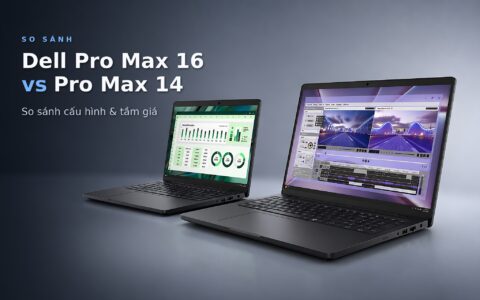

The situation of surging memory prices is becoming a difficult puzzle for tech giants in the global supply chain. According to the latest forecast from investment bank UBS, this wave of memory price volatility will have more pronounced negative impacts on Dell's PC and server business segments in the coming period. While the demand for Artificial Intelligence (AI) is driving the use of high-end memory chips, supply shortages are simultaneously pushing component costs to unprecedented levels. This poses a major challenge to the company's ability to maintain profit margins in the upcoming quarters.
Pressure from the AI component craze and memory price volatility for Dell
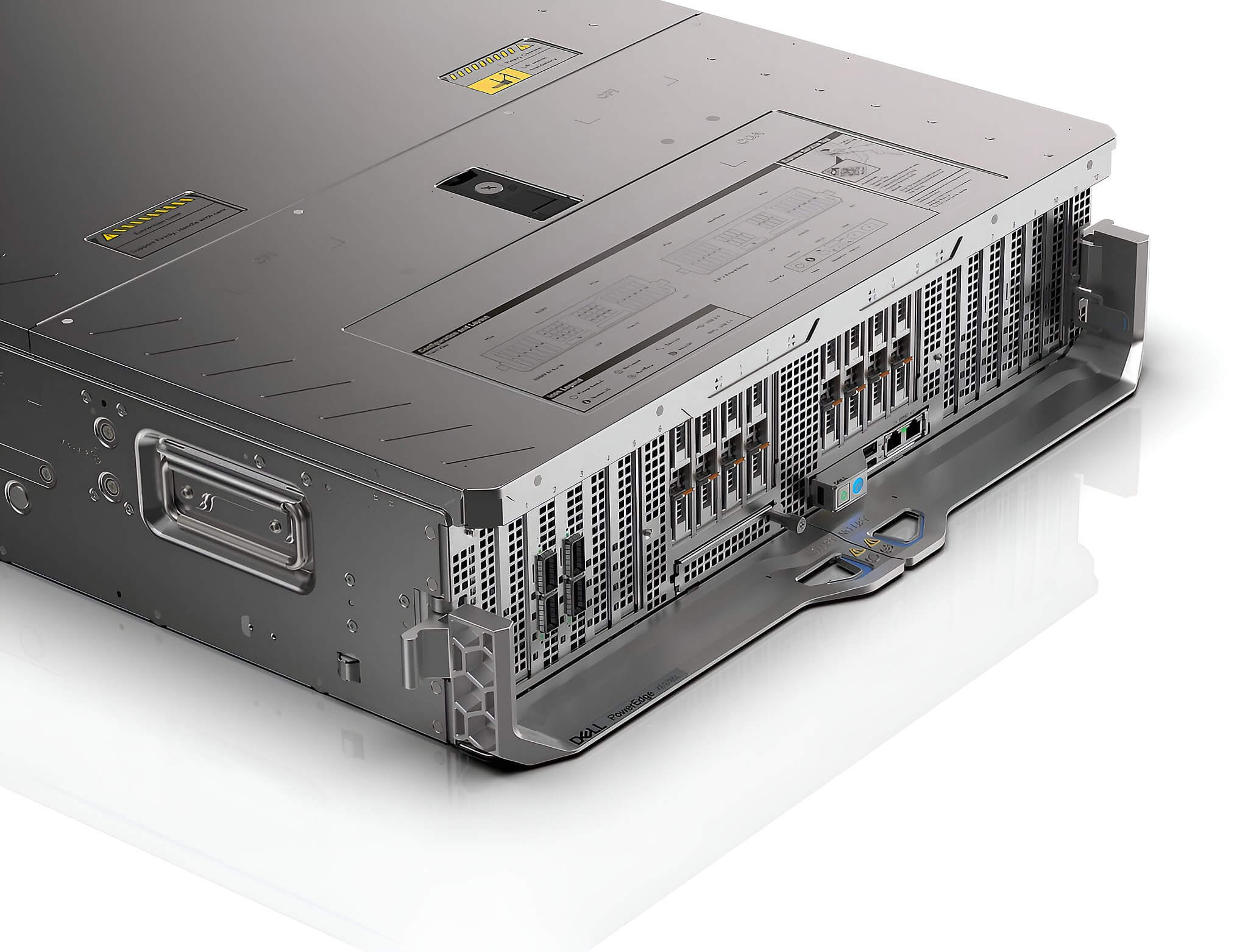
The server market is witnessing an extremely powerful shift as specialized AI server lines explode. In fact, Dell's first-quarter financial report showed telling figures, with revenue growth in the AI server segment reaching 757%. This rapid growth helped the company's total annual revenue reach 88%, an extremely impressive result amidst a volatile economic landscape. However, behind the glow of revenue lies fierce competition to secure critical component supplies as memory prices trend upward.
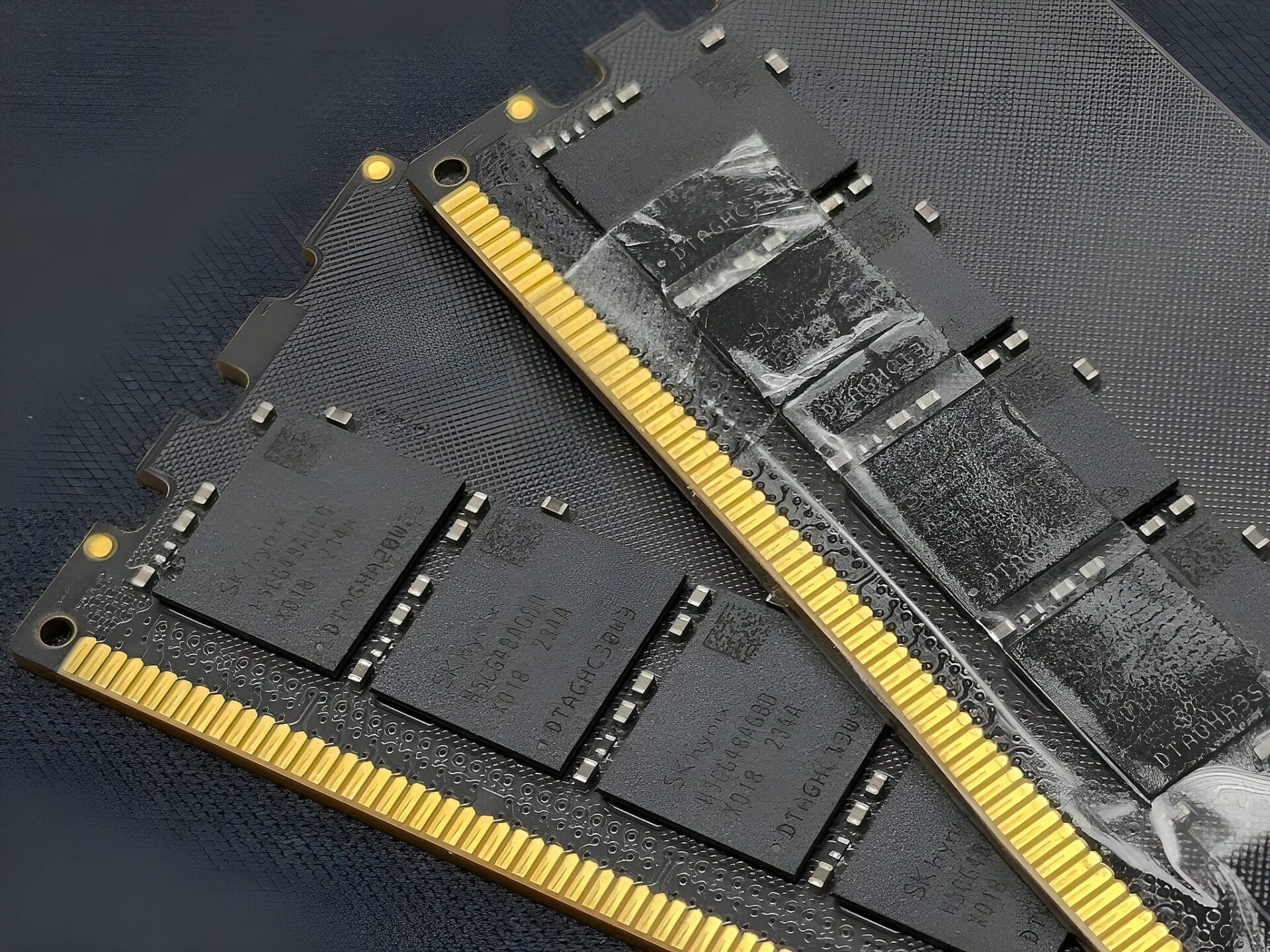
The main cause of this instability stems from the extremely high demand for High Bandwidth Memory (HBM) and DRAM used for AI GPUs. According to AI memory, supply tightening has caused memory prices in some regions to skyrocket by up to 414%. For personal computer (PC) manufacturers, facing memory prices and component costs 110% higher than before is a significant financial burden as they strive to secure inventory for the market.
Forecast for memory price volatility and the future of the server market
Although Dell has demonstrated skillful supply chain management to adapt to the recent increases in memory prices as well as DRAM and NAND, the upcoming difficulties will not be easy. Experts from UBS suggest that the impact of escalating component costs will become more severe in the second half of 2026 and last until the first quarter of 2027. This could reduce the company's gross profit margins due to the combination of changing revenue structures and rising memory prices.
| Key Indicators | Volatility/Growth Level |
| Dell's AI server revenue | Up 757% |
| Total annual revenue | Up 88% |
| Memory prices in some regions | Up to 414% |
| Memory costs for PC manufacturers | Up 110% |
Facing this reality, Dell's Chief Operating Officer, Jeff Clarke, has also spoken candidly about the component inflation situation. He noted that the increase in memory prices and components such as NAND, DRAM, and even CPUs is occurring at an unprecedented pace in the current inflationary environment. Rapidly adjusting product selling prices to offset component costs is an inevitable step the company is taking to protect its business operations.
Looking to the future, although pressure from rising memory prices may cool down after the first quarter of 2027, a scenario of a highly volatile server and PC market remains unavoidable. Users and businesses need to prepare for the possibility that investment costs in technological infrastructure may no longer be as manageable as before. This is a precursor to a period of intense cost restructuring across the entire global computer hardware industry.