
Breaking VRAM limits with new AI memory technology
Currently, running advanced AI models often requires high-end GPU lines with extremely large memory capacities, creating a hardware detail barrier such as expensive VRAM for many businesses. When the graphics card's memory is full, the system encounters a bottleneck, causing processing speeds to drop sharply or even making it impossible to run the model. However, the AI memory solution from TRUSTA has found a smarter way by expanding the data storage space beyond the scope of the GPU.
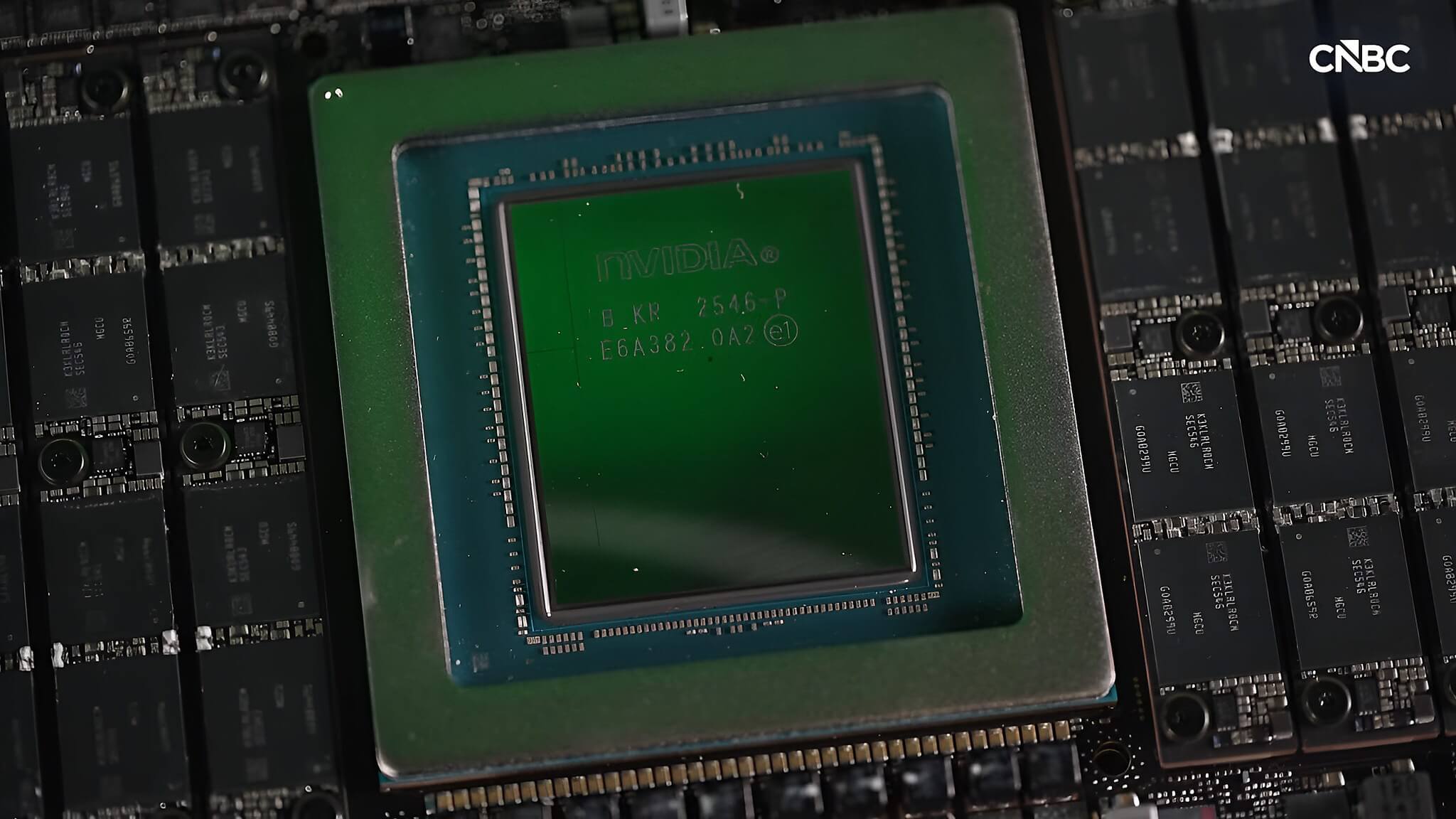
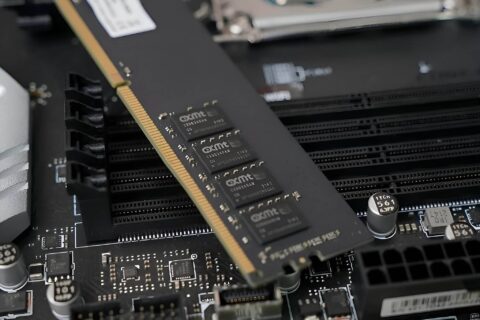
Instead of relying solely on expensive VRAM, the AI Scaler Toolkit flexibly combines GPU memory, computer RAM (DRAM), and high-speed SSDs. Imagine if the GPU is a small desk, then this AI memory solution is like adding extra drawers around it to hold more documents, helping the processing flow remain uninterrupted. Thanks to the ability to intelligently allocate data across different storage layers, the system can maintain stable performance even when AI models are extremely large in size.
Save over 50% in deployment costs thanks to optimized AI memory
The most notable aspect of this AI memory technology is its ability to optimize hardware investment budgets. According to real-world tests, using this new memory solution can help reduce AI deployment costs by over 50% in inference and model fine-tuning scenarios. Instead of having to purchase many additional expensive GPU clusters just to gain more memory capacity, businesses can leverage the existing storage components within their own server systems. This makes building on-premises AI infrastructure much more feasible and easier to budget.
| Supported Components | Role in the System |
| GPU VRAM | Handles primary computational tasks and hot data. |
| System DRAM | Expands the space for intermediate model data. |
| High-speed SSD | Stores large datasets, reducing pressure on the main memory. |
In addition to the economic benefits, flexibility and compatibility are also major pluses, as this AI memory solution is designed as an open-source platform and is not dependent on specific hardware configurations. Popular language models today, such as Llama, Qwen, or DeepSeek, can all run smoothly on this system. Furthermore, its seamless integration with AI Agentic workflows helps businesses easily build complex automation systems without worrying about excessive hardware upgrades, thanks to the flexible AI memory mechanism.