
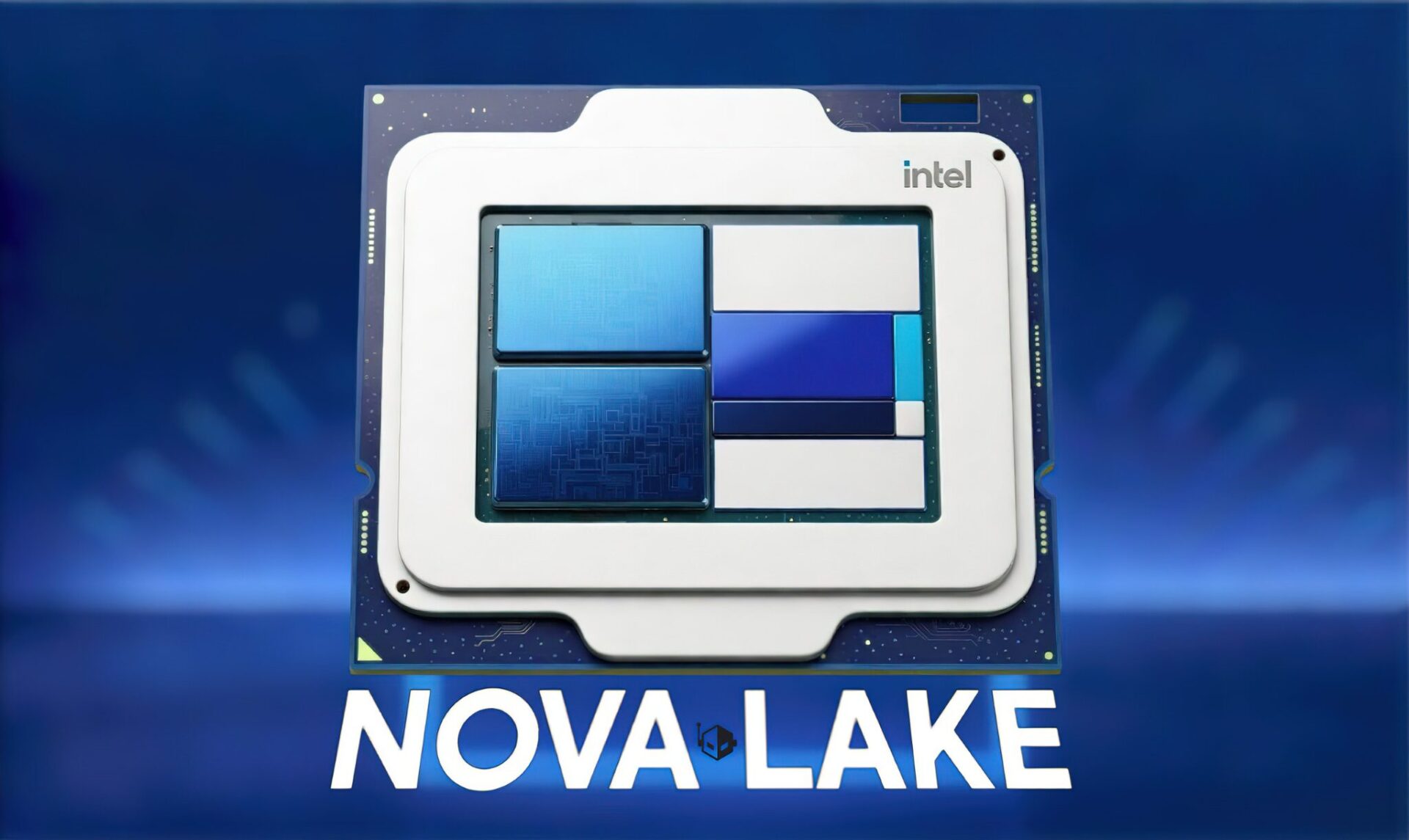
Intel Nova Lake-S is becoming a highly notable name for high-end desktop users, especially as recent leaks suggest this chip lineup could push core counts up to 44. This figure is significantly higher than the current mainstream gaming CPU standards and indicates that Intel has no intention of slowing down in the high-performance segment. What's more, Nova Lake-S isn't just aiming for pure benchmarks; it hints at a new tier of configurations for machines that simultaneously handle heavy gaming, streaming, video editing, or multitasking. If this information follows the roadmap, desktop gaming in the next few years could step into a completely different realm of power.
The 44-core configuration shows Intel wants to push desktop gaming toward workstation levels
According to recent leaks, Intel Nova Lake-S could appear with a configuration of up to 44 cores, consisting of 16 performance cores, 32 efficiency cores, and 4 low-power cores for background tasks. This cluster division shows that Intel is continuing its direction of optimizing workloads by layers rather than just increasing clock speeds or P-core counts. For average users, 44 cores might sound a bit extravagant. However, for the group building high-end rigs to play AAA games while simultaneously running Discord, OBS, browsers, local AI tools, or short video editing in the background, this model is quite logical. It helps the system maintain smoothness when handling multiple simultaneous tasks, instead of dumping the entire load onto a few performance cores as before.
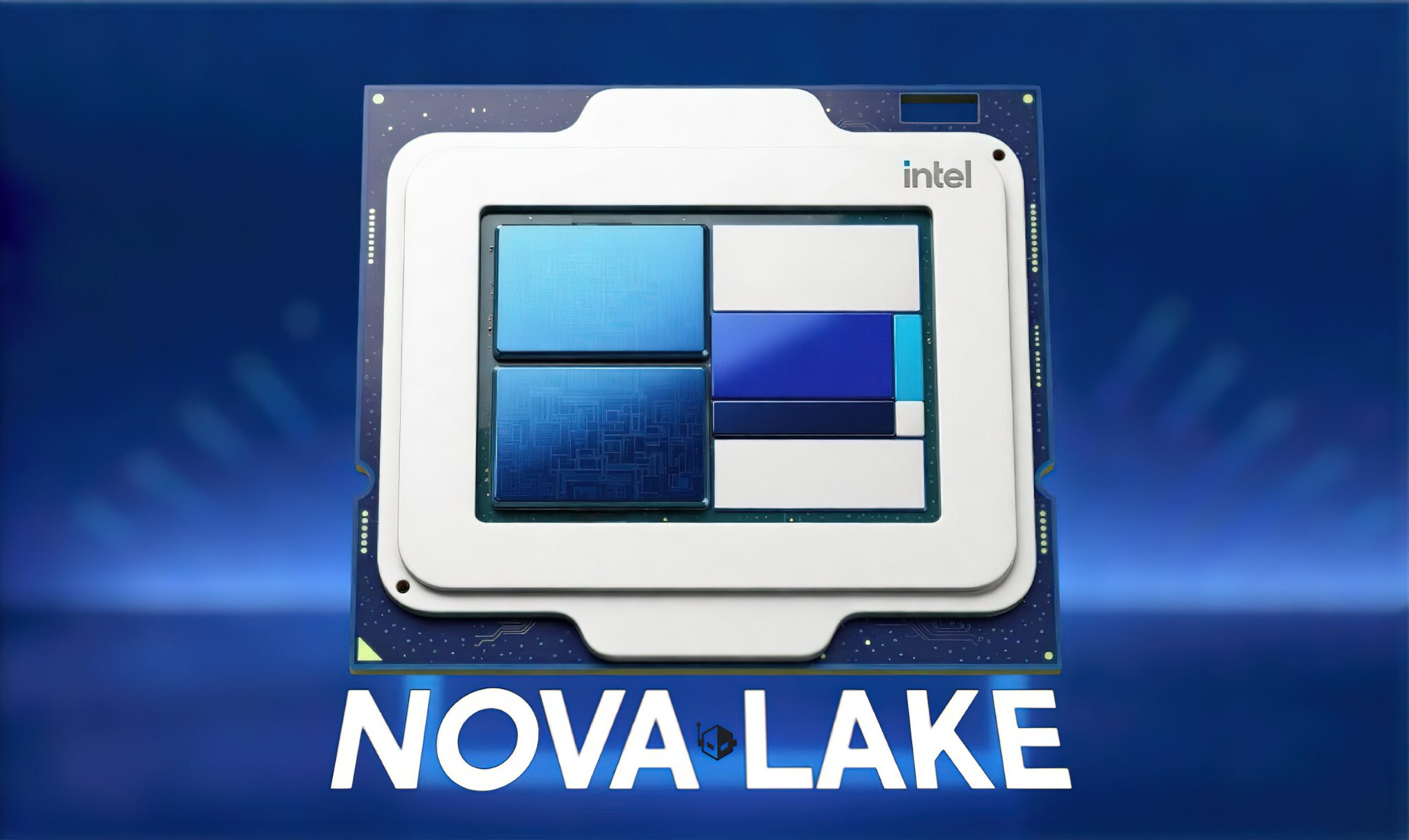
Compared to current desktop generations, the direction of Nova Lake-S is also noteworthy because it could pull desktop gaming closer to the boundary of personal workstations. Pure gamers might not necessarily need 44 cores, but hybrid users-working by day, gaming by night-will be the group that benefits most. As games increasingly demand more CPU power in object-dense scenes, and content creation software continues to thrive on high thread counts, a properly multi-cored CPU will provide more real-world value than just impressive specs. Of course, the challenges of power consumption, temperature, and motherboard pricing remain big questions. But at least from a strategic standpoint, Intel is signaling that upcoming flagship desktops will no longer be just for gaming, but will serve as high-performance multitasking platforms.
How Nova Lake-S could impact high-end PC builders
What users need to care about is not just the core count, but where Nova Lake-S will be positioned in reality. If Intel can maintain high clock speeds, sufficient cache, and intelligent thread scheduling, this chip lineup could become an attractive choice for machines optimized for both gaming and heavy workloads. Users considering upgrading from older platforms like Raptor Lake or Alder Lake will want to look at three factors: FPS increases in eSports games, stability during streaming or recording, and processing time for tasks like rendering, video compression, or light AI models. This is what will ultimately decide whether Nova Lake-S is a true leap forward or just a showcase of specifications.
Another point is that the upcoming high-end desktop gaming race may no longer revolve solely around the graphics card. The CPU is returning to the center stage in multi-purpose machines, especially as users increasingly desire a single configuration that can do everything, rather than separating gaming and work machines. If Intel can finalize a reasonable price point and the new platform motherboards do not see massive cost hikes, Nova Lake-S will easily find its way onto the wishlist of high-end PC builders during the next upgrade cycle.
Source: Wccftech.