

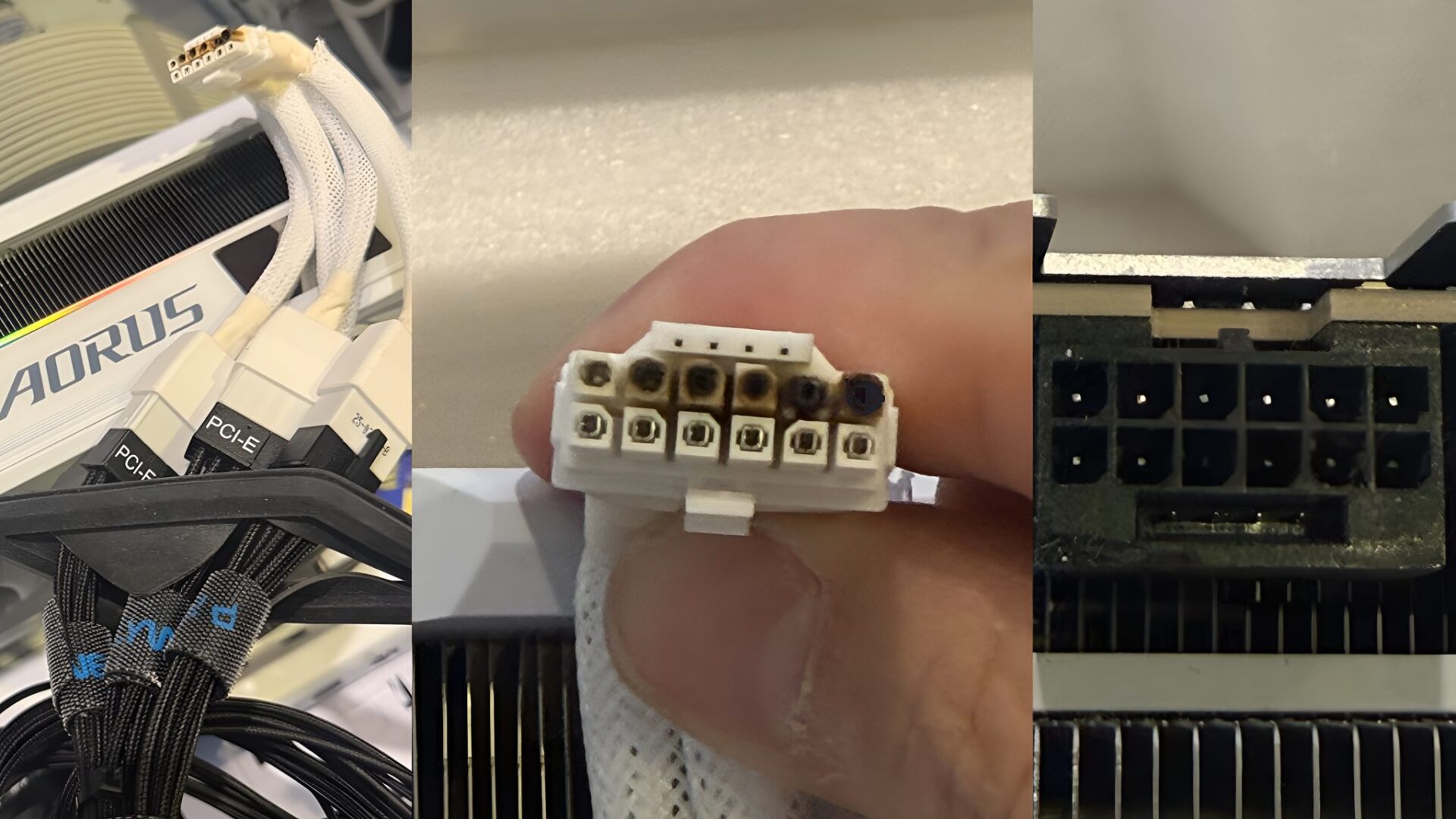
NVIDIA's 16-pin GPU warranty issue is a significant topic for anyone following the high-end graphics card market. Data from Warranty Week shows that NVIDIA's GPU warranty costs surged from $81 million in 2024 to $894 million in 2025, nearly an 11-fold increase in just one year. This figure does not imply that every failure stems from the 16-pin connector, but it indicates that after-sales pressure for high-power GPU groups has increased rapidly. For those building high-end PCs or considering workstations with discrete GPUs, this is a signal to look closely before making a purchase decision.
Why have NVIDIA's warranty costs increased sharply since the 16-pin GPU era?
According to analysis from Warranty Week, NVIDIA spent $894 million on GPU warranties in 2025, whereas from 2022 to 2024, the figure hovered around $100 million per year. In Q4 2025 alone, it reached $511 million. The quarterly warranty claim rate also rose from 0.17% in Q1 2025 to 0.90% in Q4 2025. AMD also increased its warranty spending, but the growth was significantly lower, rising from $110 million in 2024 to $238 million in 2025.

This spike coincides with the widespread adoption of 16-pin power connectors in high-end GeForce models. The RTX 4090 was the first series to record numerous connector melting cases starting in late 2022, followed by similar reports for the RTX 5090 and RTX 5080 in 2025. While there is no definitive evidence that the connector is the sole cause, the timing makes the hardware factor difficult to ignore.
Additionally, there is the issue of repair costs. Rising DRAM prices, higher graphics card prices, and tariff pressures in 2025 have made each warranty case more expensive than before. This explains why NVIDIA's expenditures may be increasing faster than the actual rate of reported defects.
What should PC builders and high-end GPU buyers understand from these numbers?
The most important thing is not to view this as a general warning for all NVIDIA GPUs. This data reflects that as card power consumption increases, seemingly small details-such as power cables, connectors, case clearance, and operating temperatures-can all impact long-term durability. This is also why solutions like ROG Equalizer have emerged to mitigate risks directly at the power delivery stage.
| Key Point | Data | Meaning for Buyers |
|---|---|---|
| NVIDIA Warranty Cost | $81 million to $894 million | After-sales for high-end GPUs is becoming significantly more expensive |
| Q4/2025 | $511 million | Failure pressure and repair costs spike at the end of the cycle |
| 16-pin Connector | Continuous reports of connector melting | Ensure cables are fully seated; avoid sharp bends near the connector |
| Component Costs | DRAM and cards are both more expensive | Each repair or card replacement will be more costly |
If you are building a PC with an RTX 5080, RTX 5090, or a heavy-duty graphics workstation, you should carefully check three things: whether the cables are fully plugged in, whether the cable ends are bent sharply right at the connector, and whether your power supply meets the ATX 3.1 or PCIe 5.1 standard. These are basic steps, but they directly affect system stability during long sessions of 4K gaming, rendering, or local AI processing.
The market is also reacting by increasing investment in overall card safety, from connectors to cooling. The Thermal Grizzly Deltamate article shows that high-end users are willing to spend more to reduce heat and alleviate pressure on the GPU during long workloads.
For laptops or workstations using discrete GPUs, the 16-pin connector risk does not manifest in the same way as desktops. However, the trend of surging NVIDIA 16-pin GPU warranty costs serves as a reminder to buyers that high-end graphics hardware is becoming increasingly expensive to repair and replace. When choosing a machine, in addition to the CPU and GPU, you should carefully review the warranty policy, processing times, and component replacement availability.