
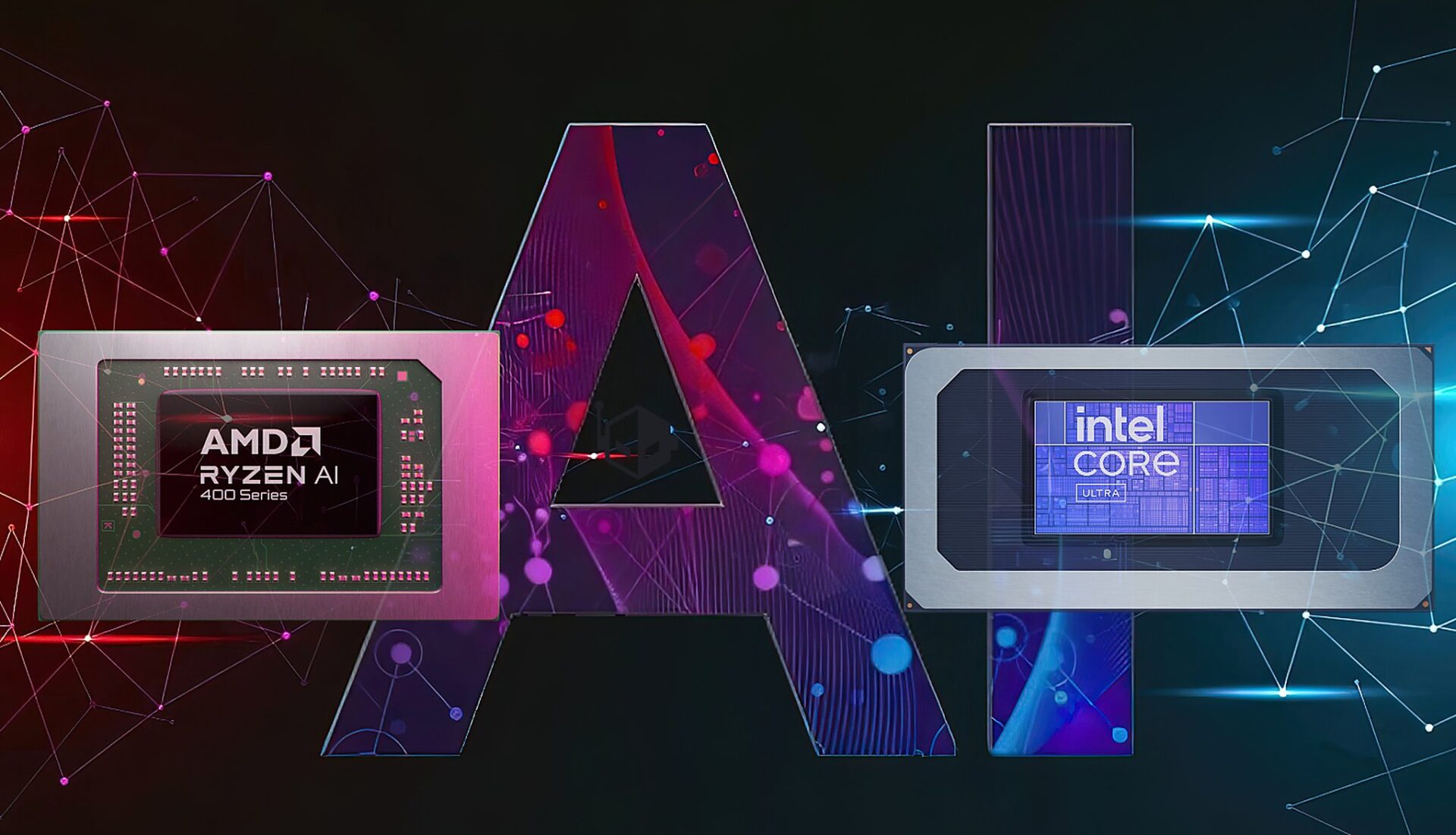
The 15% increase in AMD and Intel CPU prices is a significant warning for those planning to buy a laptop or build a PC in the coming months. The concern lies not with a single chip model, but with the fact that the entire market's CPU supply is being tightened as demand for AI servers continues to consume manufacturing capacity. Before the Intel 18A process can produce a large enough volume of chips, component costs may rise for both Intel and AMD systems. For buyers, this means actual retail prices could increase even before new configurations become widely available.
Why is the Intel 18A shortage driving up global CPU prices?
According to a report from WCCFTech, the global CPU market is facing dual pressure: a constrained chip supply while manufacturers must prioritize capacity for the AI and server sectors, where profit margins are higher than consumer PCs.

A key factor making this story more significant is that Intel 18A is considered a vital link for new customer chip lines, especially Panther Lake and Wildcat Lake. On the Intel 18A introduction page, Intel describes it as the flagship process for the next generation of chips, but what buyers care more about is whether actual output will be sufficient to cool down the shortage situation.
As new chips are not released in sufficient quantities, manufacturers and partners will have to rely on older stock while simultaneously bearing additional costs from memory and platform components. WCCFTech cites information suggesting that CPU prices for both AMD and Intel have nudged up by approximately 10-15% in recent listings. Therefore, the 15% increase in AMD and Intel CPU prices is no longer just an issue for one brand, but a chain reaction resulting from supply constraints and the pressure to maintain stock across various segments.
What should laptop and desktop buyers do in the face of rising prices?
For those waiting to upgrade gaming rigs, personal workstations, or high-performance laptops, the most visible impact is that retail prices may rise before supply stabilizes. Models using new CPUs often see the sharpest price hikes in the early stages, while models using older chips risk going out of stock if retailers hold inventory to wait for better profit margins.
| Factor | Actual Impact on Buyers |
|---|---|
| 10-15% CPU price increase | PC building or laptop purchase budgets may increase significantly |
| Insufficient 18A production | New chips take longer to reach mass availability; difficult to buy at standard prices |
| High demand for old chips | Desktop and laptop models with older platforms may sell out quickly |
| Memory remains expensive | Total upgrade costs increase across CPUs, RAM, and accompanying components |
If you are considering an early purchase, a safer approach is to lock in configurations that already have stable supply rather than waiting for the very first batches of new chips. In the case of those targeting high-end AMD desktops, the article on Ryzen 9 9950X3D2 also shows that even thin supply can cause listed prices to deviate significantly from manufacturer announcements.
For the laptop buyer group, the greater risk lies in the fact that device prices may rise due to both CPU and RAM costs, especially in the gaming and AI PC segments. Leaks such as the NVIDIA N1 laptop show that new models are increasingly coming with high-capacity memory configurations, meaning a price increase in just one link of the supply chain can noticeably change the total retail price.
From a pragmatic perspective, users do not necessarily need to rush into purchases out of fear of shortages, but they should also not assume that prices will soon trend downward. If Intel 18A requires more time to improve production volume while AI demand continues to consume manufacturing capacity, the 15% increase in AMD and Intel CPU prices could become a new baseline in the short term. For those buying machines in the next quarter, a reasonable priority is to monitor actual prices weekly and finalize a purchase when a suitable configuration is within an acceptable price range.